Drive-By
View from public road only
The Pike Lodge is private property. View from the public road only; do not trespass or approach the building.
- Duration:
- 15 min
 Aerial survey · USDA NAIP · public domain
Cape Girardeau Fraternity Lodge in the 1924 Marquette Schoolhouse
Cape Girardeau, MO 63701
Research updated May 2026
Age
All Ages (drive-by viewing only)
Cost
Free
Free public-road viewing only. Property is private.
Access
Wheelchair OK
Rural Cape Girardeau County roadside
Equipment
Photos OK
Est. 1924 · Marquette Schoolhouse (1924-1968) - rural Cape Girardeau County school · Pi Kappa Alpha Epsilon Iota chapter lodge from the late 1970s
The Pike Lodge building south of Cape Girardeau, Missouri was originally constructed in 1924 as the Marquette School - a rural, two-room schoolhouse described at the time by Cape Girardeau County school officials as 'the finest rural school in Cape Girardeau County.' The building served as Marquette School from 1924 to 1968, when the district was annexed to Cape Girardeau and the building's educational use ended.
The Epsilon Iota chapter of the Pi Kappa Alpha fraternity (Pike) was established in 1958 at Southeast Missouri State University, located in Cape Girardeau. In the mid-to-late 1970s the chapter acquired the former Marquette schoolhouse for use as their chapter lodge. The building became known as the Pi Kappa Alpha Memorial Lodge or, more commonly, simply the Pike Lodge, and served as a social space and weekly chapter meeting location for nearly four decades.
The lodge was listed for sale in recent years at $34,900 due to rising maintenance costs. The building's current ownership and operating status should be checked through local Cape Girardeau resources before any visit.
Sources
The Pike Lodge's haunted tradition centers on a young girl named Jessica, said in long-running Cape Girardeau lore to have died at the property in the early 20th century when the building was a one-room schoolhouse (the lore sometimes refers to a Lafayette Schoolhouse rather than Marquette, reflecting two waves of the local oral tradition).
Reports from members of the Pi Kappa Alpha chapter who occupied the building from the late 1970s onward describe figures glimpsed in upper windows, footsteps in unoccupied rooms during late hours, and a sense of a small presence on the property. The reports are consistent across multiple generations of chapter members, which is part of why the lore has remained durable.
The documentary trail for the underlying Jessica story is thin, and visitors should treat the name and the specific narrative as folklore rather than as documented history. The building's actual documented history as a 1924 rural schoolhouse and a long-running fraternity lodge is interesting on its own terms.
The Pike Lodge is private property. View from the public road only; do not trespass or approach the building.
Some links on this page may earn HauntBound a small commission when you book, at no extra cost to you. Our editorial picks are independent. Full disclosure
Every HauntBound history is researched from documented sources. We clearly separate verified historical fact from paranormal folklore.
Free Guide
11 verified stops, rated for families, mapped in order. Free.
One email to confirm, then the guide link. Unsubscribe anytime.
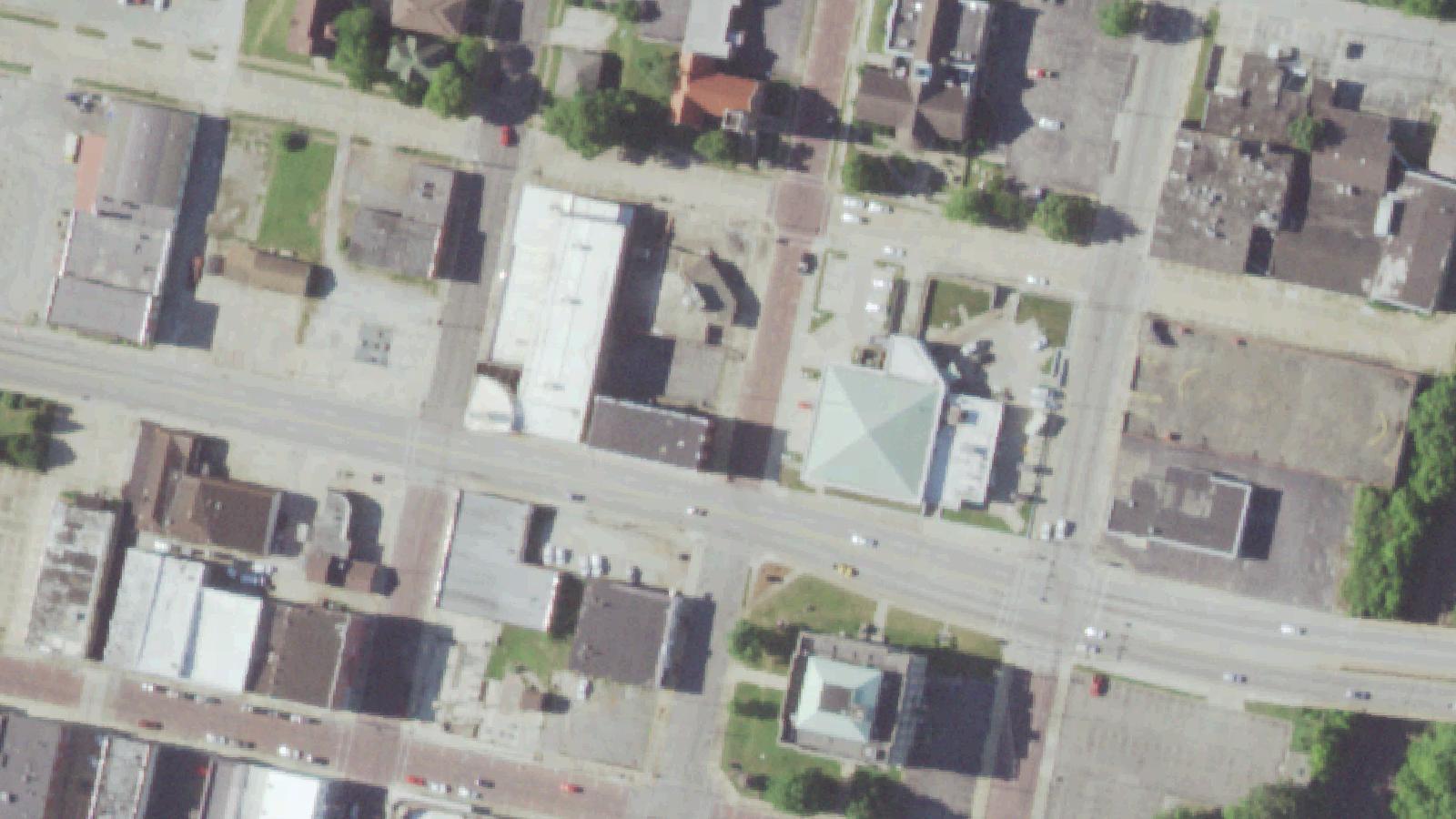 Aerial survey · USDA NAIP
Poplar Bluff, MO
The building at 401 Vine Street in downtown Poplar Bluff - known as the Beigley Building and historically as Overby's Furniture Store, now Hays the Music Store - survived the catastrophic tornado of May 9, 1927 that killed roughly 100 people. In the storm's aftermath the building reportedly served as an emergency shelter and morgue, and local accounts say a temporary courtroom operated on an upper floor while the destroyed Butler County Courthouse was rebuilt.
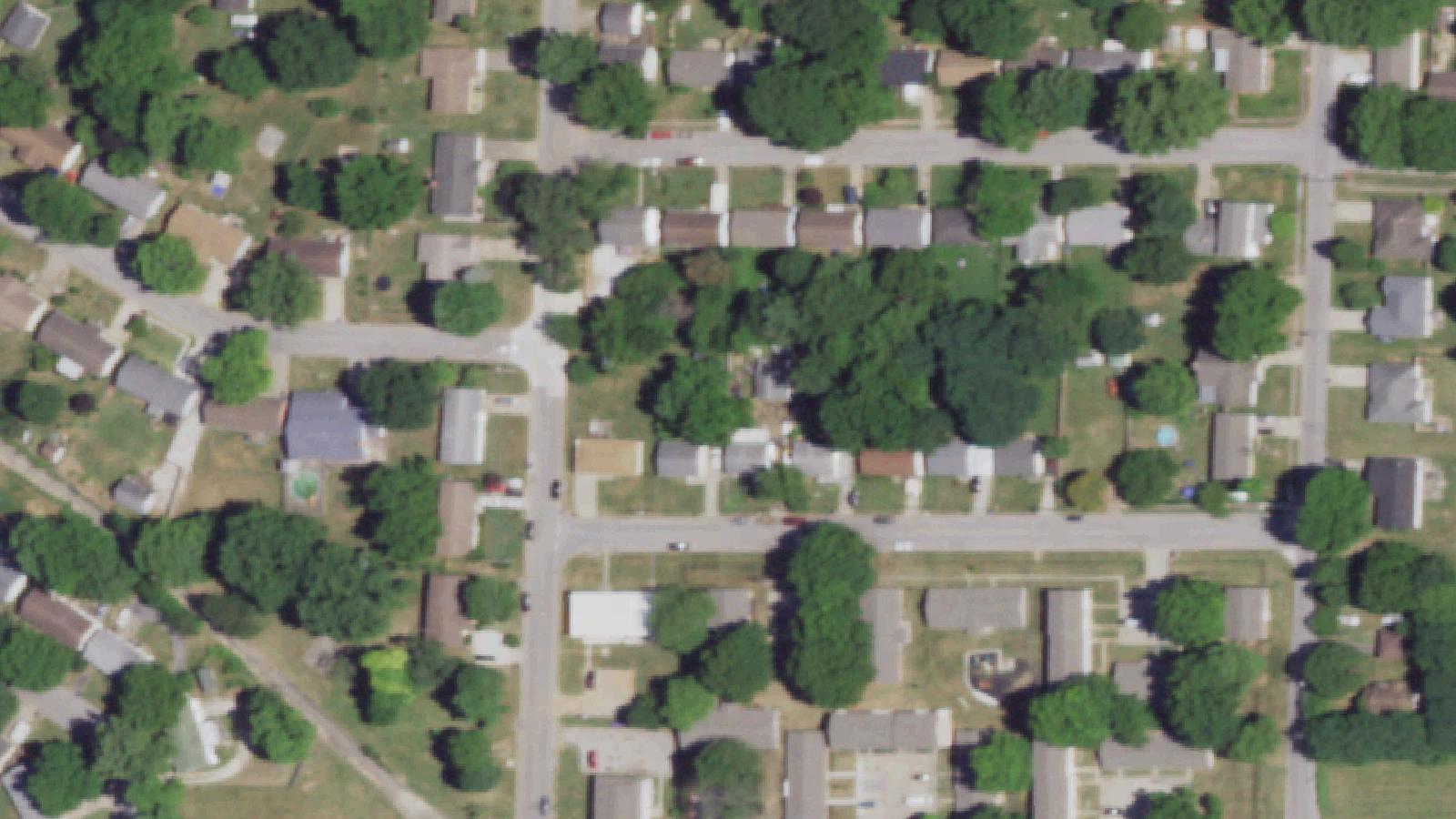 Aerial survey · USDA NAIP
Springfield, MO
The Bass Country Inn occupied a former Howard Johnson's location at 2610 N Glenstone Avenue on Springfield, Missouri's commercial north corridor. The property has changed hands and operating names several times, later trading as the Campus Inn. It has never been a marketed haunted destination, and its paranormal reputation derives from staff and guest accounts rather than promotional material.
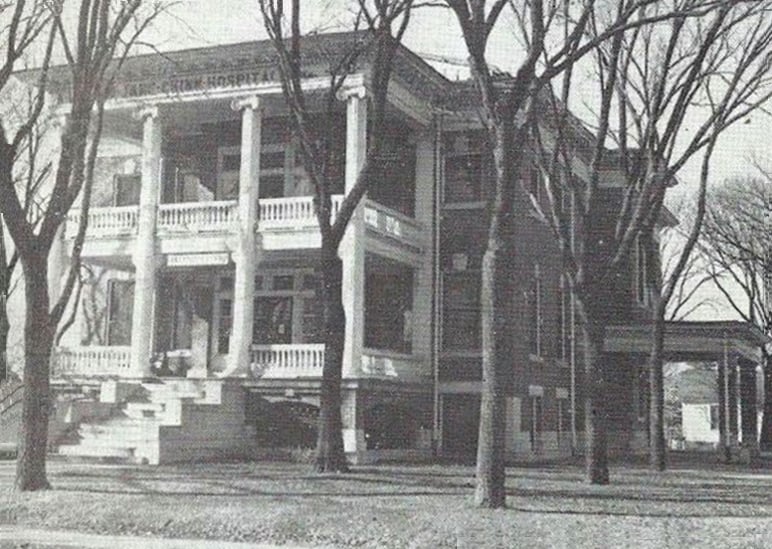
Webb City, MO
The Jane Chinn Hospital opened in March 1911 in Webb City, Missouri, funded by a $60,000 gift from Jane and Charles R. Chinn to provide medical care for the lead and zinc miners working the Tri-State district. The 33-bed hospital replaced an earlier Salvation Army hospital and operated for decades before its conversion to senior apartments.