Est. 1905 · Missouri Zinc Mining History · Civil War Strategic Site · Victorian Funerary Architecture
The movement to establish a new cemetery between Webb City and Joplin in the early 1900s reflected both cities' growth and their shared need for a dignified burial ground large enough to serve the region for generations. Eleven investors from the two communities formed the Mount Hope Cemetery Association, which was incorporated on April 12, 1905, after purchasing 77 acres from Eliza Jane Webb Bigger and her family for $11,500.
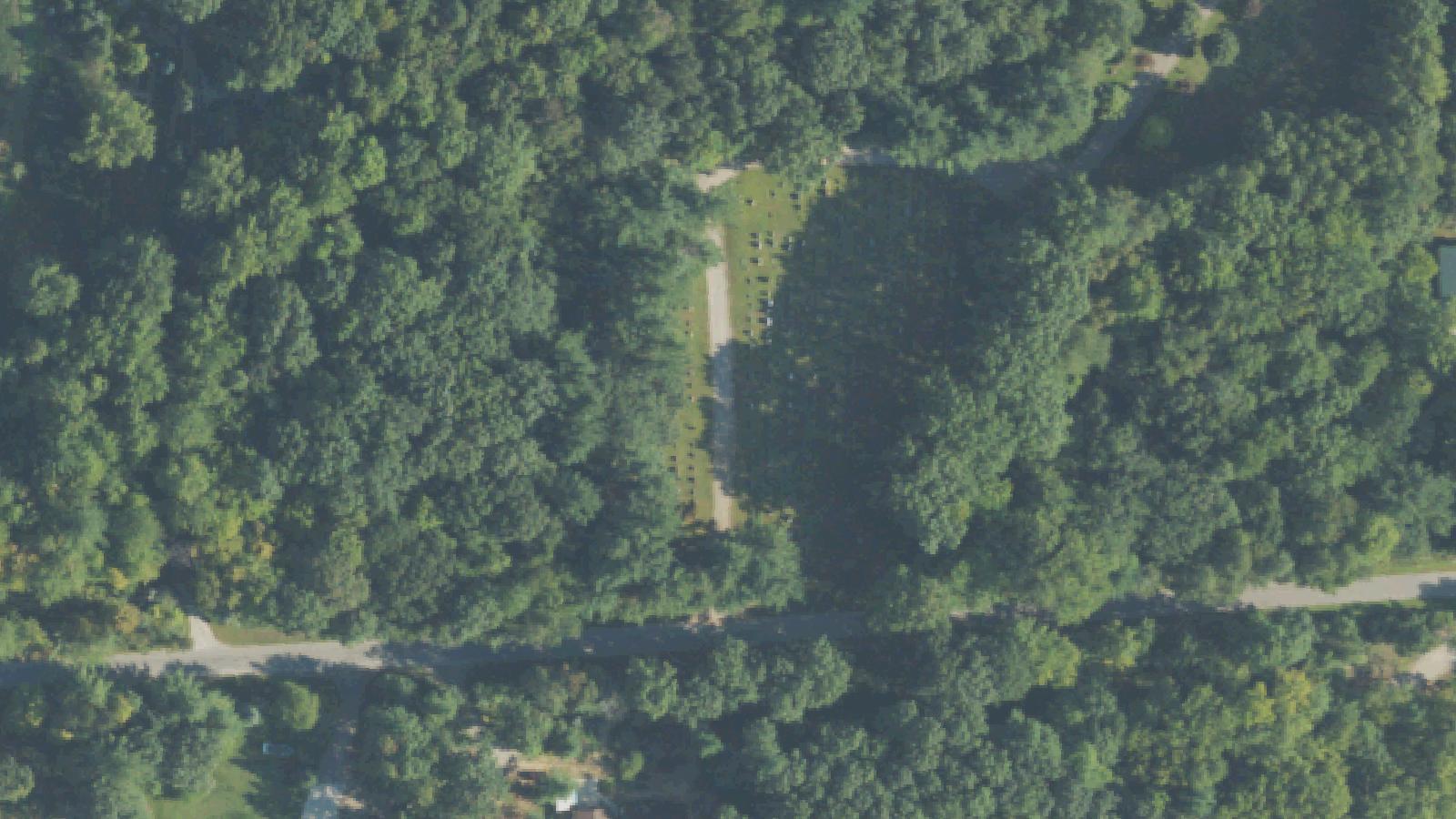
The site was chosen deliberately. The Webb City Sentinel's historical coverage of the cemetery notes that the elevated terrain — the highest point in Jasper County — was both the practical appeal (good drainage, visibility) and its prior history: during the Civil War, control of high ground was militarily significant, and this particular rise had been contested.
The cemetery developed rapidly in its first two decades. Eight of its nine notable above-ground family monuments were erected between 1905 and 1918, a period that historians of American funerary culture identify as the apex of private family mausoleum construction before the Depression curtailed such expenditures. The grounds now contain substantial holdings from Webb City and Joplin's founding and industrial families, many of them connected to the zinc and lead mining economy that made both cities prosperous.
Sources
- https://webbcity.net/high-mound-was-the-perfect-place-to-establish-mt-hope-cemetery/
- https://www.mounthope-cemetery.com/
- https://www.findagrave.com/cemetery/30325/mount-hope-cemetery
ApparitionsPhantom soundsPhantom voices
The angel at Mt. Hope Cemetery occupies a prominent position roughly 300 feet north of the cemetery's entrance road. The accounts associated with it are most commonly reported on low-light nights — overcast skies, little moonlight, conditions that produce the particular quality of darkness specific to rural Missouri.
The weeping is the first phenomenon: a sound consistent with an adult woman in distress, heard near the statue without a visible source. The accounts consistently specify this quality — adult, female, grief-inflected — rather than generic ambient sound.
The second element is interactive. Accounts hold that those who address the angel directly — asking 'What is wrong?' — receive an audible reply: 'Nothing.' This response pattern, if taken seriously, describes something more complex than a residual loop. The word 'Nothing' as an answer to a grief question is formally ambiguous: it could mean the grief has no cause, or that the cause is beyond language, or that the questioner is not meant to know.
Separately, an old man in an overcoat has been reported in the cemetery's center — appearing in one place and gone in the next moment, without transitional movement. The accounts don't connect him to the angel or the weeping sound, suggesting he is a distinct presence from a different history.