Dinner
Dining at The Main House
Enjoy American food and drinks at lunch or dinner, with patio dining and river views. Staff and regulars have accumulated decades of unexplained-activity reports, which tend to come up if you ask.
HauntBound archive · catalog record
Reported phenomena, as catalogued
+ 1 further entry on record
An 1866 duplex built to keep two families apart now keeps staff guessing who moves the silverware
500 S. Main St., St. Charles, MO 63301
Research updated June 2026
Age
All Ages
Cost
$$
Restaurant pricing; check current menu for details
Access
Limited Access
Historic building on Main Street; multi-story
Equipment
Photos OK
Est. 1866 · Built by Captain Krammer (1866) as Residential Duplex · St. Charles Historic Main Street Commercial Property · Nearly 50-Year History as Main Street Restaurant
The building at 500 S. Main was constructed in 1866 by a Captain Krammer — the title suggests a river trade or military background, common in St. Charles's commercial class of the period. The duplex design was a deliberate solution to what contemporaries recognized as a universal domestic problem: Krammer wanted his mother-in-law close enough to assist the household but separate enough that the two families maintained their own spaces. The building was divided accordingly.
After the Krammer family's tenure, the property passed through various hands before being converted to commercial use. For nearly fifty years it operated as a restaurant on St. Charles Main Street, a stretch that saw significant foot traffic from tourists and locals drawn to the historic district. The building eventually became The Main House, which continued the dining tradition.
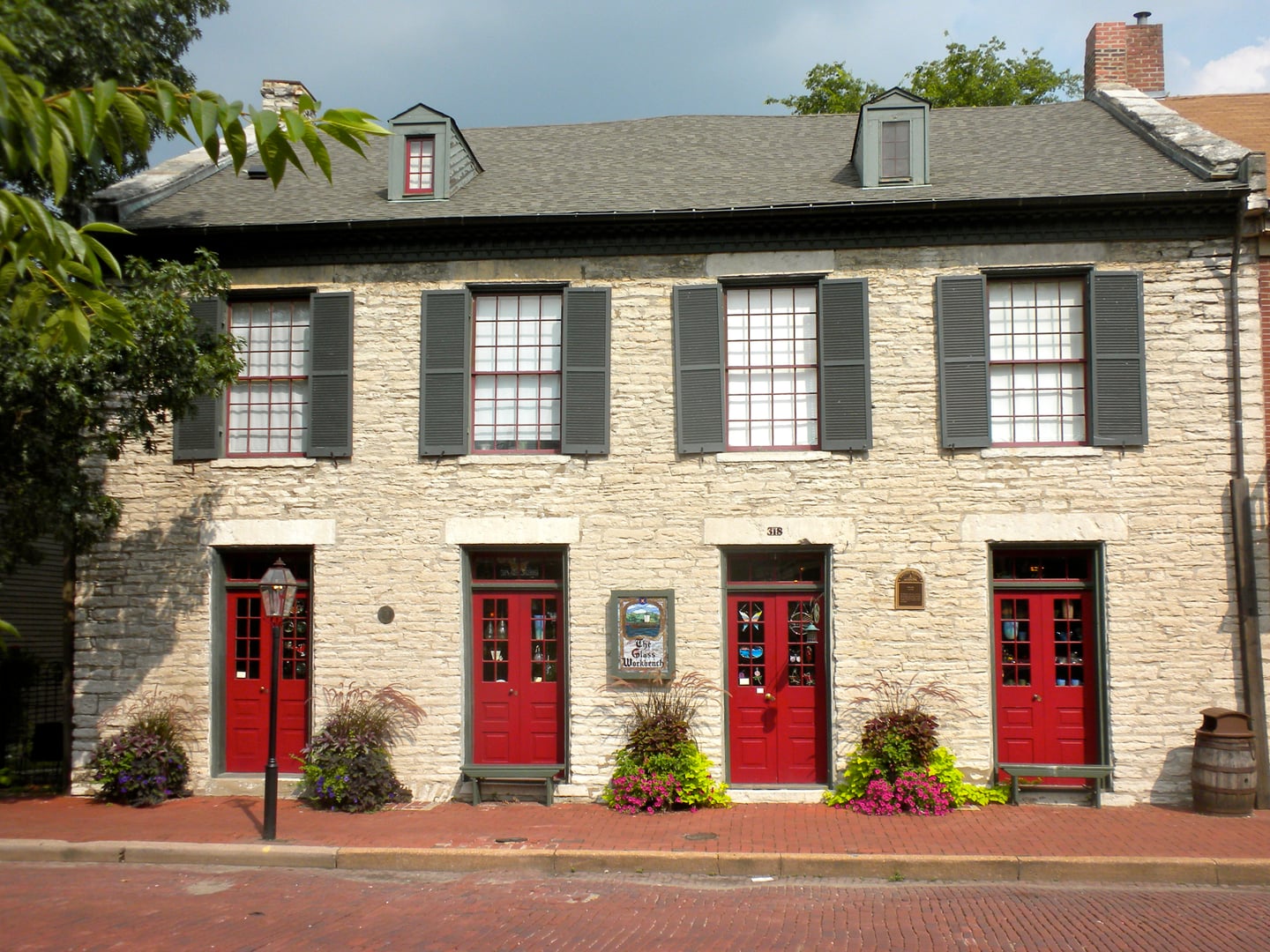
The physical structure retains characteristics of its 1866 construction — the division of the original duplex is still legible in the floor plan, and the building's age gives it the creaks, drafts, and settling sounds that contribute to its haunted reputation.
Sources
The haunting accounts at The Main House have accumulated gradually over the property's long restaurant history rather than being tied to a single dramatic event. Staff have noted objects moved overnight — items left in one position at closing found somewhere else in the morning — with enough consistency that it became a running topic among employees.
Two accounts stand out in the documentation. First, during Easter service, the names of guests reportedly appeared written on Easter eggs without any staff member having written them — an incident that was noticed publicly enough to become part of the building's lore. Second, disembodied voices have been heard in rooms confirmed to be empty, a report that crosses multiple witnesses over time.
Footsteps moving through unoccupied parts of the building are the most common passive report. Cold spots appear without obvious drafts. The building's Krammer-era duplex origin is sometimes cited as the source — either the captain or his mother-in-law is offered as the likely presence, though neither specific death nor documented trauma is tied to the address in surviving records.
Enjoy American food and drinks at lunch or dinner, with patio dining and river views. Staff and regulars have accumulated decades of unexplained-activity reports, which tend to come up if you ask.
Some links on this page may earn HauntBound a small commission when you book, at no extra cost to you. Our editorial picks are independent. Full disclosure
This St. Charles tour includes Mother-in-Law House (The Main House) on its route.
Every HauntBound history is researched from documented sources. We clearly separate verified historical fact from paranormal folklore.
Free Guide
11 verified stops, rated for families, mapped in order. Free.
One email to confirm, then the guide link. Unsubscribe anytime.
St. Charles, MO
A long-operating winery and restaurant on St. Charles's historic Main Street, the building is believed to have been occupied by a French-speaking couple around 1900 whose presence — and arguments — apparently persisted after their deaths.
Independence, MO
The Courthouse Exchange has operated as a bar and restaurant at 113 West Lexington Avenue in Independence, Missouri since 1899, making it one of the longest-continuously operating restaurants in the state. The below-street-level establishment is situated at the historic convergence of three western emigrant trails in downtown Independence — a city that served as the departure point for the Santa Fe, Oregon, and California Trails.
Marceline, MO
Mom's Restaurant at 116 North Kansas Avenue in Marceline, Missouri has operated for many years in Linn County. Marceline is best known as the childhood home of Walt Disney, who spent his early years in the town before his family moved to Kansas City. Mom's Restaurant has been a local institution associated with persistent reports of paranormal activity over an extended period.