Est. 1874 · Missouri Psychiatric History · George Glore Collection · State Mental Health Institution
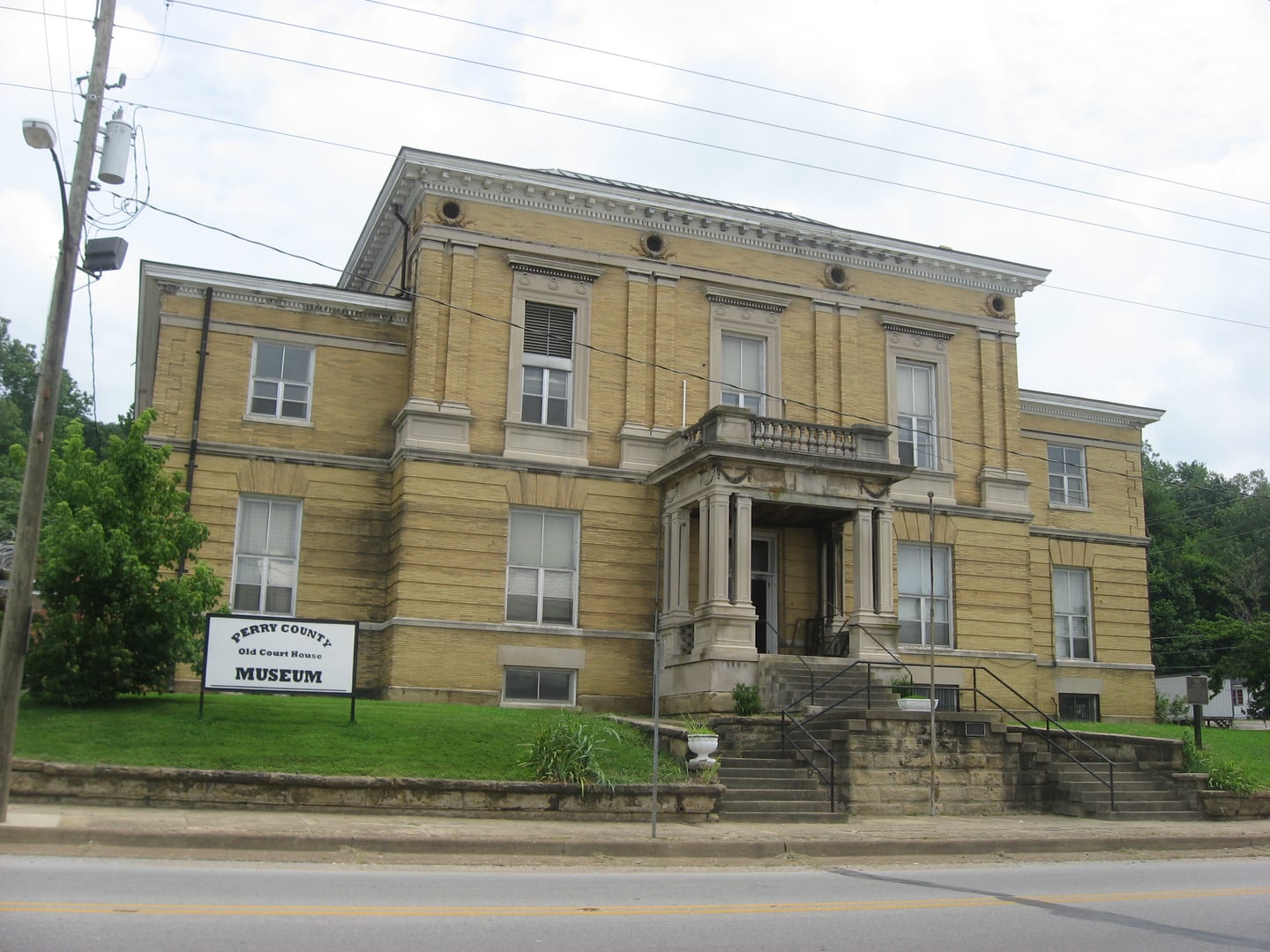
The institution that became the Glore Psychiatric Museum's host site opened in November 1874 as Missouri State Lunatic Asylum No. 2, one of several state facilities built in the post-Civil War era to address the growing demand for institutional psychiatric care. From its initial population of 250 patients, the facility expanded continuously; by the 1950s it housed close to 3,000 residents.
In 1880, the hospital's scope was broadened to include tuberculosis patients, syphilitic patients, individuals with physical disabilities, and those with alcohol-related conditions — a pattern common to large state institutions of the era, where diagnostic categories were broadly and inconsistently applied.
George Glore joined the Missouri Department of Mental Health as a young employee and spent 41 years there. In 1968, he helped construct full-size replicas of historical psychiatric treatment devices for a Mental Health Awareness Week display. The models — a tranquilizer chair, a Bath of Surprise, a wheel in which patients walked like hamsters — impressed hospital officials and sparked the idea to create the museum.
In the 1990s, the original hospital building was repurposed as a state prison. The Glore Museum relocated to a 1968 clinic building outside the prison gates. It is now operated by St. Joseph Museums as part of a larger network of local historical institutions. The museum is consistently cited as second most haunted in Missouri by paranormal survey sources.
Sources
- https://en.wikipedia.org/wiki/Glore_Psychiatric_Museum
- https://www.legendsofamerica.com/mo-psychiatricmuseum/
- https://www.bumpinthenight.net/glore
- https://www.stjosephmuseum.org/glore-psychiatric-museum
- https://haunttracker.com/haunted-places/missouri/st-joseph/glore-psychiatric-museum/
- https://americanghoststories.com/the-whispering-walls-of-glore-psychiatric-museum-st-joseph-mo/
- https://www.newspressnow.com/news/local_news/museum/spirits-in-st-joe-glore-psychiatric-museum-appears-on-haunted-tv-series/article_b9781406-3362-5378-90e0-6a43115e9fbe.html
ApparitionsShadow figuresPhantom voicesDisembodied screamingObject movement
According to accounts documented by Legends of America and multiple paranormal investigators, the reports at Glore began not with visitors but with the people building the collection itself. Shortly after George Glore began assembling his artifact models, the staff working in the former hospital started reporting shadow figures moving through the corridors and apparitions in rooms they thought were empty.
The third floor of the building is the location most associated with the rocking chair phenomenon: chairs have been found moved and reoriented — turned to face the opposite direction — without any staff having done so. Multiple independent accounts cite this specific detail.
Disembodied voices cover a range of types. Whispers heard when no one else is present. Moaning from unoccupied rooms. Occasional screams, brief and directional, that stop abruptly and cannot be traced. Several paranormal investigation groups have captured audio recordings here, and the museum has operated evening investigation events through American Hauntings for multiple seasons.
The site's dual identity — a working museum that presents the history of psychiatric treatment alongside a documented location for paranormal investigation — creates an unusual experience. Visitors tour exhibits of restraint chairs and isolation cells by day, and investigators return at night to document activity in the same spaces.