Est. 1903 · National Register of Historic Places (2010) · Asylum Psychiatry History · Lobotomy Record 1940–1943 · Institutional Burial Practice
Missouri State Hospital No. 4 was established at Farmington, in St. Francois County, as part of the state's post-1890 expansion of institutional psychiatric care. When it opened in 1903 the facility was designed to relieve overcrowding at Missouri's two earlier hospitals and to serve the mining and agricultural communities of southeastern Missouri. The patient census grew steadily through the first half of the twentieth century, reaching a peak of approximately 1,879 patients in 1954.
The hospital's mid-century record includes its participation in the transorbital and prefrontal lobotomy procedures that became widespread in American psychiatric institutions between 1940 and 1955. Missouri State Hospital No. 4 performed more than 200 lobotomies between 1940 and 1943, during the period when the procedure was actively promoted as a treatment for severe mental illness. The Missouri Department of Mental Health has documented this history, and the lobotomy record forms a significant part of the hospital's institutional archive.
Patients who died at the hospital during its first decades were buried in the on-site cemetery with minimal documentation. Families were often not notified of deaths or burial locations. Graves were marked with wooden crosses carrying only numbers, a practice common across state psychiatric institutions of the period and intended to minimize cost while maintaining a record. Later, small marble stones replaced the crosses in some sections.
The hospital closed in 1987. Its grounds were repurposed as the Farmington Correctional Center, a medium-security prison facility. The cemetery, physically separate from the main campus, was not absorbed into the prison grounds.
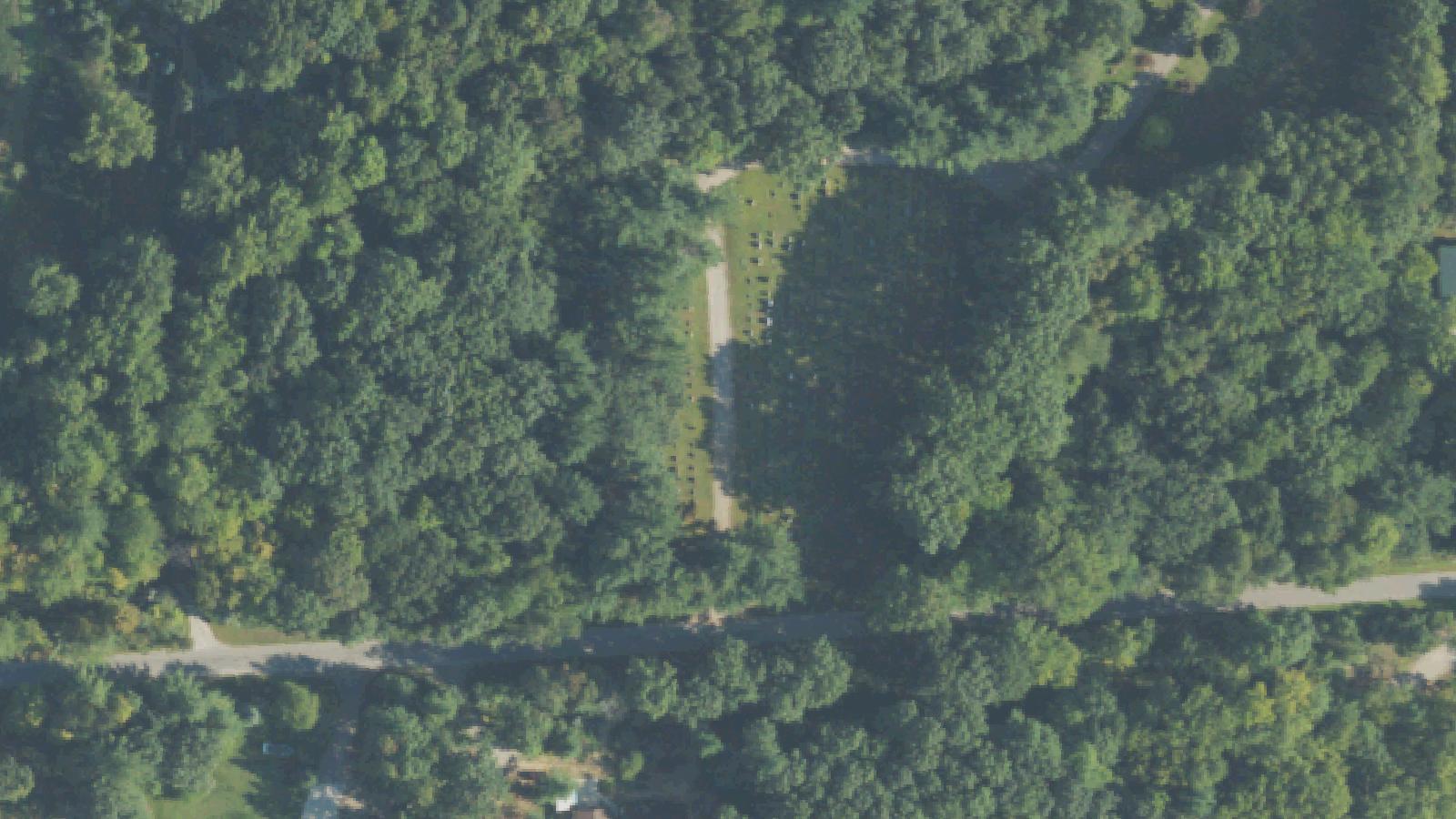
In 2010, the Missouri State Hospital No. 4 Cemetery was listed on the National Register of Historic Places. The NRHP nomination recognized the site as a 1.9-acre cemetery organized into 24 sections of 50 graves each, holding approximately 1,200 burials. The listing acknowledged the cemetery's significance as a physical record of institutional psychiatric practice and the lives of patients who had no other memorial.
Sources
- https://en.wikipedia.org/wiki/Farmington_State_Hospital_No._4_Cemetery
- https://dmh.mo.gov/smmhc/history
The Farmington State Hospital No. 4 Cemetery does not carry a body of specific paranormal testimony in the published record. The site appears in regional dark-tourism surveys because of what it documents rather than what witnesses have reported experiencing there.
The cemetery's weight comes from its institutional context: over 1,200 people buried without individual recognition, their graves marked for decades only with numbers, their deaths often unreported to families. The hospital's lobotomy program between 1940 and 1943 — more than 200 procedures — adds a layer to the site's history that requires no embellishment.
Some regional paranormal writers note the general atmosphere of asylum cemeteries as places where the historical record itself generates unease. The Missouri Department of Mental Health's acknowledgment of the hospital's practices, and the preservation of the cemetery through NRHP listing while the hospital building became a prison, makes the site one of the more documentably significant of Missouri's asylum burial grounds.
Where this legend is told