Est. 1889 · Juvenile Reformatory for Girls, 1889–1981 · National Register of Historic Places (2010) · History of Juvenile Justice in Missouri · Late-19th-Century Institutional Reform Architecture
Missouri opened the Chillicothe Industrial Home for Girls on January 22, 1889. The institution's mandate was to receive girls between the ages of 7 and 21 who had been committed by courts as delinquent, orphaned, or abandoned. This population included girls whose 'offense' was defined under the morality statutes of the period as 'sexual indiscretion' — a category that in practice captured girls who had been victims of abuse as readily as those who had engaged in any volitional conduct. The facility was part of a broader late-19th-century juvenile reform movement that applied institutional confinement as a corrective to poverty, family instability, and nonconformity.
The institution operated in this juvenile reformatory capacity for nearly a century. In 1981 it transitioned to the Missouri Department of Corrections as an adult women's correctional facility, the Chillicothe Correctional Center, which continues to operate on the same E. Fourth Street site. The institutional shift from juvenile to adult custody marked the end of the building's original purpose while the site's carceral use continued without interruption.
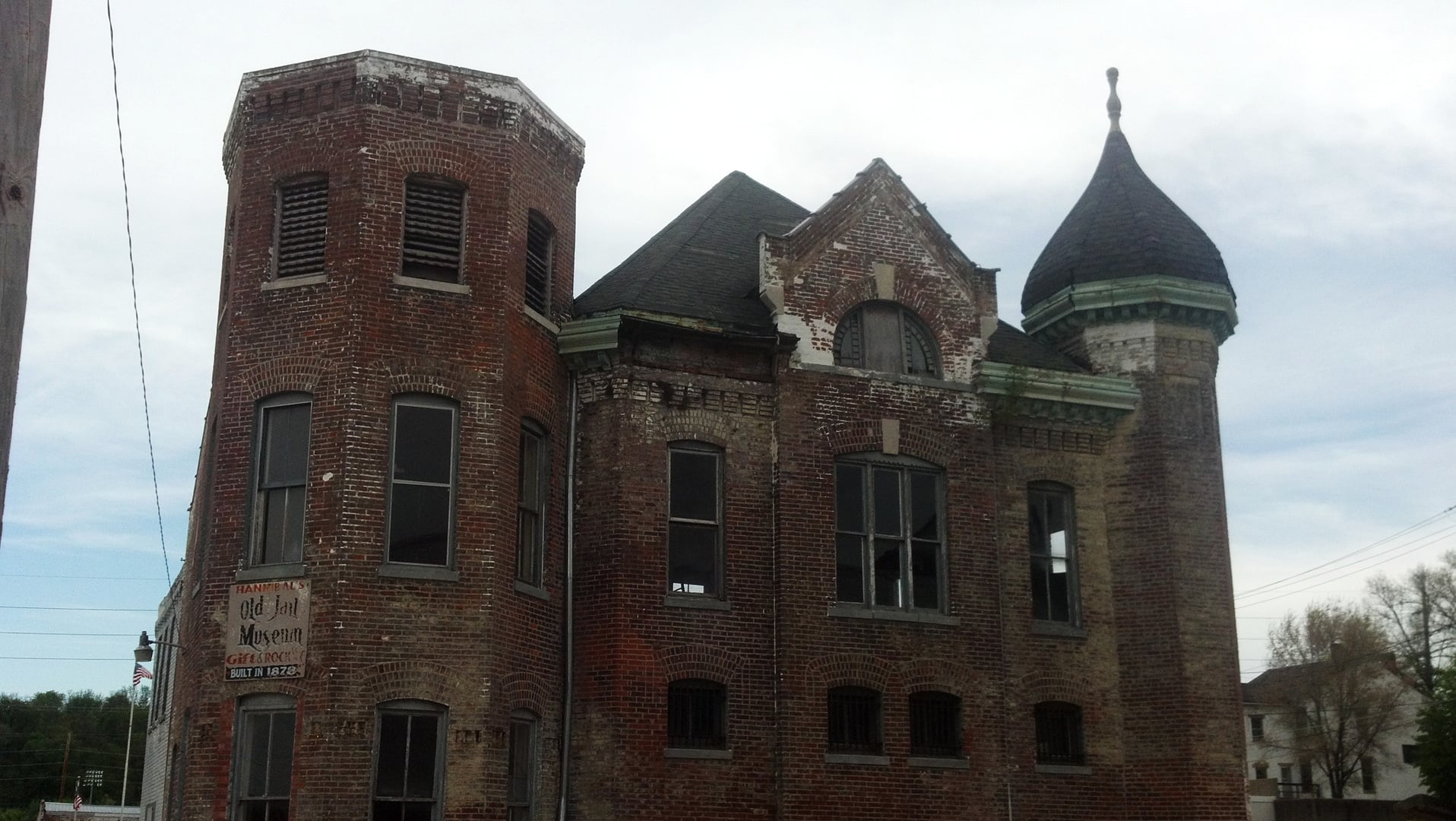
The original Victorian-era campus — a collection of period brick institutional buildings — was recognized with a listing on the National Register of Historic Places in 2010, documenting its architectural and historical significance. A Medium article by a local writer describes the campus in historical detail and notes the NRHP designation. Beginning in 2008 with the opening of a new facility, the original campus buildings were progressively demolished; by 2016 the majority of the Victorian structures were gone. What remains at the address today is the active Chillicothe Correctional Center rather than the historic campus.
The Historic Missouri database also documents the institution's history and building inventory from the reform era, providing an archival record of the campus that no longer stands.
Sources
- https://en.wikipedia.org/wiki/Chillicothe_Industrial_Home_for_Girls
- https://medium.com/@cjcwriter04/the-old-chillicothe-industrial-home-for-girls-designed-for-juvenile-offenders-was-part-of-a-d17e0c6bc87a
- https://historicmissouri.org/items/show/118
- https://www.livcolib.org/History/County/1981/1981state.htm
The Chillicothe Industrial Home for Girls does not have a documented paranormal tradition confirmed by independent primary or secondary sources. The site is included in the Hauntbound corpus as a dark-history venue on the strength of its documented institutional history: nearly a century of confining hundreds of girls under conditions typical of the juvenile reform era — labor requirements, limited contact with family, and confinement for offenses as minor as poverty or association with a 'disreputable' household.
The demolition of the original Victorian campus in 2016 means that the physical site now hosting the active Chillicothe Correctional Center bears little architectural resemblance to the building in which the institution's history unfolded. Visitors approaching the address will see a contemporary correctional facility. The historical record of the Industrial Home is preserved in Wikipedia, the Historic Missouri database, and local research rather than in the built environment.