Est. 1856 · Pony Express · Westward Expansion · Santa Fe Trail · Antebellum Architecture · Frontier Commerce
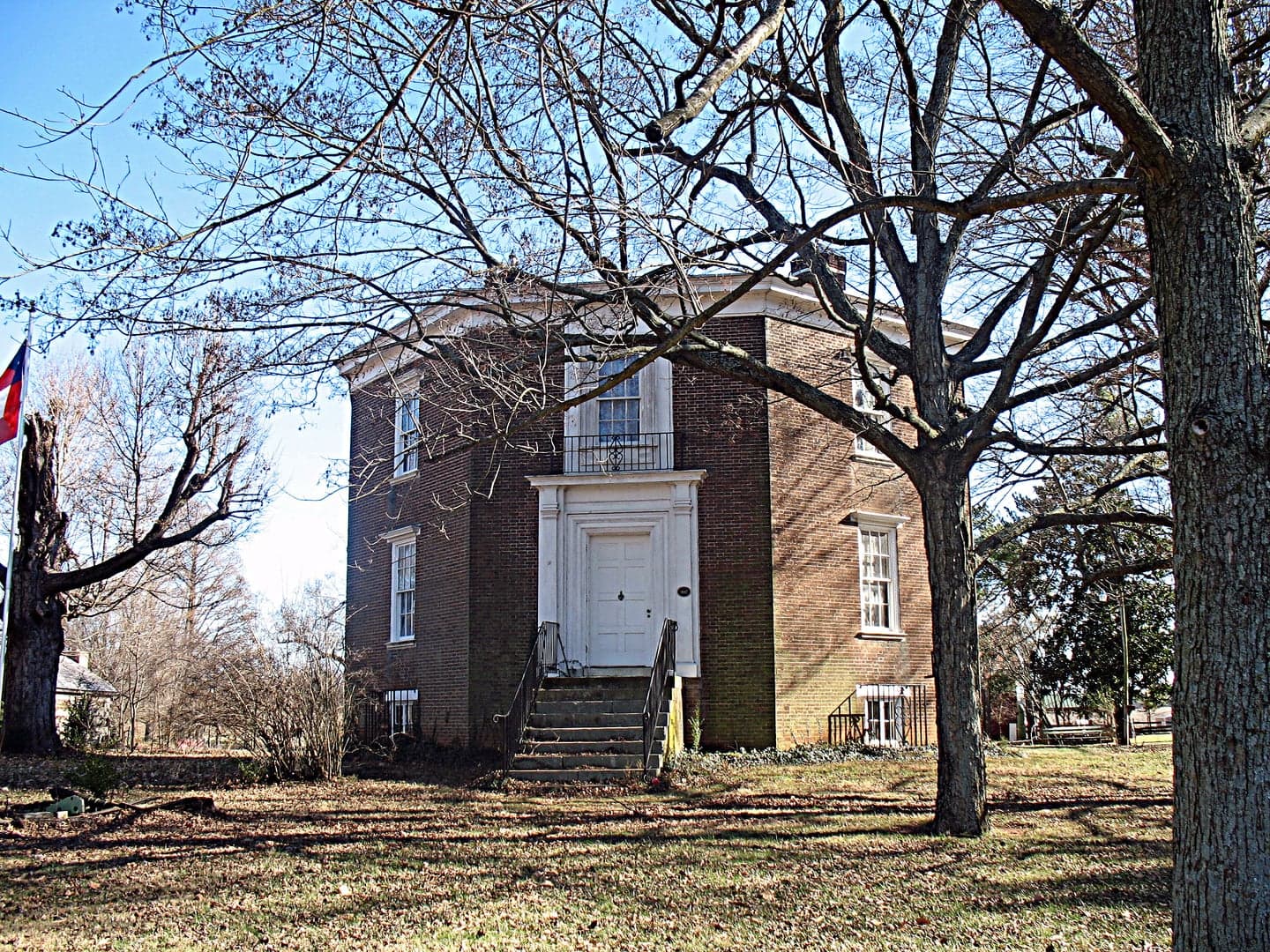
Alexander Majors constructed the mansion at 8201 State Line Road in Kansas City, Missouri in 1856. At that point, his freighting partnership of Russell, Majors, and Waddell operated the most extensive overland freight operation in the West — hundreds of wagons moving supplies along the Santa Fe, Oregon, and California trails.
Majors was a devout man who required his employees to take an oath against profanity and to observe the Sabbath; he is said to have distributed Bibles to his riders. His business practices were considered unusually principled for the frontier commerce of the era. The mansion he built reflects his prosperity — a formal antebellum structure in the Greek Revival style that was then fashionable among successful Missouri merchants.
In 1860, Russell, Majors, and Waddell launched the Pony Express, a relay mail system designed to carry correspondence from Missouri to California in ten days using a chain of riders and fresh horses at stations spaced roughly 10-15 miles apart. The venture captured public imagination but proved financially disastrous. The transcontinental telegraph was completed in October 1861, making ten-day mail delivery obsolete. The Pony Express operated for exactly 18 months. Majors' fortune was largely consumed by the venture and its debts.
The National Park Service added the Alexander Majors House to the National Register of Historic Places, and the museum opened to the public in 1984. The property is administered by the Wornall/Majors House Museums organization, which also operates the nearby John Wornall House.
Sources
- https://wornallmajors.org/alexander-majors-house-museum-in-kansas-city/
- https://en.wikipedia.org/wiki/Alexander_Majors_House
- https://www.nps.gov/places/alexander-majors-house.htm
ApparitionsCold spotsPhantom sounds
The paranormal reputation of the Alexander Majors House is quieter than many properties of its type — rooted in the family's long occupation of the space rather than in violent events or sudden tragedy.
Multiple generations of the Majors family called this address home. Staff who conduct daytime tours have reported unexpected sensations of presence in specific rooms — the feeling of being watched in areas where no visitor was present. Investigators working the house after hours have documented what they describe as responses to questions about the property's history.
Ghost City Tours in Kansas City includes the Majors House on their haunted history circuit, and the museum itself lists paranormal investigation among its available rental events. The Wornall/Majors House Museums organization has hosted investigation groups, though the emphasis remains on the historical record rather than paranormal tourism.
The Santa Fe Trail context gives the house an interesting secondary layer: Alexander Majors moved enormous volumes of material across the frontier, and his riders included some of the youngest and most celebrated figures of the trail era. Whether any of that history has left an imprint in the physical structure is a question each investigation group attempts to answer independently.