Est. 1872 · Michigan Founders · Missionary History · Ottawa County History · Municipal Cemetery
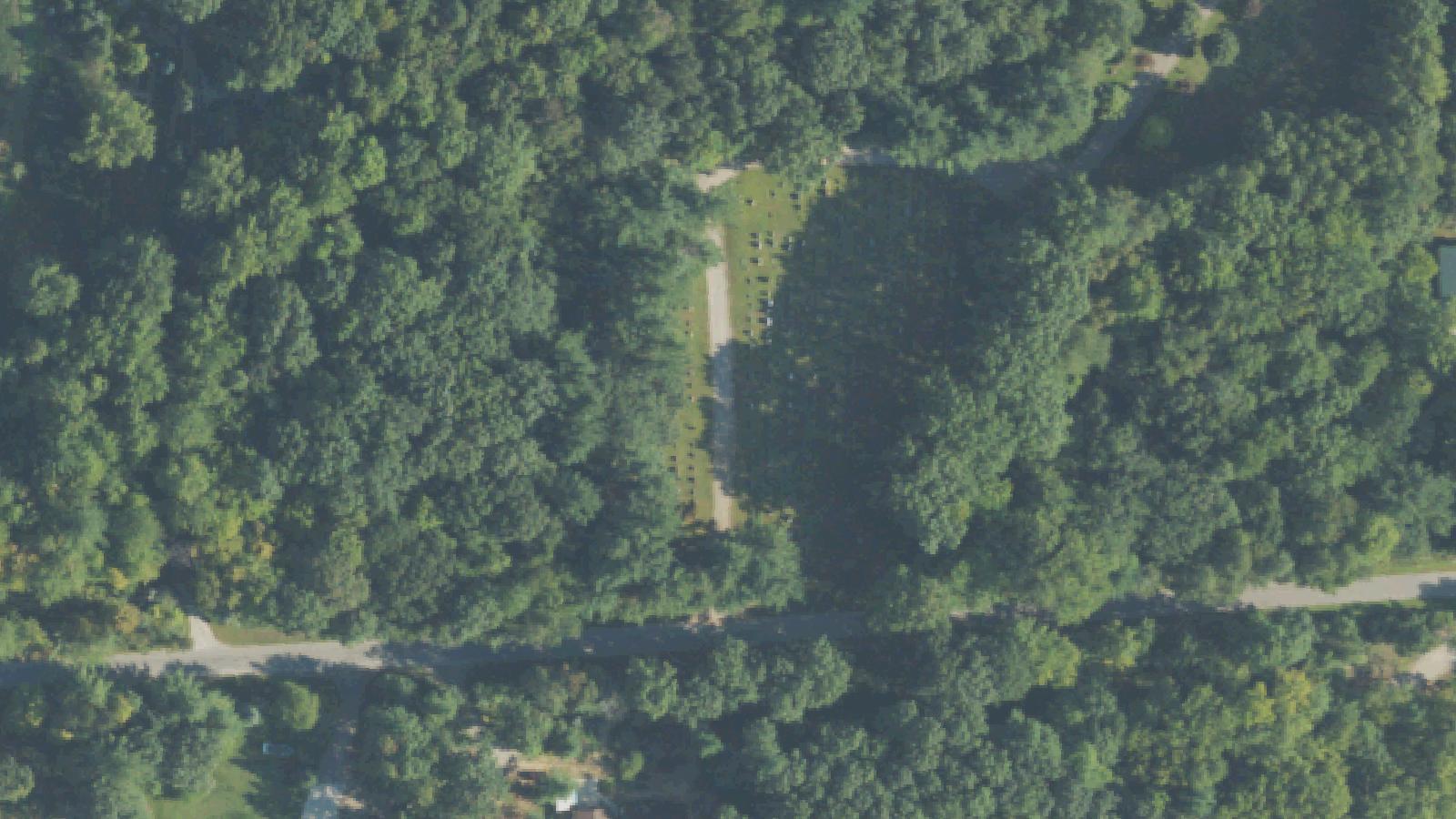
Lake Forest Cemetery was established in 1872 on Lake Avenue in Grand Haven, Ottawa County. The city manages it as part of the Parks and Grounds division; it contains thousands of interments including four family mausoleums.
The most historically significant section is Ferry Hill — a raised plateau accessed by a winding stone staircase — where the city's founders are buried. Chief among them is Reverend William Montague Ferry, born September 8, 1796 in Granby, Massachusetts. Ferry graduated from Union College at Schenectady in 1821, attended New Brunswick Seminary, and was ordained by the New York Presbytery in 1822. In the 1820s he established a Christian mission to the Ojibwe on Mackinac Island; the Mission House he built there in 1825 is listed on the National Register of Historic Places.
Ferry relocated to Grand Haven in 1834 and lived there until his death on December 30, 1867. He preached his first sermon in November 1834 at a fur trading post cabin, beginning a congregation of 21 people including his family. With Rix Robinson and others, Ferry founded the Grand Haven Company and financed the first framed building in the settlement — a structure that served as both school and church.
Ferry's civic legacy extended through his descendants. His son Thomas White Ferry represented Michigan in both the U.S. House and Senate as a Republican. Several Michigan cities and townships bear the Ferry family name. Ferrysburg, directly across the Grand River from Grand Haven, is named for William Montague Ferry.
Sources
- https://en.wikipedia.org/wiki/William_Montague_Ferry
- https://grandhaven.org/departments/lake-forest-cemetery/
- https://99wfmk.com/lakeforestcemetery/
- http://mysteriousmichigan.com/blue-man-lake-forest-cemetery
Apparitions
The Blue Man legend at Lake Forest Cemetery dates, by most accounts, to sometime in the 1950s. Witnesses describe a pale, bluish-tinged male figure standing on Ferry Hill, the elevated section of the cemetery where William Ferry and his family are buried. Sightings have continued with enough regularity that the apparition is now the cemetery's most recognizable paranormal claim.
The connection to Ferry himself is inferred rather than documented: he was a Presbyterian minister, he founded the city, his grave is at the top of the hill, and the figure appears to stand guard over the hilltop burial ground. No independent historical event links a specific violent or traumatic death to the location.
The second legend, the 'Stairway to Hell,' centers on the same stone staircase that leads up to Ferry Hill. Local accounts hold that recently departed souls ascend the stairs for a final accounting — a piece of folk eschatology attached to a genuinely atmospheric piece of Victorian cemetery design. The staircase is old, uneven, and winding enough that it functions as atmosphere regardless of the legend.
The cemetery has been covered by regional media including WZZM13, which broadcast a guided cemetery tour segment, and by Mysterious Michigan, which profiles the Blue Man at length.
Notable Entities
The Blue ManWilliam Montague Ferry