Est. 1886 · Civil War Veterans Care · Michigan Military History · Grand River Campus · Veterans Memorial
The Michigan Soldiers' Home in Grand Rapids was authorized by Act 152 of the Michigan Public Acts of 1885, passed in response to the pressing need for institutional care for veterans disabled in the Civil War. The dedication ceremony in December 1886 was attended by Governor Russell A. Alger, governor-elect Cyrus G. Luce, former governor Austin Blair, and members of the legislature — a significant political gathering that reflected the facility's importance to the state.
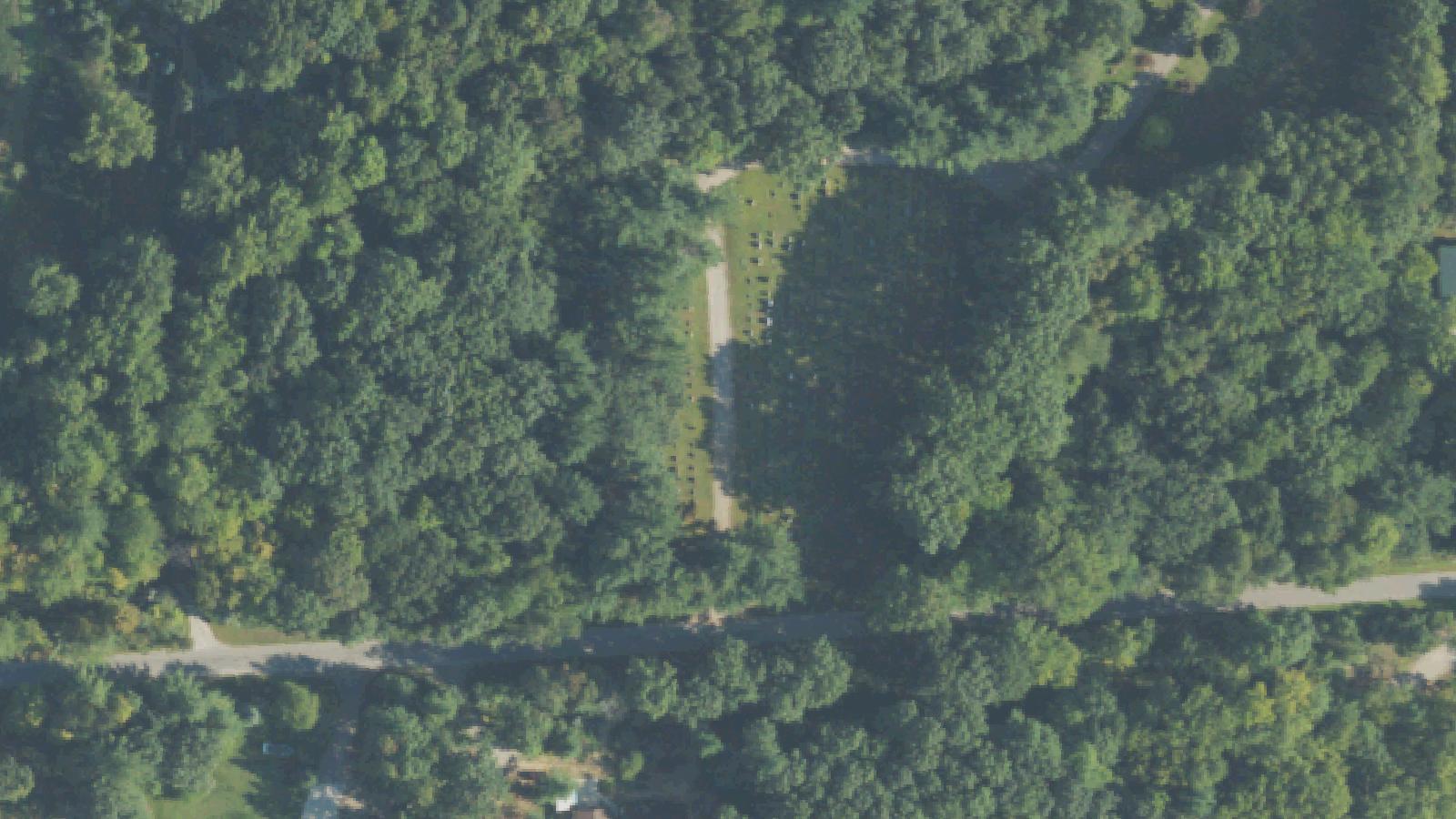
The campus occupies 90 wooded acres near the Grand River in northeast Grand Rapids, with a veterans cemetery that opened alongside the facility in 1886 as a final resting place for Civil War veterans. The cemetery at 3000 Monroe Avenue NW is separate from the residential complex.
The facility was renamed Michigan Veteran Homes at Grand Rapids and completed a major $62.9 million renovation in 2021, replacing older institutional housing with four neighborhood-style buildings accommodating 128 residents in private rooms with private bathrooms. The renovation preserved the historic campus character while bringing the residential facilities to modern care standards.
Today the campus accommodates Michigan veterans in a setting that blends historic architecture with modern supportive care infrastructure.
Sources
- https://www.michigan.gov/mvh/about/about-mvh
- https://wkmi.com/veterans-cemetery-grand-rapids/
- http://grh4v.blogspot.com/2015/07/history-of-grand-rapids-home-for.html
ApparitionsShadow figuresResidual haunting
The accounts from the Grand Rapids veterans cemetery are specific in their military character. Witnesses describe not wandering figures but soldiers behaving as soldiers — standing in formation, responding to commands, moving in organized groups through the cemetery grounds. An officer is reported to give orders. The formations respond.
The most striking account in available documentation involves a woman who observed approximately 70 soldier apparitions emerging from a small outbuilding — a structure she estimated could not physically contain more than ten people. The apparitions came from it in sequence, fully formed, and dispersed into the cemetery grounds.
Other witnesses have described soldiers peering from the woods at the edges of the grounds and looking out from windows in the historic buildings. Several accounts note figures startling motorists who drive past the cemetery at night.
The cemetery at 3000 Monroe Avenue NW holds the graves of Civil War veterans for whom this facility was their final institutional home. The accounts do not describe dramatic or threatening phenomena — they describe men who appear to still be performing the rituals of military service, which gives the reports an elegiac rather than frightening quality.