Case Funeral Home — multi-generational Old Town mortuary · Saginaw Old Town commercial district preservation · Paranormal investigation documentation from Saginaw County
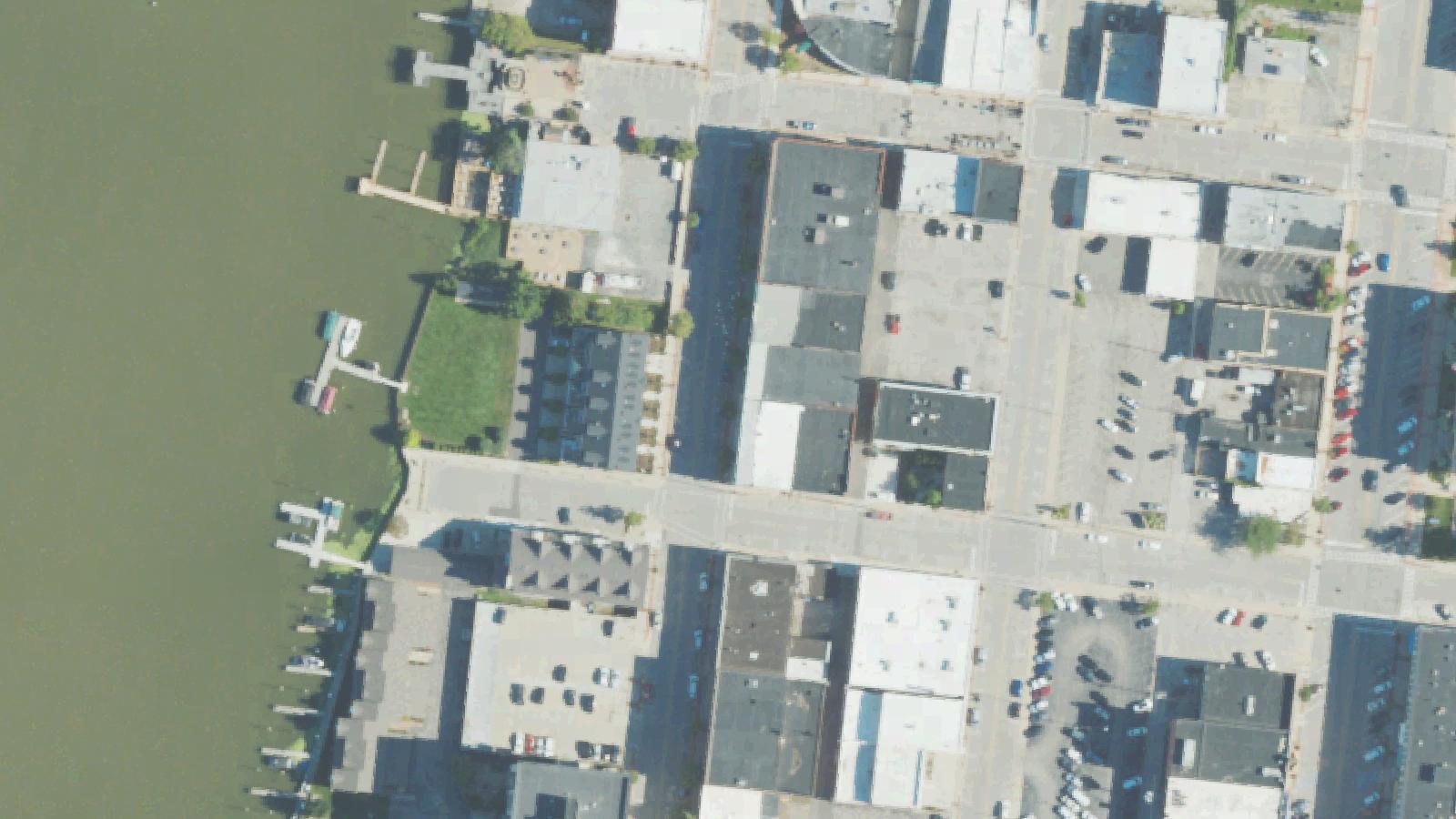
The building at 413 Adams St stands in Saginaw's Old Town district, a stretch of the city that retains more of its 19th-century commercial fabric than most of downtown Saginaw. The Case Funeral Home operated here for multiple generations — long enough to become one of the institutional features of a neighborhood that knew it as a constant, if not always welcome, presence.
Funeral homes occupy a specific kind of civic space: necessary, permanent, and laden with accumulated weight in ways that no other commercial category quite replicates. The Case building processed the dead of Saginaw through the city's lumber era, its German immigrant peak, its industrial boom, and its subsequent contraction. That history is embedded in the building in ways that do not simply disappear when the use changes.
The Haunted Saginaw Museum occupies the former Case space and has organized its collection around two intersecting themes: the documented paranormal investigation history of the Saginaw area and the material culture of death as practiced in the building's former life. The original casket from the funeral home era is the collection's anchor object. Cursed or allegedly paranormally significant objects from local investigations, vintage mortician tools, and documentation of Saginaw-area cases round out the exhibits. Local press covered the museum's opening and its unusual combination of legitimate regional history with a frank embrace of dark-tourism framing.
Sources
- https://www.hauntedsaginaw.com/the-museum
- https://www.review-mag.com/article/a-haunting-on-adams-street-the-haunted-saginaw-museum
Unaccountable sounds in former mortuary preparation areasGeneral reported residual activity in former funeral home spaces
The Haunted Saginaw Museum's paranormal framing is inseparable from its collection method: objects in the museum are presented with case documentation connecting them to specific Saginaw-area investigations. The building's own mortuary history contributes a secondary layer — staff and early visitors have described unaccountable sounds in the former preparation areas.
The 'cursed objects' component of the collection operates in a tradition with a well-established if contested track record in regional paranormal culture: objects removed from death sites or investigation locations and treated as carrying residual energy. The museum presents these without editorial judgment about the underlying claims.
The Case Funeral Home's long operational history in a single building means that whatever impressions such a place accumulates — if one accepts the framework of residual energy — would have had significant time to deepen. The museum's willingness to present this history directly, alongside documented Saginaw-area investigation materials, distinguishes it from purely theatrical dark-tourism venues.
Where this legend is told