Self-Guided Visit
Station Visit
Visit the BP gas station in Shepherd during operating hours. The facility functions as a standard convenience store and fuel station while harboring a reputation for paranormal phenomena.
- Duration:
- 30 min
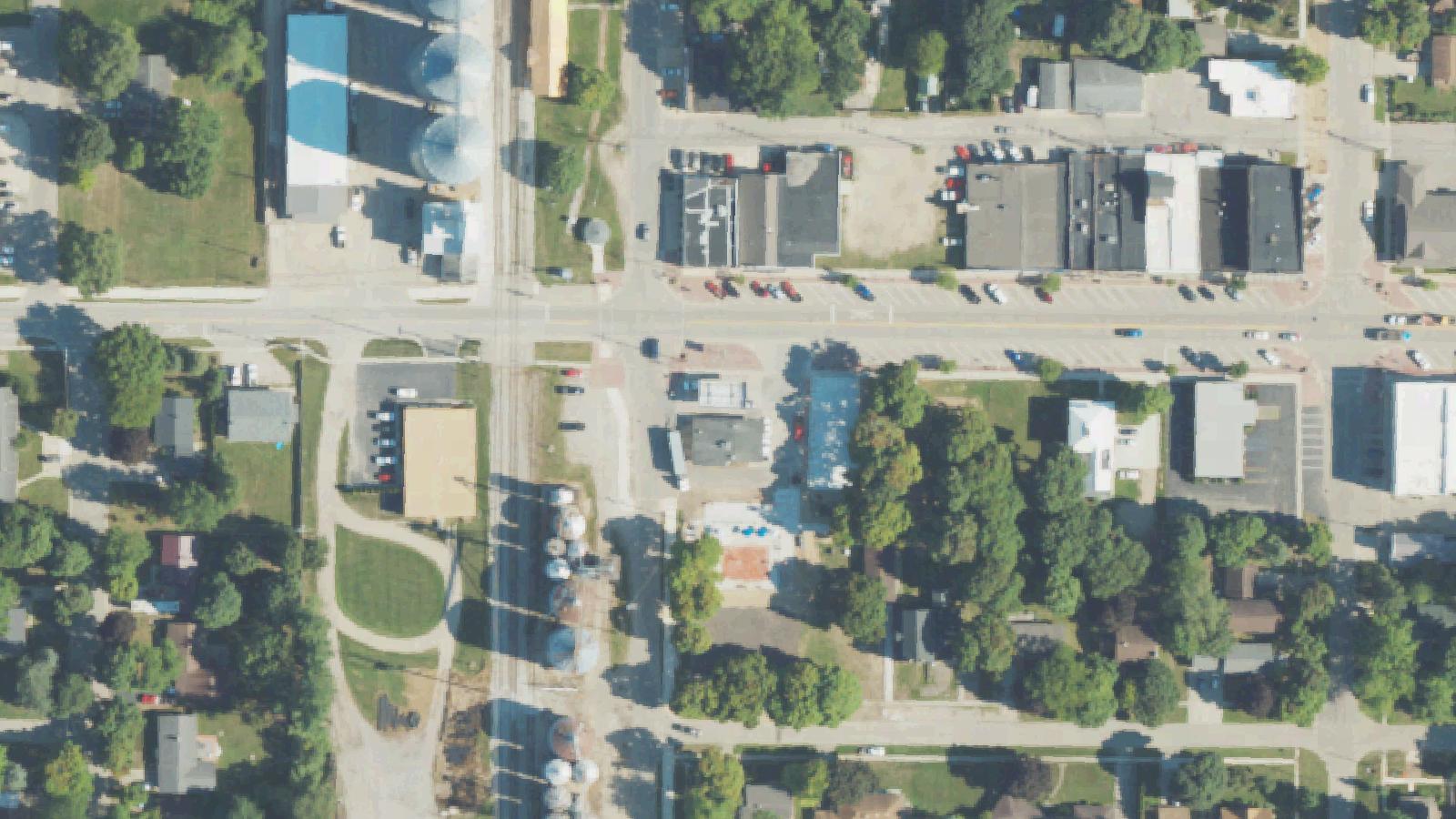 Aerial survey · USDA NAIP · public domain
Retail location with reports of shadow figure and poltergeist phenomena
Shepherd, MI
Research updated May 2026
Age
All Ages
Cost
Free
Free to visit; gasoline and convenience store purchases optional
Access
Wheelchair OK
Paved, ground level
Equipment
Photos OK
Est. 1857 · Lumber Industry Heritage · Nineteenth Century Settlement · Isabella County Development
Shepherd emerged as a settlement in the nineteenth century when lumberman Isaac Shepherd and other settlers established operations along the Salt River. The community's initial name, Salt River, reflected its geographic location and relationship to the primary water feature. The post office was officially established on August 8, 1857, formalizing the settlement's status as a communication hub.
The village was formally platted in 1866, establishing property boundaries and legal infrastructure for organized municipal development. Shepherd developed as a small rural community within Coe Township, Isabella County, serving the surrounding agricultural and resource-extraction economy.
The community maintained its small-town character throughout the twentieth and twenty-first centuries, with population remaining relatively stable. As of the 2020 census, the Village of Shepherd housed 1,469 residents. The village continues to serve regional transportation and commercial needs, with gasoline stations and convenience stores providing services to residents and travelers passing through the area.
Sources
The BP gas station in Shepherd carries a workplace paranormal reputation centered on a dark shadow figure. Multiple independent witnesses—primarily employees working shifts at the facility—have reported observing this dark, undefined presence moving through the building's interior spaces.
The shadow entity exhibits poltergeist-type behaviors consistent with object displacement and manipulation. Witnesses describe items suddenly jumping or falling from counters without visible cause. Merchandise is reported to move within the store despite no human intervention. These phenomena suggest either environmental factors (vibration, air currents, structural settling) or paranormal object displacement.
A particularly disturbing phenomenon involves the sensation of presence: multiple witnesses independently report the distinct impression of the shadow standing immediately behind them, despite no visible figure when turning to observe. This sensed presence without visual confirmation suggests either a residual environmental imprint or an intelligent entity maintaining spatial awareness.
No documented historical records of tragic incidents at this location are publicly available. The paranormal reputation appears to be contemporary workplace folklore rather than response to verified historical trauma. The poltergeist-type phenomena may reflect workplace stress externalization or genuine environmental anomalies.
Visit the BP gas station in Shepherd during operating hours. The facility functions as a standard convenience store and fuel station while harboring a reputation for paranormal phenomena.
Some links on this page may earn HauntBound a small commission when you book, at no extra cost to you. Our editorial picks are independent. Full disclosure
Every HauntBound history is researched from documented sources. We clearly separate verified historical fact from paranormal folklore.
Free Guide
10 verified stops, rated for families, mapped in order. Free.
One email to confirm, then the guide link. Unsubscribe anytime.
 Aerial survey · USDA NAIP
Pensacola, FL
The Museum of Shadows is the creation of Nate Raterman, a demonologist and paranormal investigator with more than two decades of casework. Raterman opened the original location in Omaha, Nebraska, and the Pensacola branch opened in late 2024. The collection contains over 5,000 objects that Raterman and his team deemed genuinely active during investigations — ranging from allegedly cursed Ouija boards and haunted dolls to items used in criminal acts and human remains. The museum bills itself as the most haunted museum in the world.
Mason, OH
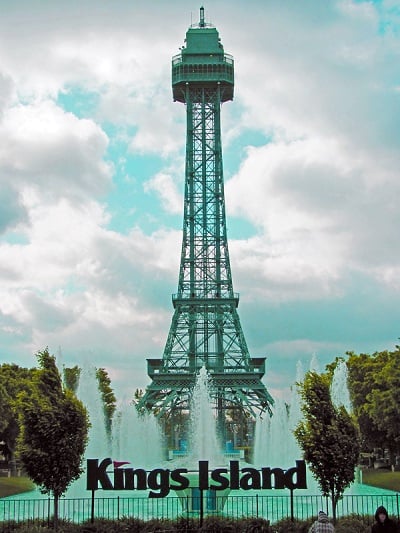
Kings Island opened in April 1972 after Paramount Parks relocated from flood-prone Coney Island on the Ohio River. Construction of the 364-acre site in Mason, Warren County, required working around a pre-existing pioneer burial ground — Dogstreet Cemetery, dating to at least 1803 — which remains at the north end of the parking lot to this day.
 Aerial survey · USDA NAIP
Bay City, MI
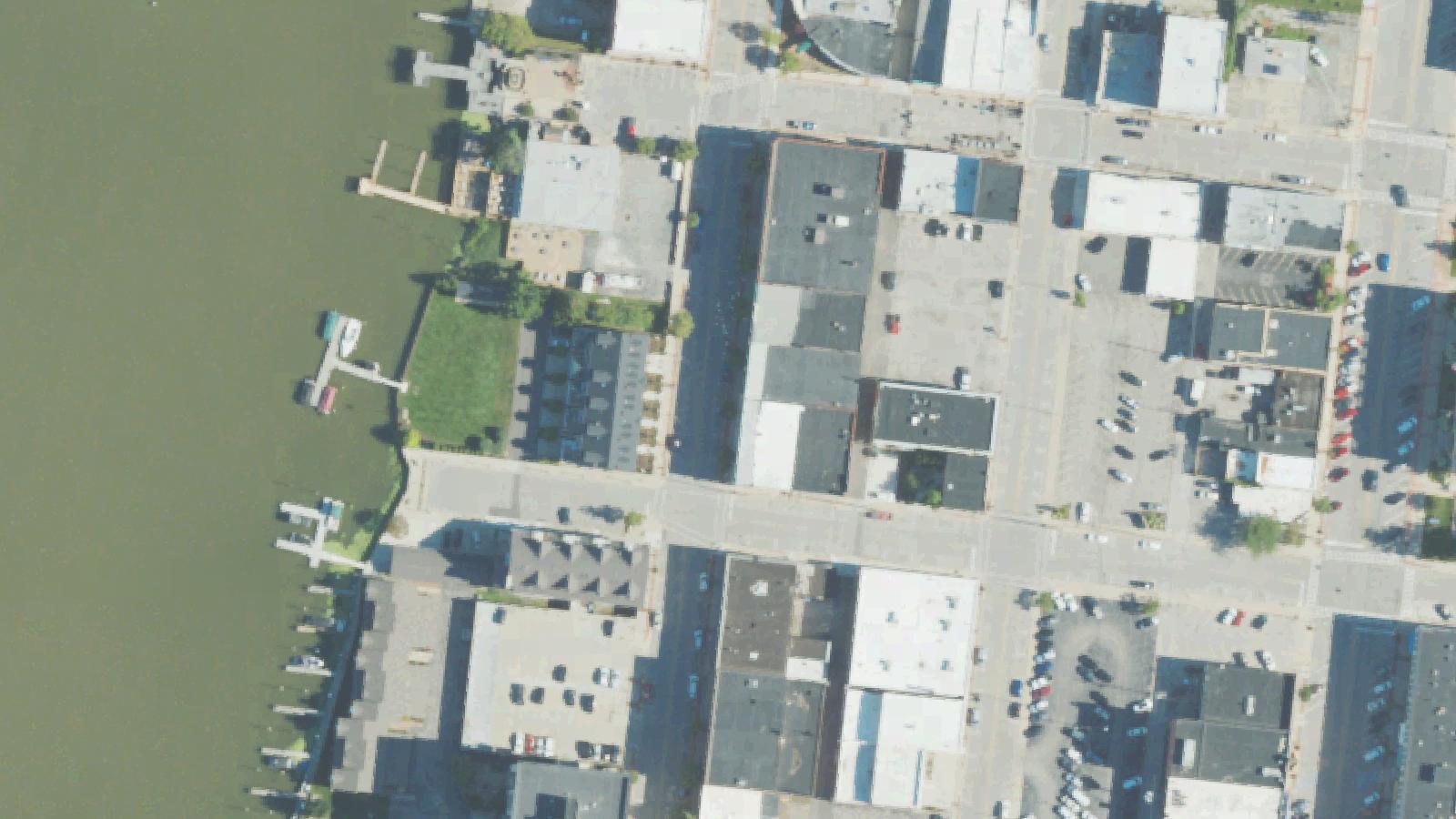
The building at 1020 N Water St in Bay City housed the Campbell House Hotel, a historic property in the city's riverfront commercial district. After the hotel's closure it was converted to a multi-dealer antiques center. The building is documented in Nicole Beauchamp's History Press book Haunted Bay City, Michigan as one of the city's documented paranormal sites.