Drive-By
Exterior architectural viewing
Walk the perimeter of the Indiana-limestone Rackham Building, view the bronze doors and copper roof, and read the Michigan's First Jewish Cemetery historical marker placed nearby in 1983.
- Duration:
- 30 min
HauntBound archive · catalog record
Reported phenomena, as catalogued
Art Deco-influenced classical Renaissance graduate school building dedicated in 1938, built on land that once held Michigan's first Jewish cemetery and rumored to be haunted by independently moving auditorium doors.
915 E Washington St, Ann Arbor, MI 48109
Research updated September 2026
Age
All Ages
Cost
Free
Free to view exterior; auditorium accessible during public events and lectures.
Access
Wheelchair OK
Paved campus walkways; building has accessible entrances.
Equipment
Photos OK
Est. 1938 · Funded by the 1933 bequest of Horace H. Rackham, an early Ford Motor Company investor · Designed by William E. Kapp of Smith, Hinchman & Grylls, dedicated June 1938 · Stands on land that included Michigan's first Jewish cemetery (established 1848-49) · State historical marker for Michigan's First Jewish Cemetery placed at the site in 1983
The Horace H. Rackham Graduate School Building was made possible by a bequest from Detroit lawyer and Ford Motor Company investor Horace H. Rackham, who died in 1933. His estate funded the construction of the building and an associated endowment for graduate studies at the University of Michigan. The contract for design went to the Detroit firm Smith, Hinchman & Grylls, with William E. Kapp serving as principal designer. Ground was broken in May 1936, and the building was officially dedicated in June 1938.
Kapp designed the structure in a classical Renaissance idiom with Art Deco interior detailing. The footprint is 196 by 250 feet, faced in Indiana limestone over a granite base, with bronze window and door frames and a copper roof. It was sited on North University Avenue to face what is now the Hatcher Graduate Library, anchoring a formal axis across campus.
The land on which Rackham now stands has a longer history. In 1848-49 the Jews Society of Ann Arbor established Michigan's first Jewish cemetery on a plot at the corner of Fletcher and Washington streets, adjacent to the old public cemetery. By the 1880s the original Jewish community of Ann Arbor had largely relocated to Detroit and outlying farms, and in 1899-1900 the cemetery was 'obliterated' and the recorded remains were reinterred at Forest Hill Cemetery. Houses were built on the former burial ground and were later demolished to make way for the Rackham Building in the 1930s.
In 1983 the Beth Israel Congregation and the Jewish Historical Society of Michigan placed a state historical marker at the northeast corner of the property to commemorate the original cemetery. The building today houses the Rackham Graduate School, the Rackham Auditorium, the Assembly Hall, and numerous lecture and meeting rooms used for university and public events.
Sources
According to the AnnArbor.com feature 'Where are the real haunted places in the Ann Arbor-Ypsilanti area?', a security guard who worked midnight shifts at Rackham Hall described witnessing things he could not explain, including the heavy leather-padded doors to the auditorium moving independently. The same article and subsequent student reporting at The Michigan Daily attribute the building's reputation to its position over Michigan's first Jewish cemetery, which was relocated to Forest Hill in 1899-1900 before houses were built and later cleared for Rackham's 1936-1938 construction.
The most widely repeated paranormal claim — that the building was constructed directly on top of an unmoved cemetery — is more nuanced than the popular telling. The Ann Arbor District Library's research, drawing on Beth Israel Congregation and Jewish Historical Society of Michigan records, documents that ten plots were purchased at Forest Hill for reinterment but only six bodies were confirmed moved; the fate of the remaining four is unknown. A famous local anecdote describes fraternity brothers around 1980 discovering, while cleaning their property, that a stone slab they had used as a doorstep was a Hebrew tombstone, suggesting that not every grave marker was accounted for during the 1899-1900 removal.
Students surveyed by The Michigan Daily for Halloween features have repeatedly named Rackham among campus buildings 'most likely to be haunted,' but firsthand accounts beyond the security-guard story are scarce in published sources. Reported phenomena are limited to the auditorium-door account, generalized 'strange feelings' in the building at night, and the symbolic weight of standing on a former burial ground.
Media Appearances
Walk the perimeter of the Indiana-limestone Rackham Building, view the bronze doors and copper roof, and read the Michigan's First Jewish Cemetery historical marker placed nearby in 1983.
Attend a public lecture, concert, or U-M event to access the auditorium and grand interiors; the heavy leather-padded auditorium doors at the heart of the building's lore can be seen during these visits.
Some links on this page may earn HauntBound a small commission when you book, at no extra cost to you. Our editorial picks are independent. Full disclosure
Every HauntBound history is researched from documented sources. We clearly separate verified historical fact from paranormal folklore.
Free Guide
10 verified stops, rated for families, mapped in order. Free.
One email to confirm, then the guide link. Unsubscribe anytime.
Ann Arbor, MI
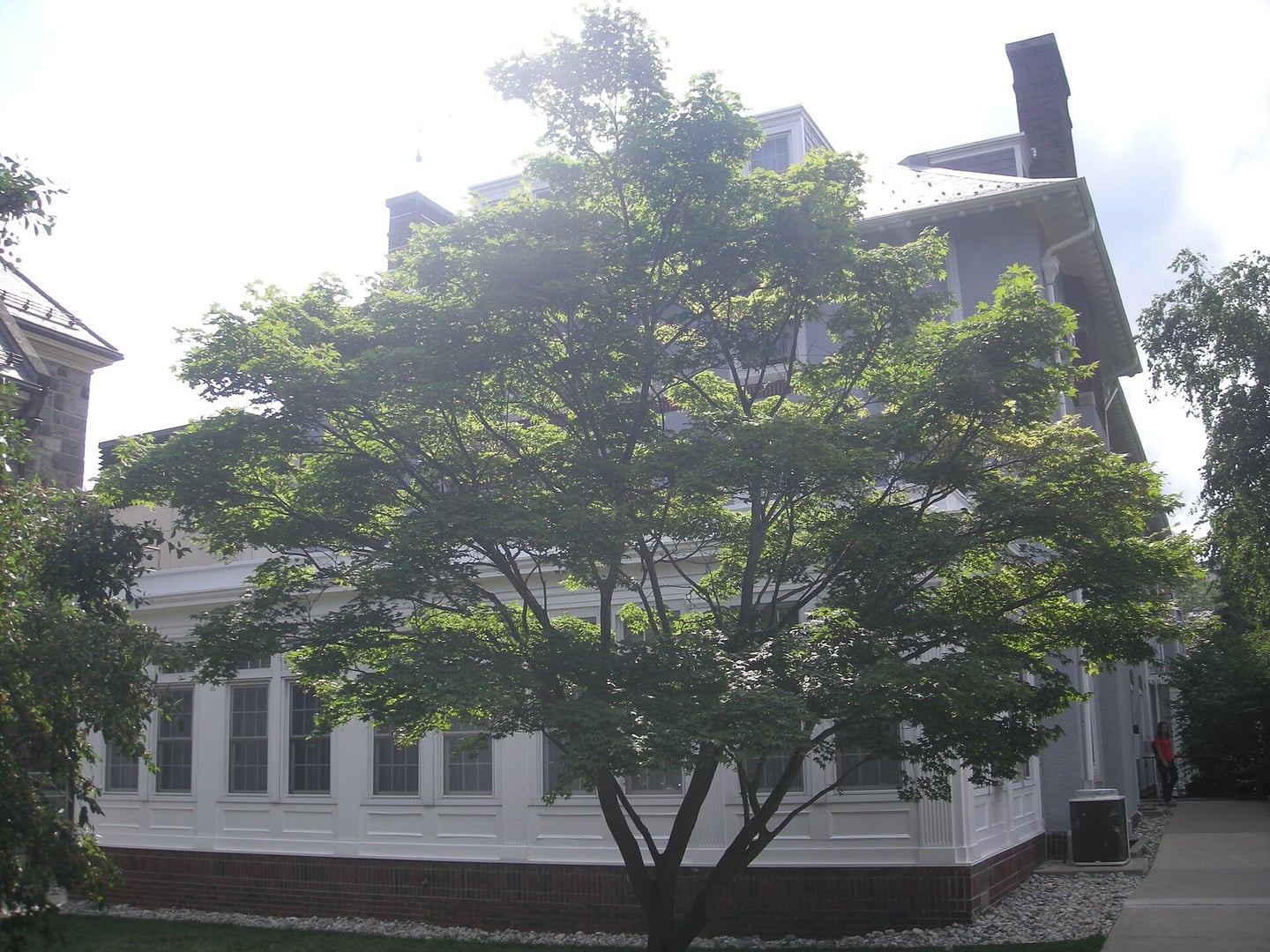
Built in 1913-1914 and opened to women students in 1915, Helen Newberry Residence was funded by a roughly $75,000 gift from the three children of Detroit philanthropist Helen Handy Newberry. Designed by the Detroit firm of Kahn & Wilby, it is the oldest all-female residence hall on the University of Michigan campus.
Ann Arbor, MI
Ann Arbor police officer Clifford "Sid" Stang was fatally shot inside this storefront during a 1935 robbery, when it held the Conlin and Wetherbee clothing store. The building later housed Arbor Brewing Company's original downtown brewpub from 1995 until the brewpub closed the location in 2020; Footprints, a shoe store, opened there in 2023.
 Aerial survey · USDA NAIP
Munford, AL
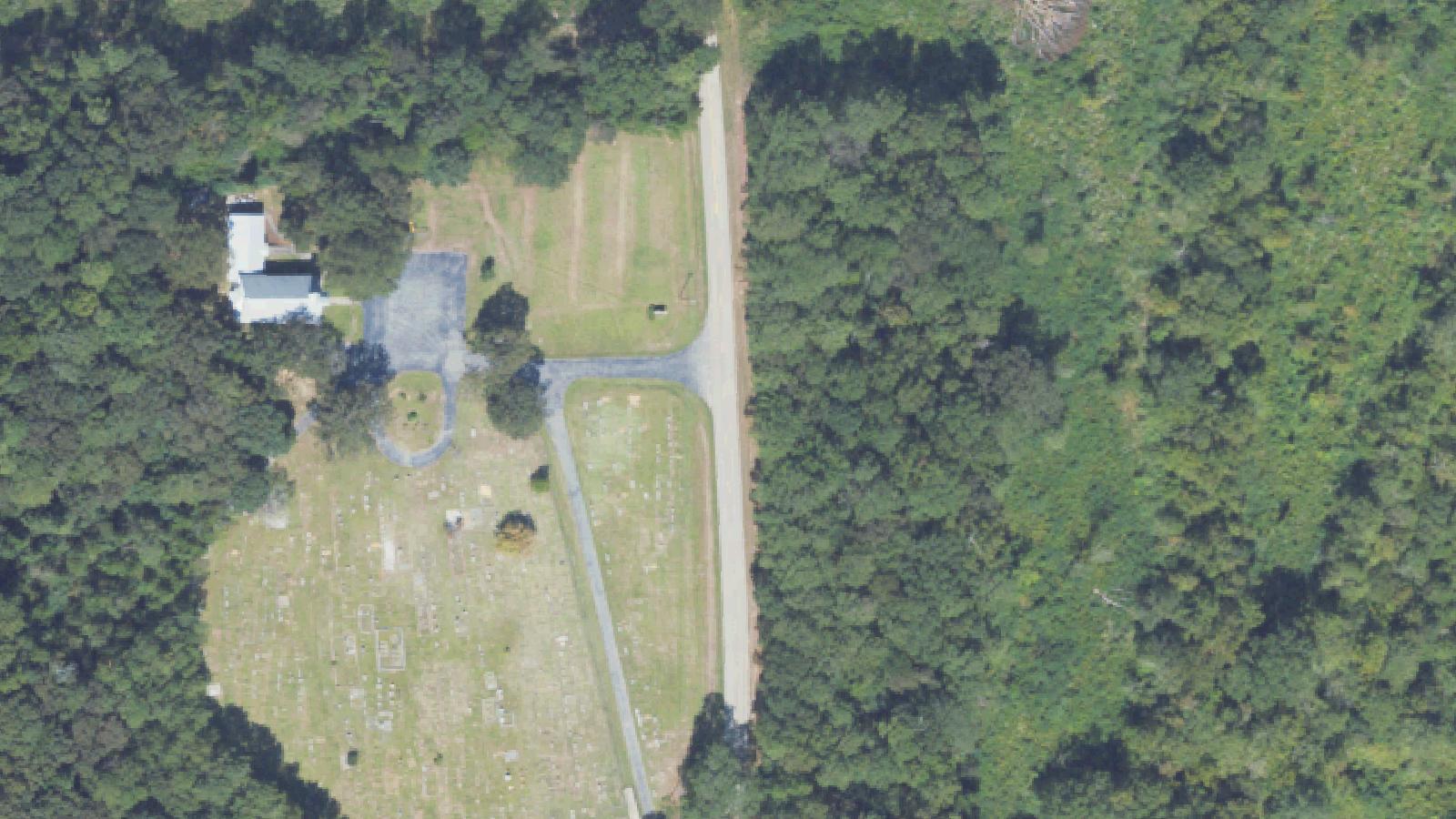
Bethlehem United Methodist Church in Munford, Talladega County, Alabama, is a rural religious institution with a cemetery containing over 400 graves. The site holds documented burials of Civil War veterans and early Alabama settlers, making it a site of local historical significance.