Est. 1855 · 1710 Nottingham Galley Shipwreck and Cannibalism Survival Event · Lighthouse History · National Register of Historic Places · Maritime History of New England
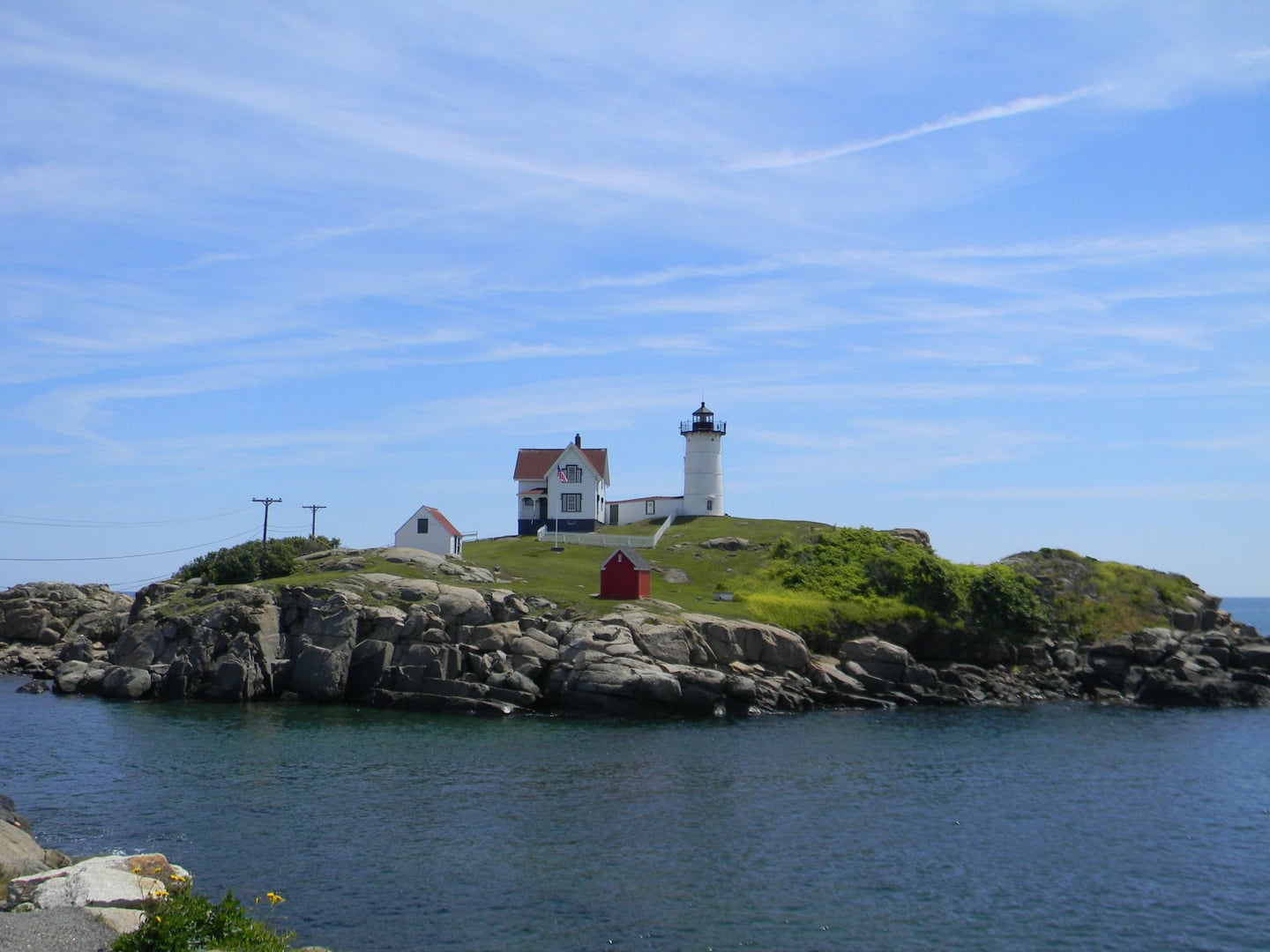
Boon Island sits about six miles southeast of York Beach, Maine, at the southern end of the Gulf of Maine. The island is roughly an acre of bare granite ledge, barely above the waterline at high tide, with no trees, soil, or fresh water. Its isolation and position in a major shipping lane made it both dangerous and — once the 19th century lighthouse was established — essential to coastal navigation.
The event that defined the island's history occurred in December 1710. The brigantine Nottingham Galley, commanded by Captain John Deane and carrying a cargo of cheese, wine, and cordage from England, struck the island's rocks in the early hours of December 11 in worsening weather. The ship broke apart quickly. Fourteen men made it onto the island alive.
The survivors had no shelter, no fire-making materials, no food, and minimal clothing in December on the open Atlantic. Over 24 days they exhausted what could be salvaged from the wreck. When the ship's carpenter died, the survivors consumed the body; Deane later wrote that the crew overruled his objections to doing so, while the crew's own account blamed him for proposing it. Two competing published accounts of the wreck circulated in London and the colonies within a year of the rescue — Deane's own narrative, and a rival pamphlet by three crew members, first mate Christopher Langman among them, who accused Deane of deliberately running the ship aground for the insurance money and of beating and underfeeding the men before the wreck. Neither side's claims were ever independently substantiated, and the dispute between captain and crew is still treated by historians as unresolved. The carpenter's name was not preserved in any surviving primary record.
Subsequent wrecks on the same rocks prompted Maine to establish a light station. Several earlier wooden structures were destroyed by storms. The current 133-foot granite tower was completed in 1855 and has been in continuous service since. It is listed on the National Register of Historic Places. The U.S. Coast Guard automated the light in 1978; the island is not open to public landing.
Sources
- https://en.wikipedia.org/wiki/Boon_Island_Light
- https://en.wikipedia.org/wiki/Boon_Island
- https://newenglandhistoricalsociety.com/the-boon-island-cannibals-of-maine/
- https://www.nelights.com/blog/hauntings-at-boon-island-lighthouse-in-maine/
- https://newenglandecoadventures.com/lighthouse-tours/thrill-ride-to-boon/
- http://www.newenglandlighthouses.net/boon-island-light-history.html
- https://www.fodors.com/world/north-america/usa/maine/experiences/news/photos/this-tiny-island-in-maine-is-one-horror-story-after-the-next
- https://themainebeaches.com/maine-beaches-insider/lighthouse-tales/
Apparitions on the rocksFemale figure seen from offshoreUnexplained lights
The dominant ghost tradition associated with Boon Island involves a lighthouse keeper who died during a severe storm in the mid-19th century. His wife, alone on the island with his body, continued to tend the light through several nights until a boat from the mainland could reach her. When rescuers arrived they found her alive but in a condition witnesses described as near-insane from the isolation, the cold, and the proximity of her husband's body. She did not speak coherently for some time after her removal from the island.
The keeper's wife is the most frequently cited figure in Boon Island ghost accounts. New England lighthouse historians documented the story in the late 19th century. Boat tour operators have incorporated it into their narration for decades. The New England Lighthouse website's treatment of Boon Island draws directly on this tradition and notes that the wife's reported behavior on rescue — wandering the rocks, refusing to leave the light — has generated reports of a female figure seen on the island by passing mariners who did not know the story.
The 1710 cannibalism wreck adds a distinct layer. Captain Deane's published account of the event, and the rival pamphlet published by his own crew, circulated widely in England and the colonies within months of the rescue, making the episode one of the first maritime disaster narratives in American print culture. The island's reputation as a place of extremity — men pushed past ordinary limits by survival necessity — predates the lighthouse ghost tradition by more than a century.
Kenneth Roberts used the Nottingham Galley wreck as the basis for his 1956 novel Boon Island, which renewed public interest in the event and is the primary reason the 1710 wreck remains well-known today. Boat tour narration draws on both the Roberts novel and the primary historical record.
Notable Entities
The Keeper's Wife (unnamed, 19th century)
Media Appearances
- Boon Island (novel, Kenneth Roberts, 1956)
Where this legend is told