Est. 1739 · Quaker burial ground established in 1739 at the Leicester Friends meetinghouse site · Ornate 1890s iron gates that inspired the 'Spider Gates' nickname · Resting place of members of the Earle family and other locally notable figures
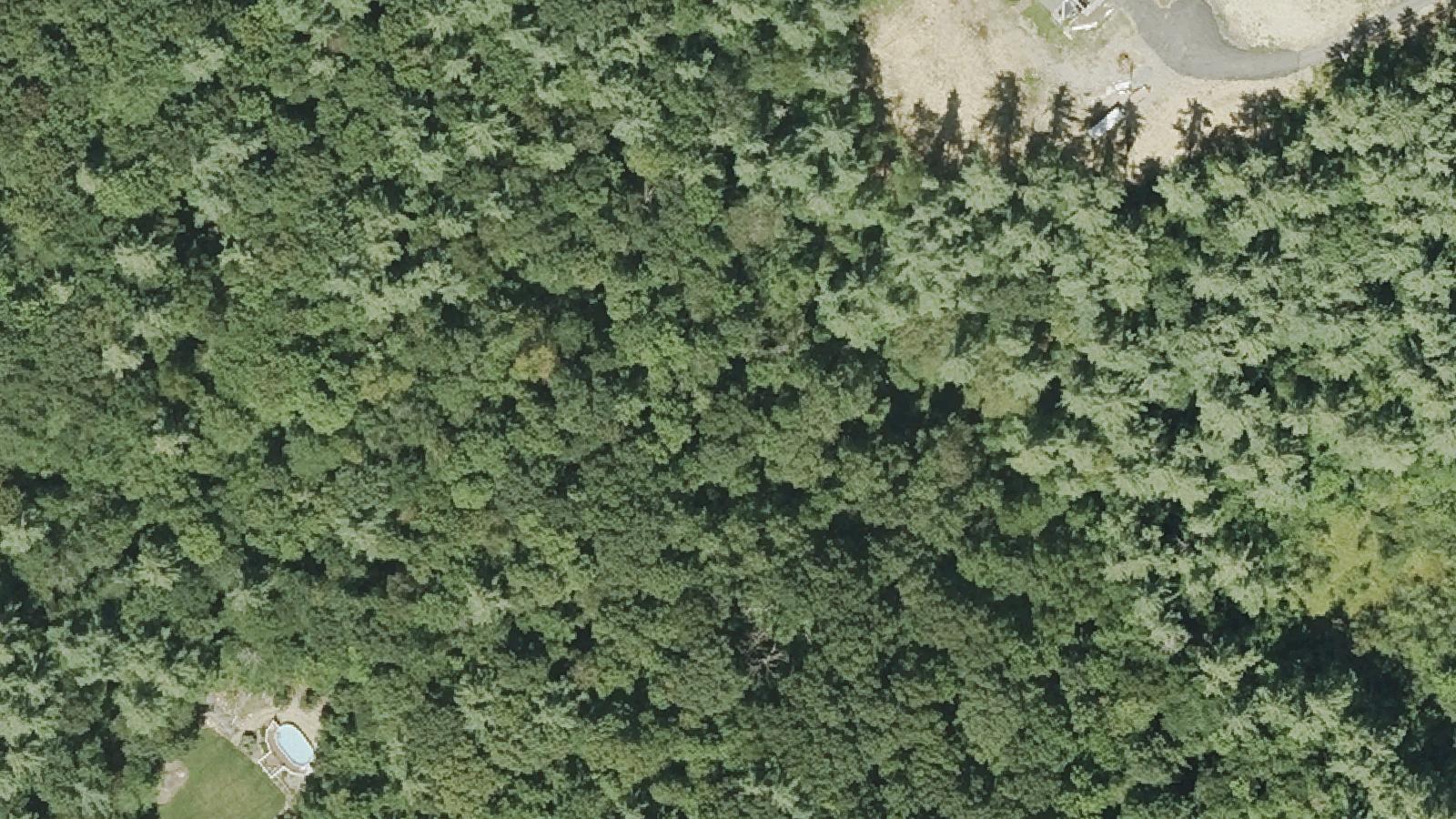
The Friends Cemetery in Leicester, Massachusetts dates to 1739; John Potter became the first person buried at the site of the Leicester Friends (Quaker) meeting. A small meetinghouse was built on the property in 1741 and replaced with a larger structure in 1791. The cemetery sits in a secluded woodland near the Kettle Brook Reservoir, reached by an unmarked dirt path that some maps label Earle Street, after one of the prominent family surnames found on the headstones.
The cemetery's distinctive low, black wrought-iron gates were installed in the 1890s following a bequest from Dr. Pliny Earle. The gate design was intended to represent the rays of the sun, but its appearance reminded observers of a spider's web, giving rise to the popular nickname 'Spider Gates.' Notable people buried in the cemetery include members of the Earle family, such as Pliny Earle, an early American inventor, and other locally prominent figures.
The cemetery remains privately owned and is still in use, maintained by the Worcester Friends Meeting. Over the years its eerie reputation drew trespassers, vandalism, and graffiti, and the original iconic gates were eventually removed (reported around 2022) after repeated incidents. Because it is an active religious burial ground on watershed land, the owner asks that visitors come only in daylight and act as they would at the burial place of friends and relatives, and the surrounding watershed land is posted against trespassing.
The cemetery is documented on Wikipedia, Find a Grave, and Atlas Obscura, and is one of the most frequently discussed 'haunted' cemeteries in New England folklore.
Sources
- https://en.wikipedia.org/wiki/Quaker_Cemetery
- https://www.atlasobscura.com/places/spider-gates-cemetery
- https://www.findagrave.com/cemetery/91488/quaker-cemetery
- https://bostonghosts.com/spider-gates-cemetery/
- https://veilwalkertours.com/spider-gates-cemetery-haunted-or-overhyped-my-honest-opinion
Legend of the 'Eighth Gate to Hell'Disembodied screams, howling, and children's laughter at nightEerie feelings and mysterious fogRumors of a 'hanging tree' and a 'River Styx' stream
According to widely circulated New England legends recounted by Atlas Obscura, Boston Ghosts, and numerous folklore sites, Spider Gates Cemetery is rumored to be one of several 'gates to hell' scattered across the country, with this site sometimes called the last or 'Eighth Gate.' The web-like gates and the cemetery's isolated woodland setting helped fuel these tales.
Other recurring elements of the lore include a so-called 'hanging tree' near the gates where a person is said to have died by suicide, a small stream at the back of the cemetery nicknamed the 'River Styx' after the mythological river of the dead, and claims of satanic rites supposedly held within its stone walls. Visitors have reported eerie feelings, mysterious fog, disembodied howling and screaming, and the sound of children laughing at night.
None of the supernatural claims is verifiable, and skeptical local writers have noted that much of the lore appears to be exaggerated campfire legend layered onto an ordinary, if atmospheric, Quaker cemetery. The dramatic reputation has unfortunately encouraged trespassing and vandalism at what remains an active, private religious burial ground. The folklore is presented here as cultural history, not as documented fact, and the site should be treated with respect rather than visited as a paranormal dare.