Est. 1830 · Among Earliest U.S. Free Public Libraries · 1906 Fire Reconstruction · Whaling and Abolition Archives · Former New Bedford City Hall
An act of the Massachusetts legislature on May 24, 1851, authorized New Bedford to establish a free municipal library. The New Bedford City Council passed the implementing ordinance on August 16, 1852, and the library opened to the public on March 3, 1853, making it one of the earliest tax-supported free public libraries in the United States. The initial collection drew on books and periodicals purchased from the earlier New Bedford Social Library, founded in 1807, which had previously absorbed the holdings of the Encyclopedia Society, the New Bedford Library Society, the New Bedford Athenaeum, and the New Bedford Lyceum.
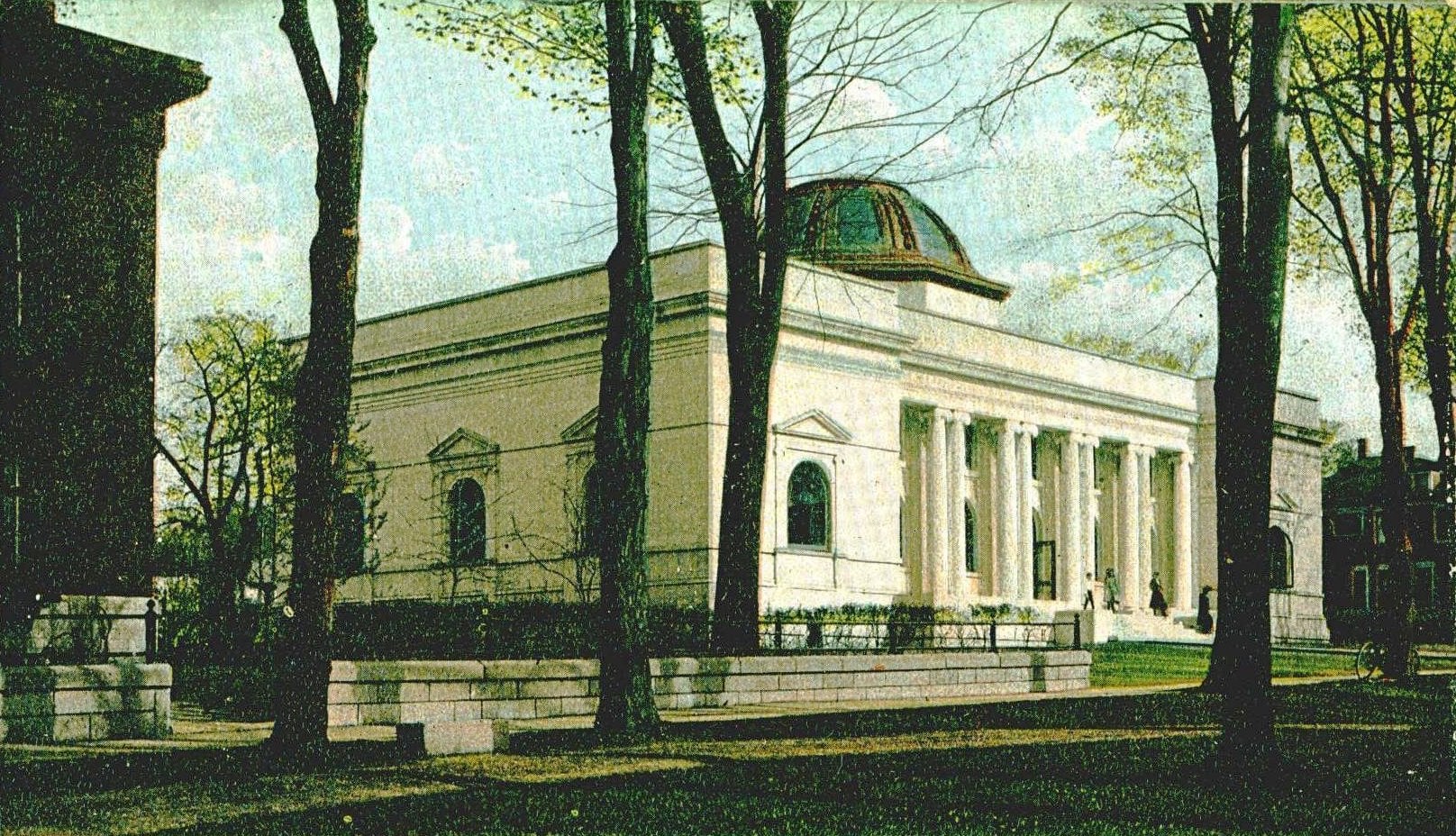
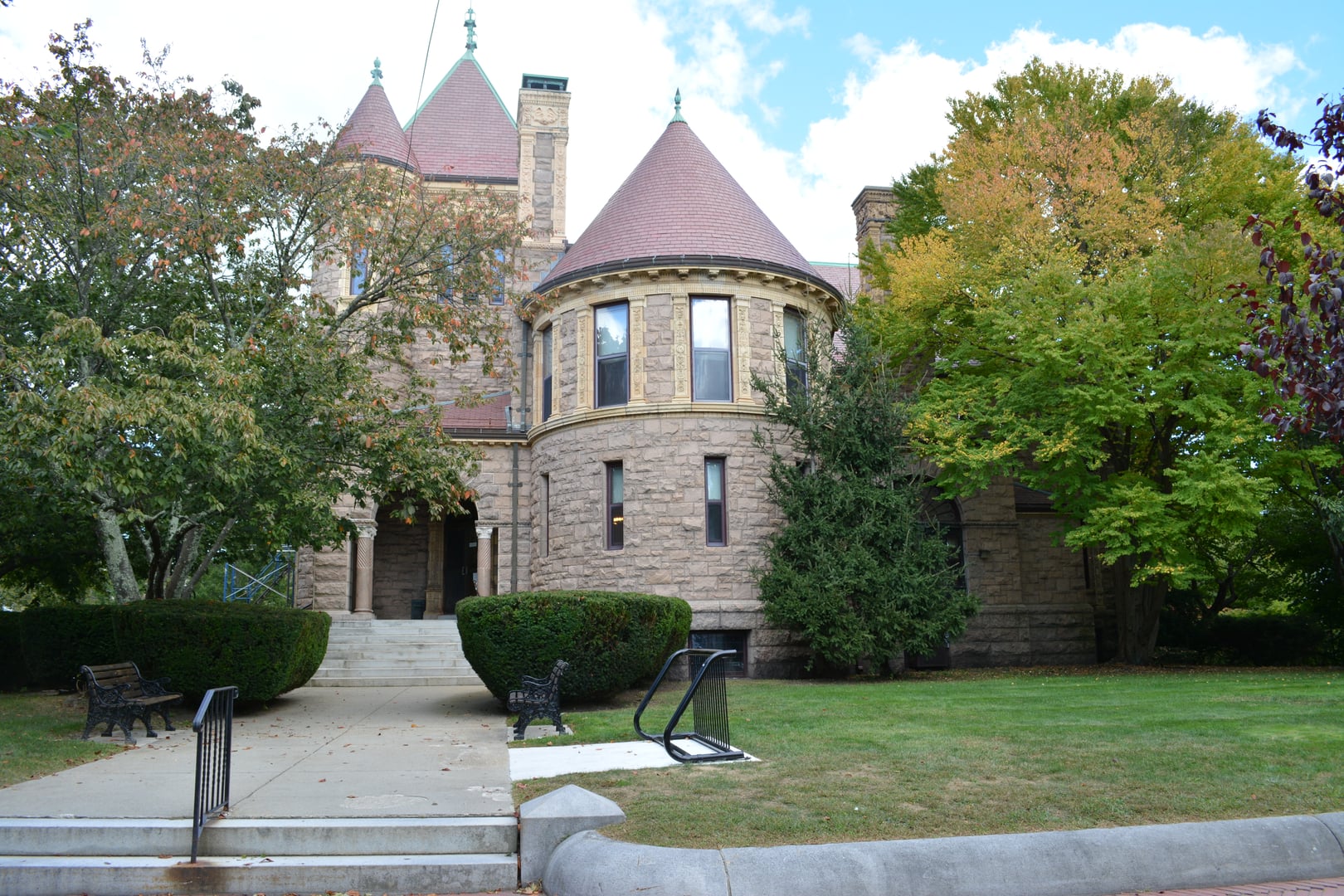
From 1857 to 1910 the library occupied the building now known as City Hall on William Street. In 1906, a fire damaged the original 1830s-era City Hall building on Pleasant Street, which had served as the city's municipal seat before housing the library. The building was reconstructed after the fire. In 1910, the institutions essentially swapped: the rebuilt Pleasant Street building became the library, and the prior library building became the new City Hall.
The library's Special Collections, envisioned by first librarian Robert C. Ingraham as a repository for local history and art, preserve significant materials on the whaling industry, the New Bedford Quaker community, and the city's role in the 19th-century abolition movement. The collection also includes a museum-quality assembly of fine art.
Sources
- https://www.newbedford-ma.gov/library/
- https://www.digitalcommonwealth.org/institutions/commonwealth:8s45qj93w
- https://chriswolak.com/2024/07/22/new-bedford-free-public-library-massachusetts/
ApparitionsSense of being watched
New Bedford Free Public Library lore is unusual among Massachusetts library hauntings in the specificity of the figures described. A 1999 former-employee account, often reprinted in regional collections, describes an older woman with dark hair streaked with gray and a heavy navy-blue coat seen in the children's picture-book room on the lower level. Subsequent reports from the reference area on the second floor describe a tall man with reddish-brown hair and a long tan coat, most often noticed near the microfilm cabinets. A separate set of janitor reports describes a woman wandering the third-floor administrative hallways during late evening or early morning hours.
The building's combined history as a 1830s city hall, a building damaged in the 1906 fire, and an active public library since 1910 provides ample historical context for the lore. The Shadowlands narrative attributing the activity primarily to the 1906 fire is partially consistent with the building's documented past, though the library itself was not the location burned; the fire occurred when the building was serving as City Hall.
The phenomena are generally described as benign. Staff oral tradition treats the figures as fixtures of the building rather than as threatening presences, in keeping with the long-standing American library-ghost pattern in which the institution's continuity of use generates persistent attachment to the building.