Est. 1892 · Medfield Insane Asylum — established 1892, NRHP-listed · Cemetery operated 1918–1988; 841 patients buried, originally under numbered markers only · 2005 Eagle Scout project restored markers and added patient names to all 841 graves · Part of Massachusetts's Victorian-era state psychiatric institution system
The Medfield Insane Asylum — later renamed Medfield State Hospital — was established in 1892 as part of Massachusetts's system of state psychiatric institutions. The campus was designed in the Kirkbride tradition of institutional architecture, with a central administration building flanked by patient wards arranged to encourage natural light and ventilation. The facility operated continuously from its opening until its 1903 formal opening as a patient-receiving institution.
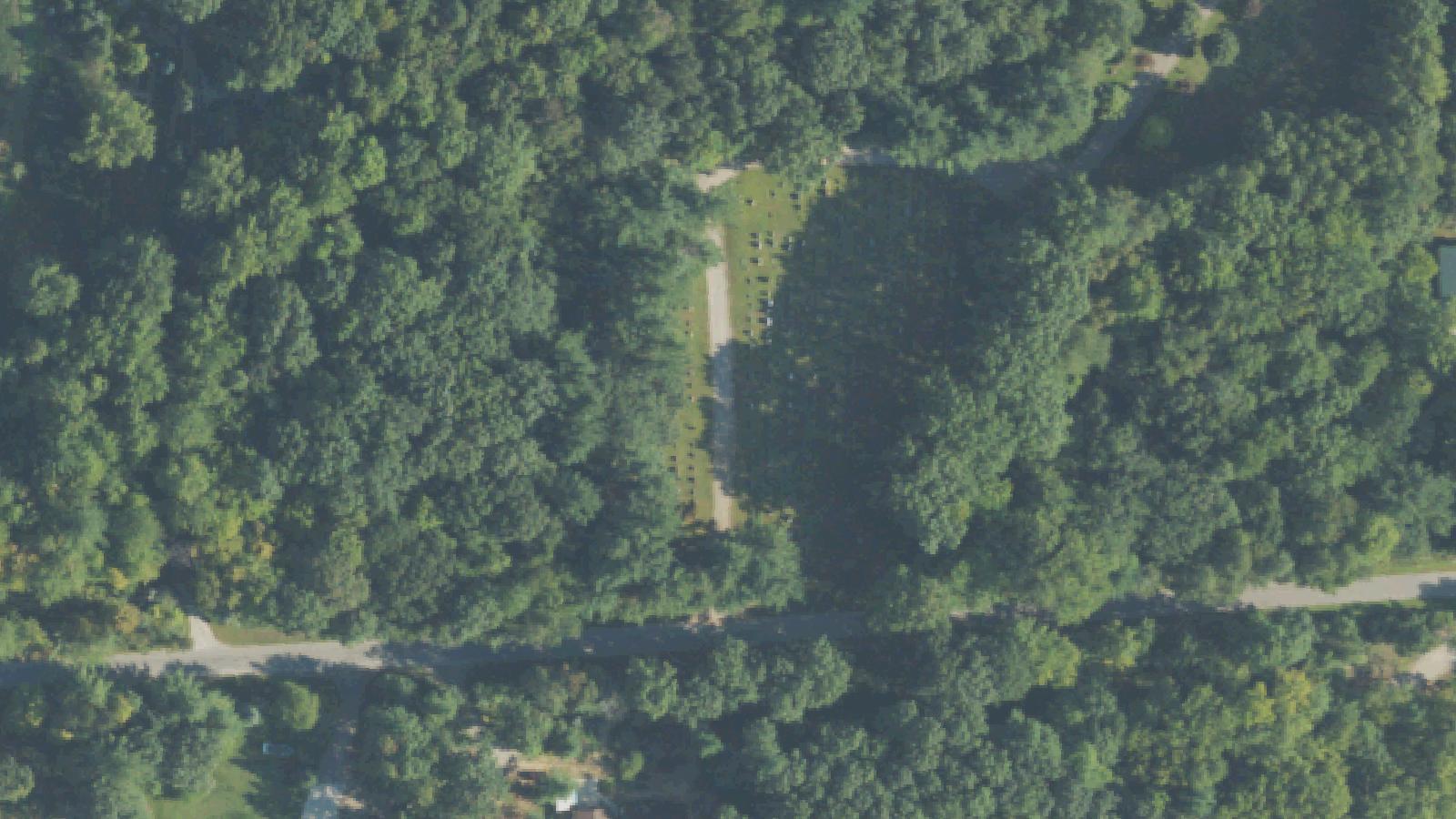
The hospital's on-grounds cemetery operated from 1918 through 1988, receiving the remains of 841 patients who died at the institution over seven decades. As was standard practice at Massachusetts state hospitals during this era, patients were buried under plain numbered concrete markers rather than headstones bearing their names. The practice reflected both the era's stigma around mental illness and the administrative conventions of large institutional cemeteries, where families often did not claim remains.
The cemetery fell into significant disrepair over the decades following the hospital's 1988 closure. By the early 2000s, the markers were overgrown and some were damaged. In 2005, an Eagle Scout project organized by a local Boy Scout troop undertook a systematic restoration of the cemetery: researching the identity of each numbered grave through hospital records and adding small plaques bearing each person's name, birth year, and death year to the concrete markers. The project returned individual identity to 841 people who had been buried without public identification.
The Medfield State Hospital campus is listed on the National Register of Historic Places. The property has been partially redeveloped in recent years; the town of Medfield has engaged in long-term planning for adaptive reuse of the surviving historic buildings.
Sources
- https://en.wikipedia.org/wiki/Medfield_State_Hospital
- https://www.nps.gov/places/medfield-state-hospital.htm
- https://locationsoflore.com/2018/09/01/medfields-abandoned-insane-asylum/
Weeping Woman apparition near cemetery and ward buildingsCold spots among the grave markersFeelings of oppressive weight or uneaseUnexplained sounds near the former patient wards
The Medfield State Hospital campus developed a paranormal reputation in the years following its 1988 closure, when the buildings stood abandoned and the grounds were accessible to urban explorers and local residents. The primary legend attached to the site is a 'Weeping Woman' — a figure reported near the cemetery and the former patient ward buildings, described as a woman in period dress, sometimes heard before she is seen, who disappears when approached.
The Weeping Woman is a recurring figure in New England asylum lore and her presence at Medfield has not been independently corroborated by named investigators or primary press accounts. She is documented in regional paranormal lore collections, including the Locations of Lore site, which covers the Medfield campus as part of Massachusetts's abandoned asylum circuit.
The cemetery itself generates independent reports of cold spots, feelings of oppressive weight, and general unease among visitors who walk among the restored numbered markers. The cemetery's history — 841 people buried without public identification for decades — provides a documented basis for the emotional and atmospheric weight visitors describe.
The campus was also used as a filming location for the 2001 film Session 9, which was shot at the former hospital and drew renewed public attention to the site's atmospheric qualities.
Notable Entities
The Weeping Woman (unidentified)
Media Appearances
- Session 9 (film, 2001) — filmed on campus
Where this legend is told