State Hospital Potter's Field · Massachusetts Psychiatric History · Numbered Patient Graves
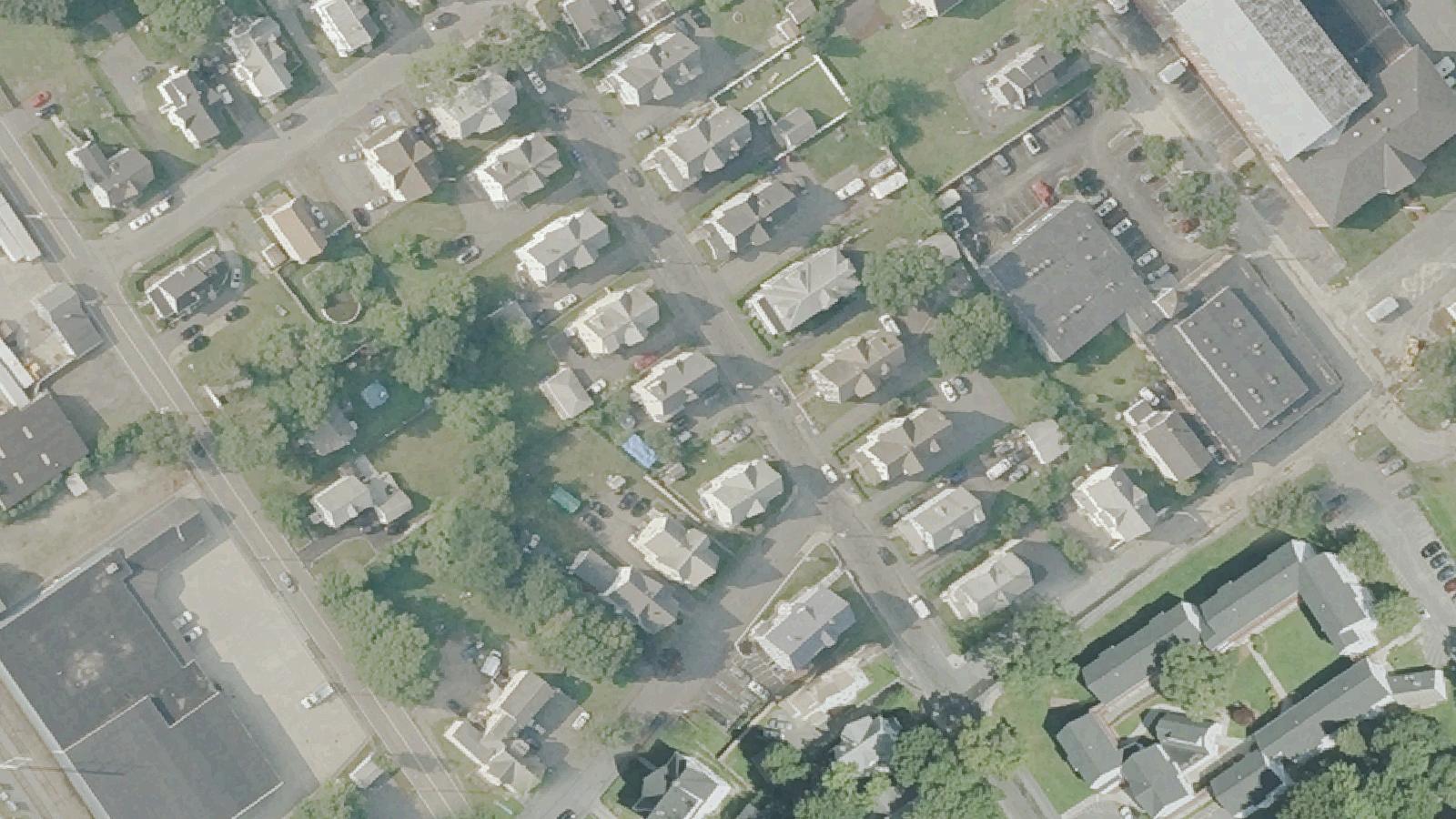
When the Taunton State Hospital opened in 1854 as Massachusetts's second state asylum, it operated, like its peers, as a near-self-contained community on a large farm. Over its long history many patients died while institutionalized, and a portion of them had no family able or willing to claim their remains. Those patients were buried in the hospital's burial ground at Mayflower Hill, off Hodges Avenue a short distance from the hospital grounds.
Rather than named headstones, many of these graves were marked only with small metal stakes bearing a number that corresponded to a patient record. The practice kept burial costs low and reflected the institutional anonymity that surrounded asylum death in that era; first-person accounts of the site describe rows of these numbered markers across the potter's field. Sources differ on exact counts, with regional histories of the hospital citing several hundred patient burials.
The cemetery is now read as a memorial landscape. Movements at former state hospitals across the country have worked to restore names to numbered graves and to acknowledge the people buried in them as individuals rather than case numbers. Mayflower Hill is approached here in that commemorative spirit: a place to remember Taunton State Hospital's patients, not a spectacle.
Sources
- https://www.suecoletta.com/taunton-state-hospital-spooky-research-trip/
- https://usghostadventures.com/haunted-stories/taunton-state-hospital/
Sense of presence
Visitors and writers who have walked Mayflower Hill describe the same thing first, the numbers. Marker after marker carrying only a figure where a name would be, each one a patient who died at the Taunton State Hospital and whose family, in the words of one first-person account, dropped them off and never returned, not even to claim their remains.
That is the heart of the site's reputation. The paranormal framing that attaches to it through ghost-tour writeups is a thin overlay on a much heavier reality: a potter's field full of people erased into case numbers. Out of respect, this entry foregrounds remembrance over reported phenomena. The most honest reason to come is to stand among the numbered markers and recognize that each one was a person.
The ground is a real cemetery. Visit during daylight, stay on the paths between rows, and leave the markers undisturbed.