Est. 1668 · National Historic Landmark District · First Period Architecture · American Literary Heritage
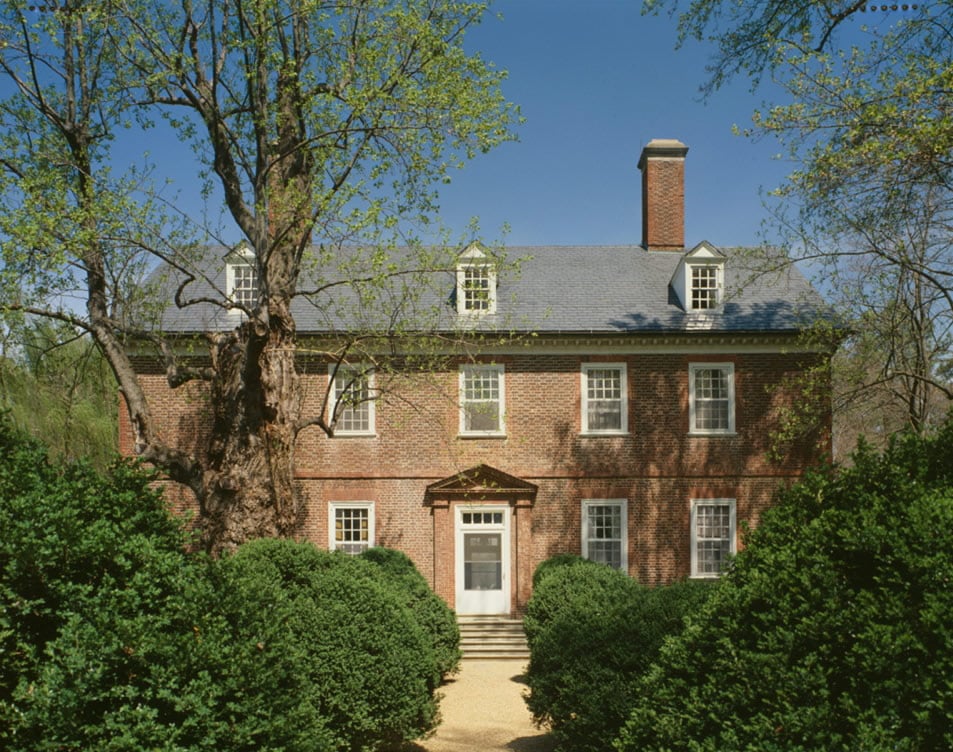
Sea captain and merchant John Turner constructed the earliest section of the house in 1668 on a tidal lot overlooking Salem Harbor. The structure grew with the Turner family's fortunes through three generations, eventually expanding to seventeen rooms and more than 8,000 square feet, with gables added in stages as wealth and need dictated.
When John Turner III lost the family fortune in the mid-eighteenth century, the property passed to Captain Samuel Ingersoll. The Ingersoll family remodeled the building substantially, removing several of the original gables in keeping with Georgian tastes. Susanna Ingersoll inherited the mansion and lived there into the mid-nineteenth century. Her younger cousin Nathaniel Hawthorne visited often, and her stories about the house and its history shaped the atmosphere of his 1851 novel.
In 1908, philanthropist and settlement-house worker Caroline O. Emmerton purchased the property. Working with Boston architect Joseph Everett Chandler, she restored the mansion between 1908 and 1910, reconstructing the missing gables and adding a secret staircase that visitors still climb today. Emmerton opened the house to the public as a museum whose admission fees would fund a settlement program for newly arrived immigrant families on Salem's waterfront.
The campus has grown over the decades. Hawthorne's birthplace was moved from Union Street to the property in 1958. The Retire Becket House, the Hooper-Hathaway House, and the Phippen House have also been preserved on the grounds. The site was designated a National Historic Landmark District in 2007.
Sources
- https://en.wikipedia.org/wiki/House_of_the_Seven_Gables
- https://7gables.org/historic-structures/
- https://savingplaces.org/places/the-house-of-the-seven-gables
- https://salemwitchmuseum.com/locations/the-house-of-the-seven-gables-turner-ingersoll-mansion/
- https://salemghosts.com/house-of-the-seven-gables/
- https://scaresagas.com/the-house-of-the-seven-gables/
- https://articlesofhorror.com/ghosts-of-the-house-of-the-seven-gables/
ApparitionsShadow figuresPhantom footstepsDoors opening/closing
The mansion's haunted reputation is tied less to documented tragedy on the premises than to its 350-year accumulation of family history and its proximity to Salem's witch-trial geography. Captain Turner died in the house in 1680 at the age of thirty-five. The Ingersolls lived and died here for generations. Nathaniel Hawthorne's literary imagination layered a fictional curse on top of the genuine Turner-Ingersoll history.
Guides and visitors have reported a recurring figure of a child on the upper floors, sometimes described as a young boy near the attic. Other accounts describe a woman in period dress on the second floor, often associated by local tradition with Susanna Ingersoll. Reports of unexplained sounds, doors opening, and brief shadow figures have circulated through staff oral history.
The house has become a regular subject of Salem ghost tours and paranormal television coverage during October's Haunted Happenings season. As with much of Salem, separating documented incident from accumulated folklore is difficult; the museum itself focuses its public programming on the literary and architectural history rather than the ghost lore.
Notable Entities
Susanna IngersollThe Boy in the Attic