Est. 1900 · Harriet Hosmer Legacy · Massachusetts Women's Art History · Watertown Educational Heritage
Harriet Goodhue Hosmer was born on October 9, 1830, at Riverside Street in Watertown, Massachusetts. Her father, Dr. Hiram Hosmer, a physician, encouraged her artistic interests from childhood, establishing a studio where she produced early sculptural work. Denied admission to anatomy courses at Boston Medical School — which would not enroll women — she traveled to St. Louis to study at Missouri Medical College before sailing for Rome in 1852.
In Rome, Harriet Hosmer gained entry to the studio of English sculptor John Gibson and attracted the patronage of wealthy American and British tourists. She became the most celebrated American female sculptor of the nineteenth century and is regarded as the first female professional sculptor in the United States. Her 1854 work Puck was so popular she replicated it thirty times. Her 1862 Zenobia in Chains toured internationally.
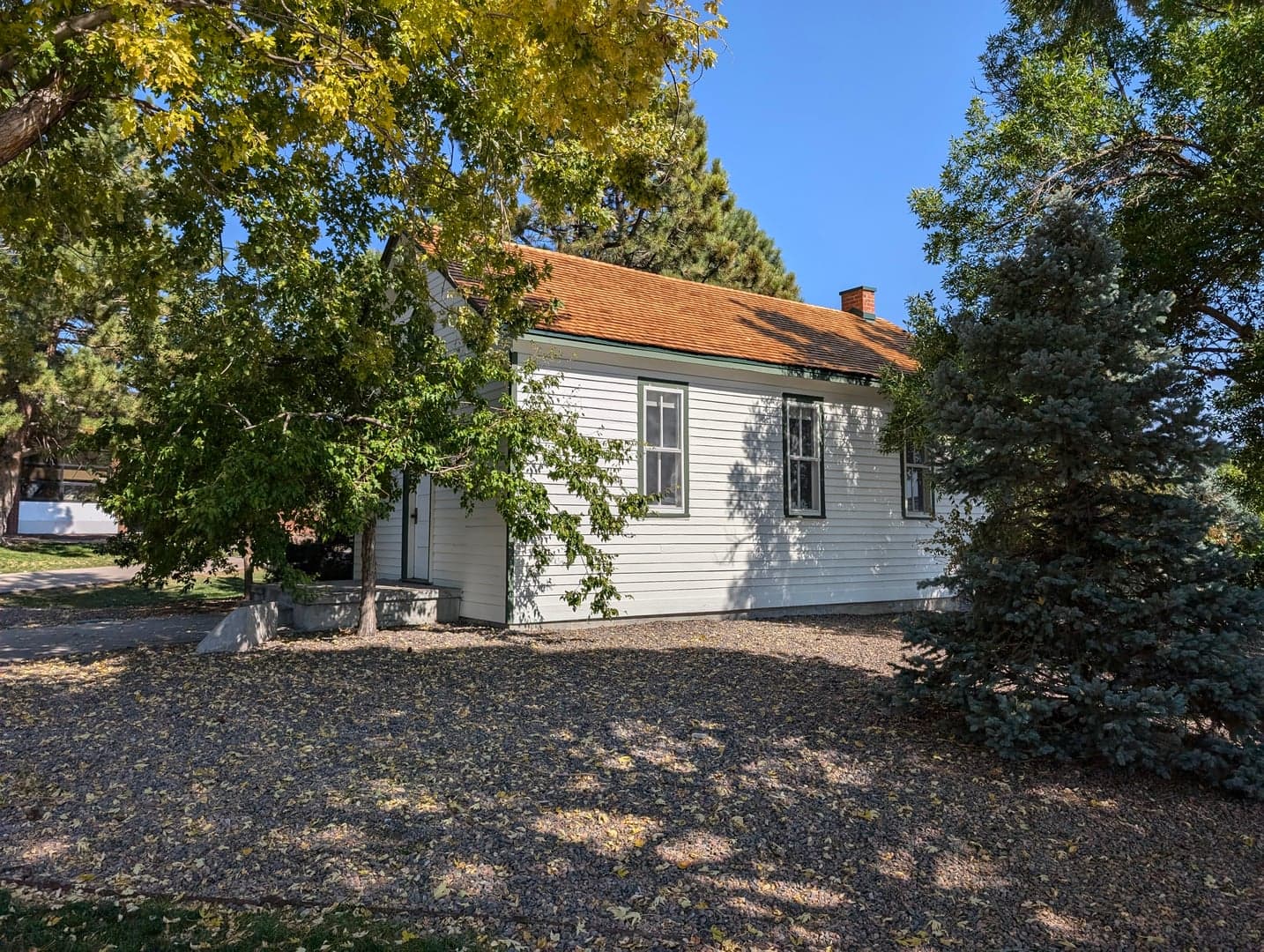
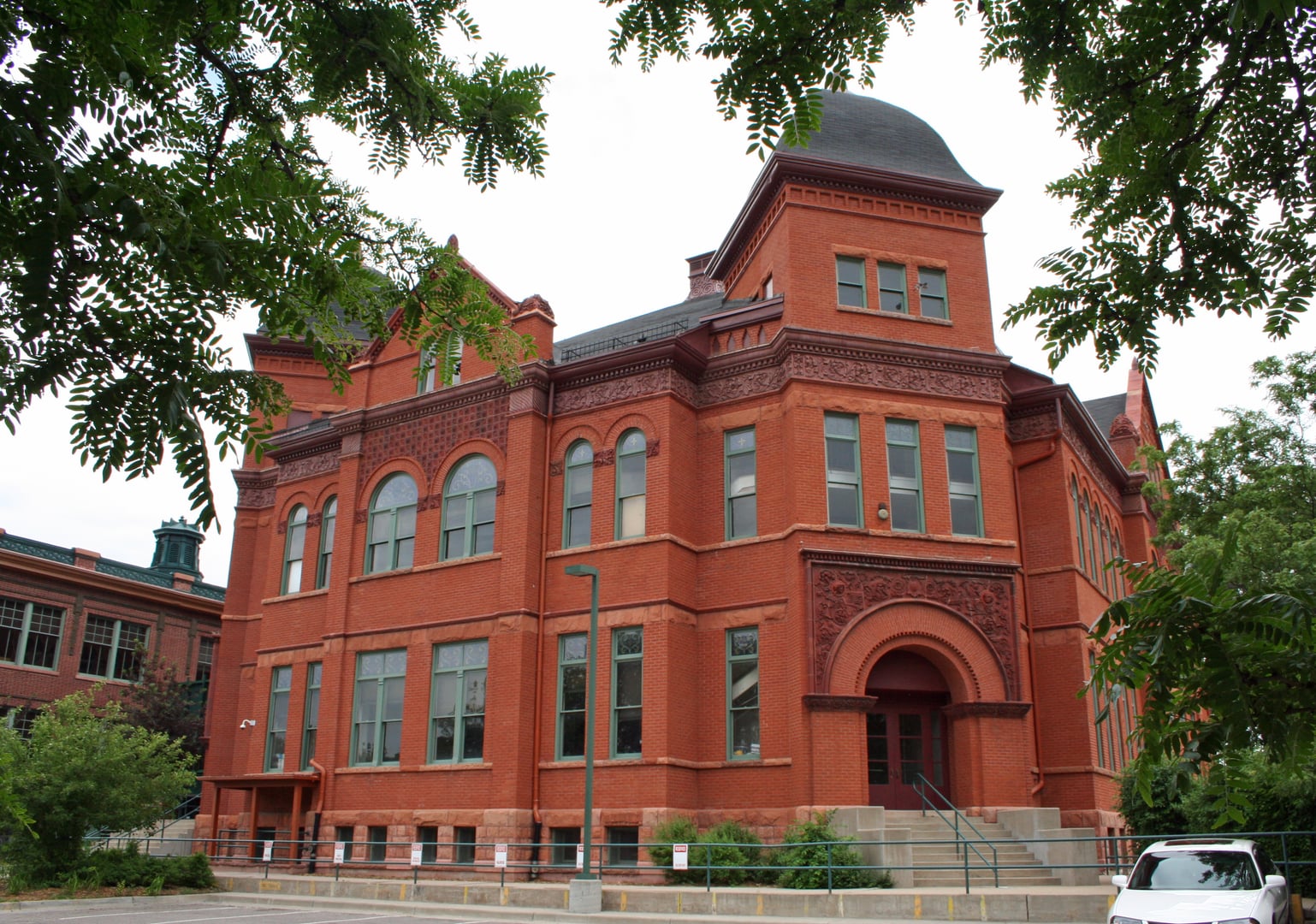
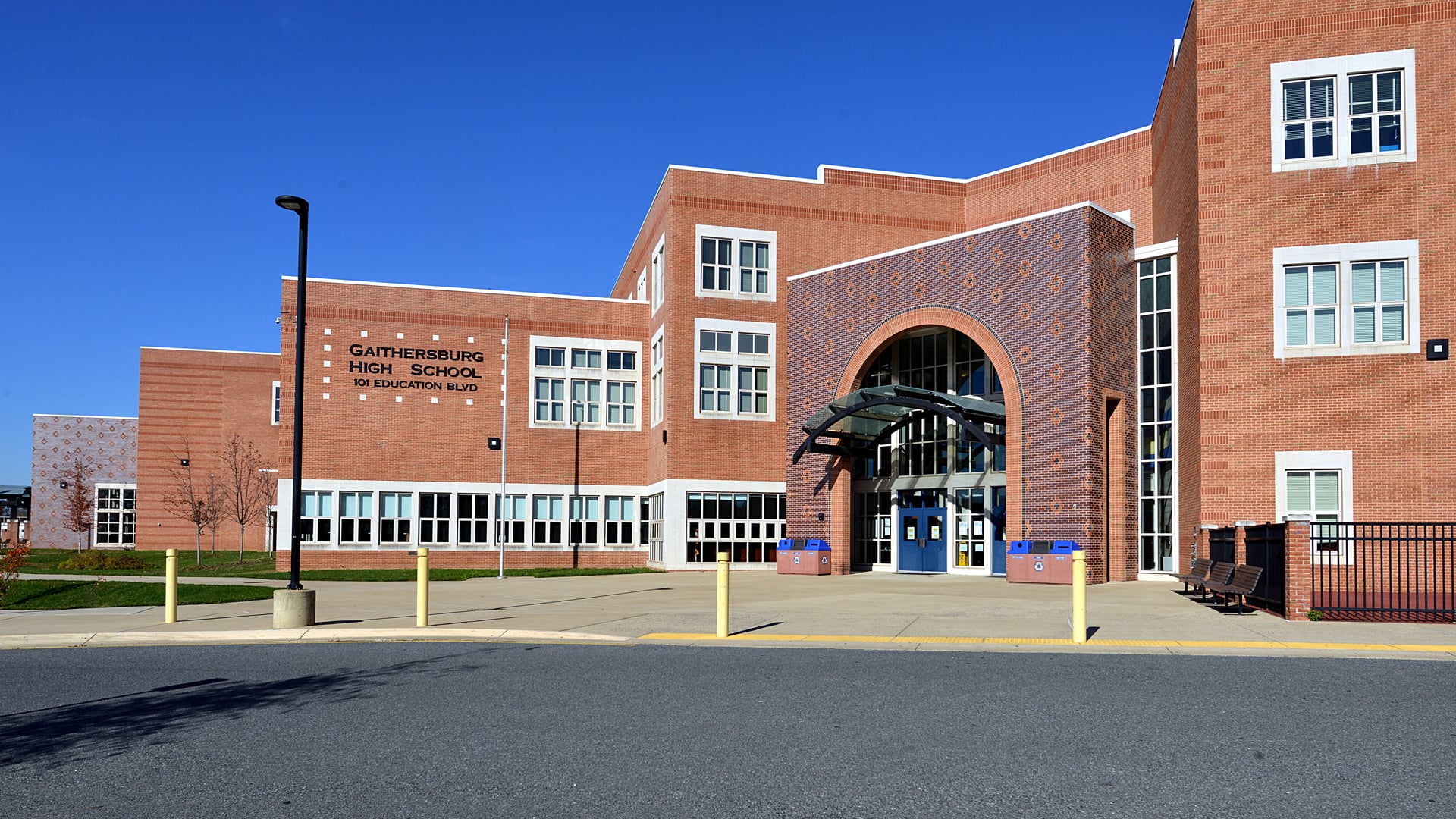
The Hosmer School was established in 1900 on land donated by Dr. Hiram Hosmer, built to relieve overcrowding in Watertown's east side schools. The school occupied the site for generations. A new building was opened in early 2022, and a rededication ceremony on February 1, 2022, formally expanded the school's name to include Harriet — honoring the sculptor who was born in the neighborhood the school serves.
The older portion of the school complex was converted into the Brigham House assisted living community, designed by noted architect Charles Brigham in 1912. The auditorium that connected the old and new school sections remains part of the complex.
Harriet Hosmer died at Watertown on February 21, 1908, and is buried in the family plot at Mount Auburn Cemetery in Cambridge.
Sources
- https://en.wikipedia.org/wiki/Harriet_Hosmer
- https://www.watertownmanews.com/2022/01/25/new-hosmer-to-be-rededicated-to-include-artist-harriet-lowell-school-moving-pair-of-interim-spots/
Sensed presence
The paranormal tradition attached to Hosmer School is unusual in its specificity: it names a known historical figure, buried a short distance away, as the source of reported unease.
Harriet Hosmer's grave at Mount Auburn Cemetery is less than two miles from the school that was established on her father's donated land. The tradition holds that she has not remained there — that her presence can be sensed in the school building and particularly in the auditorium that bridged the old and new sections of the campus. The older portion, converted to assisted living in the Brigham House facility, is also mentioned in some versions of the tradition.
No specific reported phenomena — no apparition described, no sounds documented — have been found in available sources beyond the general attribution. The tradition may reflect the community's deep familiarity with Hosmer's biography: she was a Watertown native who achieved international fame, died in the town she was born in, and whose work was visible in the Watertown Library in her lifetime. The line between community memory and haunting can be thin when the remembered person is sufficiently vivid.
Mount Auburn Cemetery, where Harriet Hosmer is buried, is a nationally significant historic landscape in its own right and a worthwhile addition to any itinerary that includes the Hosmer School neighborhood.
Notable Entities
Harriet Hosmer