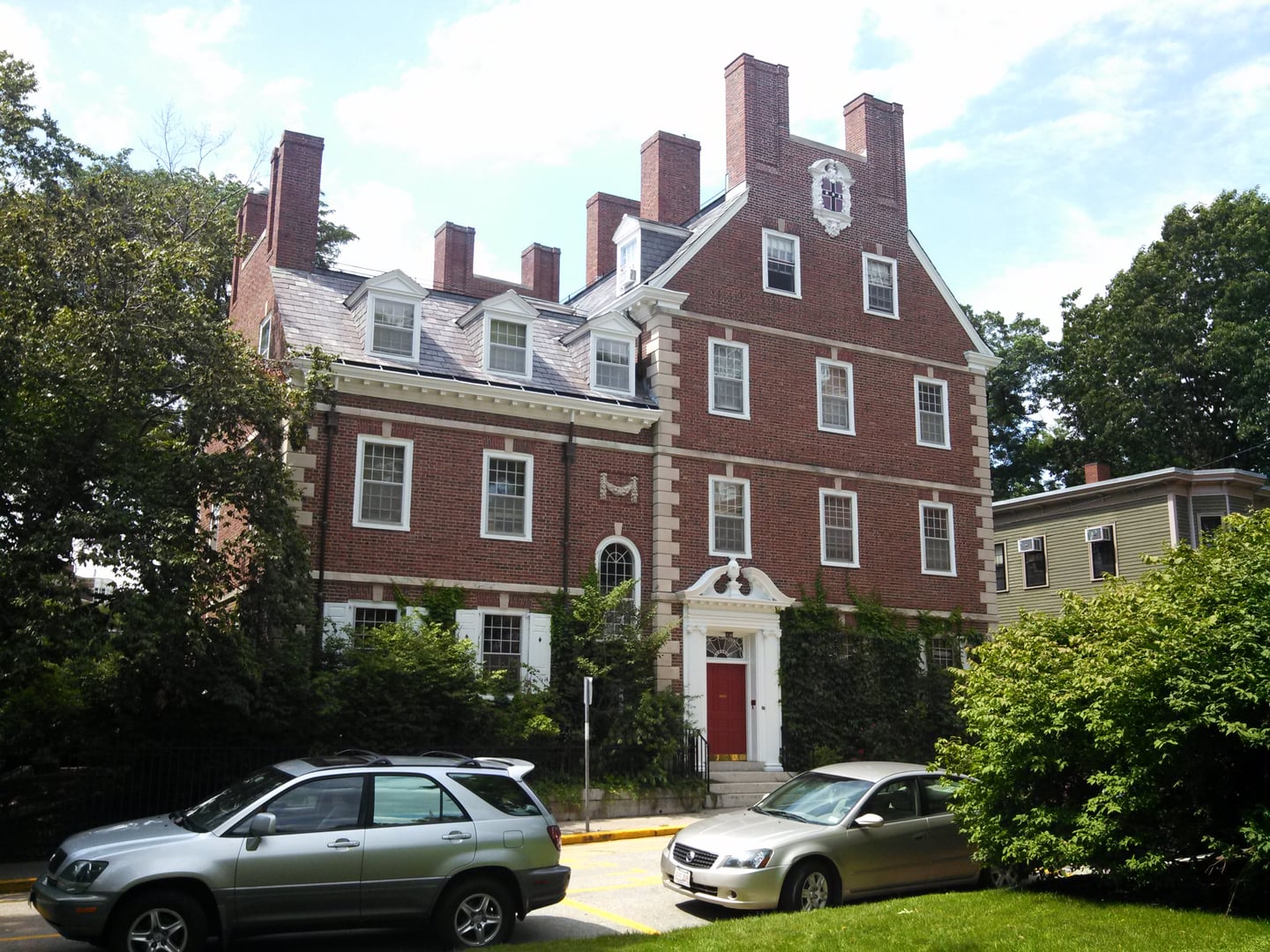
The paranormal reputation of Boston Conservatory's dormitory buildings centers on the location's former use as a hospital facility. Students and staff have documented numerous phenomena attributed to spirits of patients who perished at the hospital during the 19th century, particularly during eras when medical care involved high mortality rates.
Auditory phenomena are the most frequently reported phenomena. Students describe hearing distinct footsteps in dormitory hallways and individual rooms, often occurring during late evening and night hours when the buildings are occupied by sleeping residents. The footsteps are typically described as deliberate and purposeful, suggesting movement through familiar spaces rather than aimless wandering.
Door phenomena are among the most distinctive aspects of the haunting. Residents report doors that slam shut with considerable force despite no draft or wind present. More unusually, students describe doors that mysteriously resist unlocking, as if held by an external force, before suddenly flying open with intensity. This selective locking and unlocking phenomenon suggests intelligent control rather than mechanical malfunction.
Disembodied voices and whispers are regularly reported, particularly in older sections of the dormitory buildings. Student accounts describe hearing conversations in empty rooms, with voices speaking in tones suggesting urgency or distress. Some voices are heard speaking in what might be interpreted as medical terminology or instructions, consistent with a hospital setting.
Object displacement is another documented phenomenon. Students report personal items going missing from secured spaces, then reappearing in unexpected locations after hours or days. Clothing, books, and dormitory furnishings have been reported to move without apparent cause. Some accounts suggest the displacement is selective — items that belonged to or were associated with the former hospital are more likely to be moved.
The intelligence and targeting nature of some phenomena suggests possible poltergeist activity rather than simple residual haunting. Some students report that spirits react negatively to particular activities or disturbances, as if protective of their former institutional spaces. The activity is most concentrated in specific dormitory wings that likely housed the most intensive medical care during the hospital's operational period.
Anecdotal accounts from Boston Conservatory alumni consistently reference knowing other students with paranormal experiences at the dormitory, suggesting the phenomena are persistent across generations of residents. However, most accounts remain user-submitted anecdotes without independent verification or documentation.