Self-Guided Visit
Museum Visit
The Masur Museum of Art hosts rotating exhibitions of visual art in its 1914 Modified Tudor mansion building. Free admission to the permanent collection and special exhibitions.
- Duration:
- 1 hr
HauntBound archive · catalog record
Reported phenomena, as catalogued
A 1914 NRHP-listed Modified Tudor mansion turned northeast Louisiana's largest visual arts museum, featured in Monroe's annual Historic Haunts ghost tour event.
1400 S Grand St, Monroe, LA 71202
Research updated August 2026
Age
All Ages
Cost
$
Museum admission is typically free; Historic Haunts event tickets through masurmuseum.org
Access
Wheelchair OK
Historic mansion with grounds; check with museum for current accessibility details
Equipment
Photos OK
Est. 1914 · National Register of Historic Places · Modified Tudor Revival Architecture · Largest Visual Arts Museum in Northeast Louisiana · Historic Monroe Grand Street District
The building at 1400 S Grand St in Monroe was constructed in 1914 in the Modified Tudor Revival style, then common among prominent families in growing Louisiana cities. The structure is known as the Slagle-Masur House, reflecting its history as a private residence before its conversion to museum use.
The Masur Museum of Art has operated in the building since the mid-20th century and is recognized as the largest visual arts museum in northeast Louisiana. Its collection and programming have served the Monroe-West Monroe metropolitan area for decades, and the building was listed on the National Register of Historic Places in recognition of its architectural and historical significance.
The Grand Street neighborhood where the museum sits contains several historic structures from the same era, including Layton Castle and the Cooley House — all three of which are featured in the museum's annual Historic Haunts event. The event positions the museum within Monroe's broader historic preservation community.
Sources
The Masur Museum of Art's inclusion in the Monroe Historic Haunts event is documented through the museum's own programming — the tour is ticketed and sold directly through masurmuseum.org, with the museum as one of the organizing institutions. This gives the haunted reputation an unusual credibility layer: the venue itself participates in the framing.
The specific paranormal phenomena attributed to the museum building are not detailed in the sources available for this build. The Historic Haunts event covers three Grand Street properties — the Masur Museum, Layton Castle, and Cooley House — and the tour presumably addresses each building's history and associated lore in sequence.
The building's age, its history as a private residence, and its location in a neighborhood of contemporaneous historic structures provide the contextual foundation that ghost tour programming typically draws on. Without more detailed documentation of specific claims, the paranormal element here is best understood as institutionally acknowledged local lore rather than independently verified phenomena.
The Masur Museum of Art hosts rotating exhibitions of visual art in its 1914 Modified Tudor mansion building. Free admission to the permanent collection and special exhibitions.
Offered seasonally, the Monroe Historic Haunts event is a guided tour of three Monroe landmarks — the Masur Museum of Art, Layton Castle, and Cooley House — exploring each building's history and reported paranormal associations. Tickets available through masurmuseum.org.
Some links on this page may earn HauntBound a small commission when you book, at no extra cost to you. Our editorial picks are independent. Full disclosure
Every HauntBound history is researched from documented sources. We clearly separate verified historical fact from paranormal folklore.
Free Guide
11 verified stops, rated for families, mapped in order. Free.
One email to confirm, then the guide link. Unsubscribe anytime.
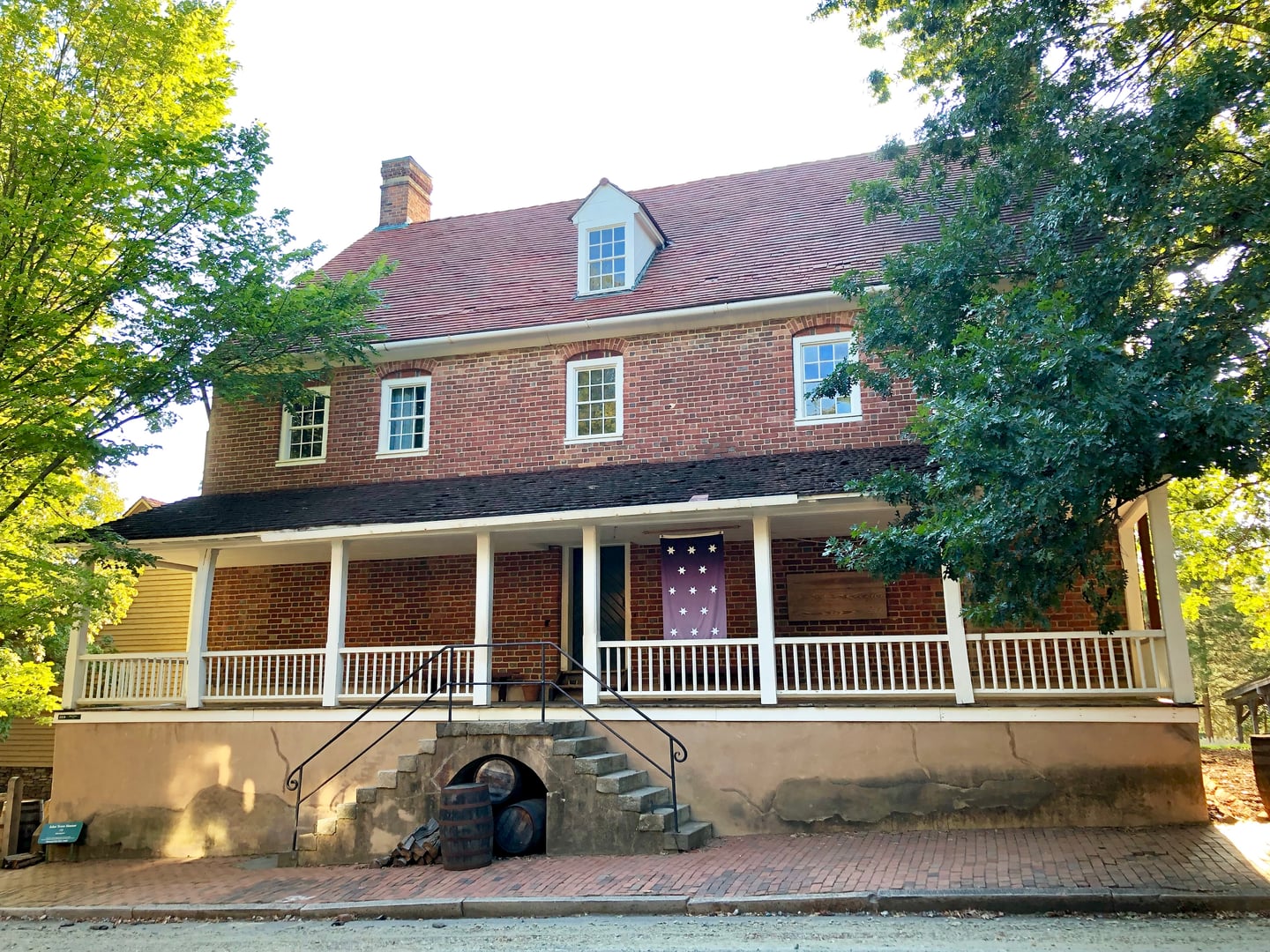
Winston-Salem, NC
The Salem Tavern was built in 1784 to serve travelers stopping in the Moravian settlement at Salem, North Carolina. The Moravian congregation built and operated the tavern — a common enterprise in Moravian settlements — as a source of revenue and a place of hospitality for outsiders. President George Washington lodged here in May 1791 during his Southern Tour, an event documented in his own diary.
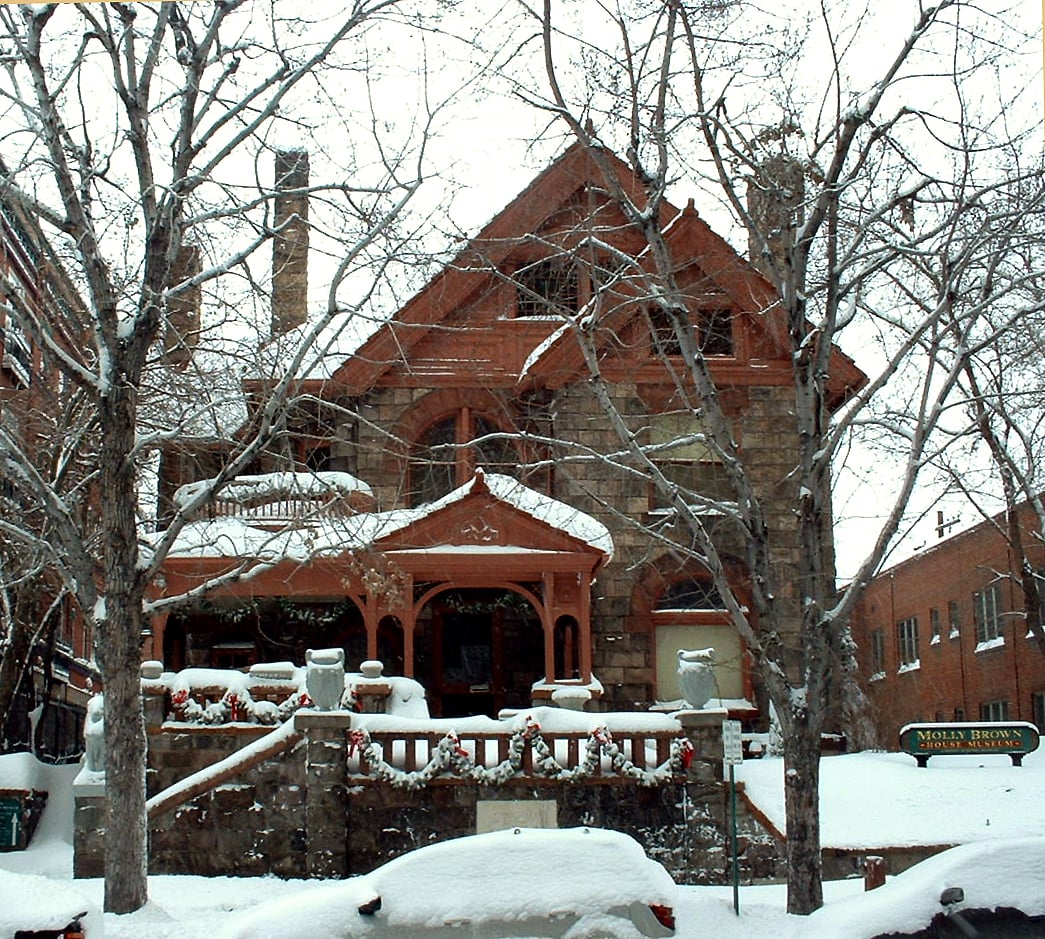
Denver, CO
The Molly Brown House in Denver was the home of philanthropist and Titanic survivor Margaret Brown from 1894 until her death in 1932. Designed by architect William A. Lang in 1889 in a mixed Queen Anne and Richardsonian Romanesque style, the house has operated as a museum under Historic Denver Inc. since 1971 after a public campaign saved it from demolition.
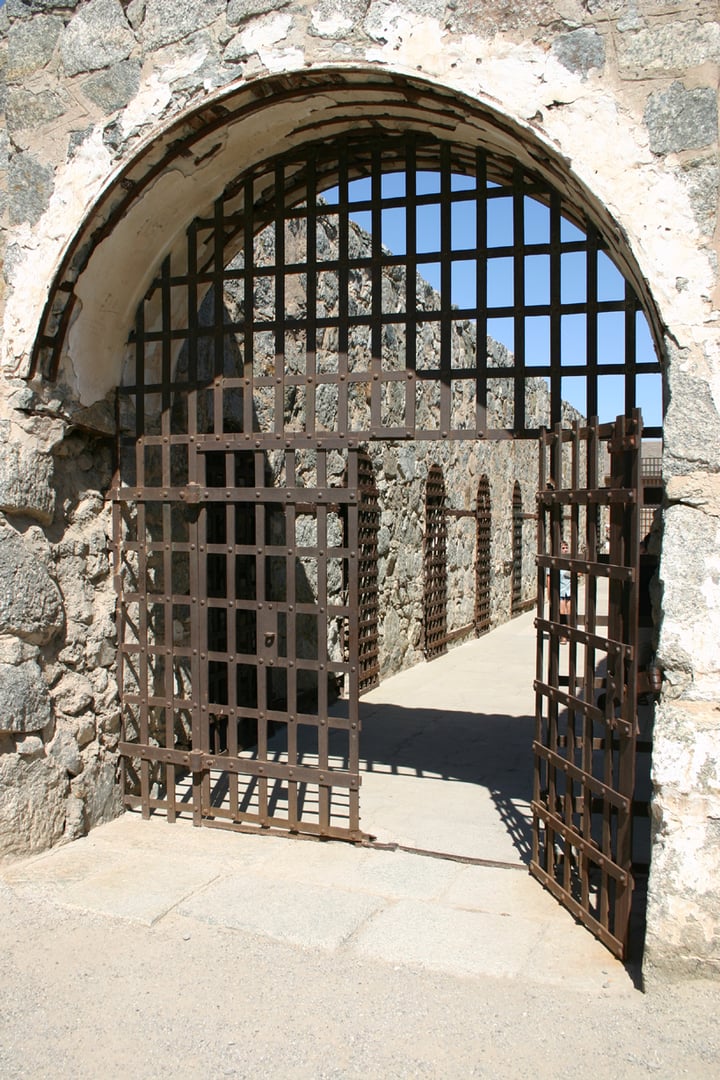
Yuma, AZ
Yuma Territorial Prison operated from 1876 to 1909 on a bluff overlooking the Colorado River in Yuma, Arizona. It held 3,069 prisoners during its 33-year operation, including 29 women. The facility became a state historic park and has been voted by USA Today readers as the Best Haunted Destination in the nation.