Toni Jo Henry Execution — Last Woman Electrocuted in Louisiana (1940) · 1910 Great Fire of Lake Charles · Southwest Louisiana Regional History Repository · Permanent Dark-History Interpretive Exhibit
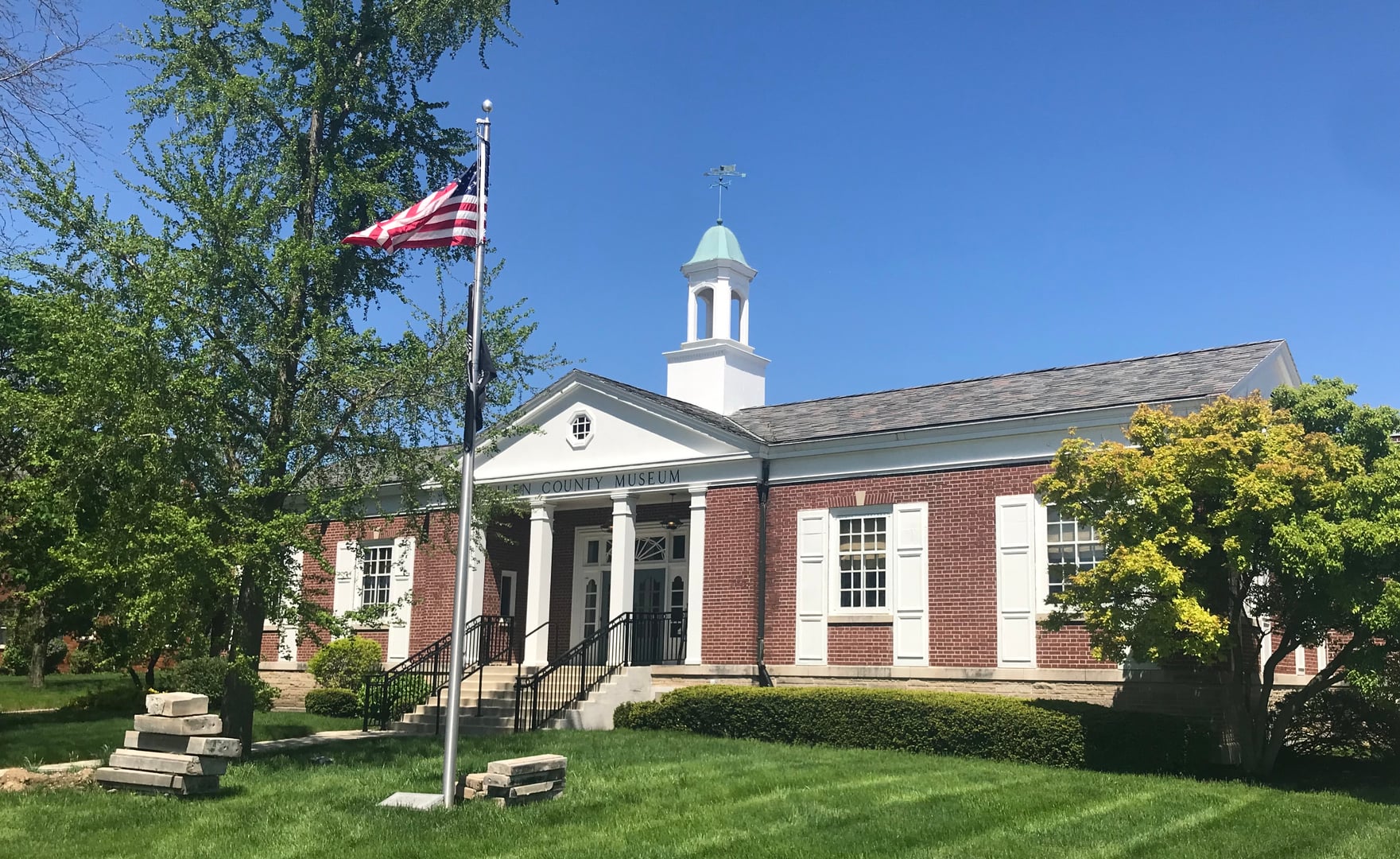
The Imperial Calcasieu Museum has operated in downtown Lake Charles as the regional history anchor for Southwest Louisiana, collecting and interpreting the history of Calcasieu Parish and the broader southwestern corner of the state. The museum occupies a building at 204 West Sallier Street and has been documented in local press as a central institution for the area's heritage.
The 'Haunted Histories' exhibit is a permanent installation that the museum describes as an 'immersive journey into the legends, lore, and lingering mysteries of Southwest Louisiana.' It draws on primary-source materials, firsthand paranormal testimonies from regional residents, and documented historical events to present the dark history of the area in interpretive form.
Among the events covered is the 1910 Great Fire of Lake Charles, which destroyed significant portions of the downtown business district and left a visible mark on the city's built fabric. The fire killed multiple people and reshaped development patterns in the urban core.
The exhibit also addresses the Toni Jo Henry case. Henry was convicted in 1940 for the murder of a soldier she shot at a roadside in St. Landry Parish while attempting to free her convicted-killer husband from prison. She was executed by electric chair — the last woman executed by electrocution in Louisiana — and her case attracted national press coverage at the time. The American Press, Lake Charles's local newspaper, covered the museum in both a 2025 feature and a 2026 article on the museum's downtown history tours.
Sources
- https://imperialcalcasieumuseum.org/exhibit/haunted-histories-3/
- https://americanpress.com/2025/05/31/the-informer-imperial-calcasieu-museum-reflective-of-local-history/
- https://americanpress.com/2026/01/15/311635/
Regional paranormal testimonies (collected, exhibited)Documented dark history with folkloric tradition
The 'Haunted Histories' exhibit at Imperial Calcasieu Museum takes an interpretive approach to Southwest Louisiana's paranormal tradition, grounding first-person accounts in the historical events and landscapes that produced them. Rather than presenting paranormal accounts as isolated incidents, the exhibit contextualizes them within the documented history of fires, executions, disasters, and conflicts that marked the region.
Firsthand paranormal testimonies collected from regional residents form part of the exhibit's primary materials. These accounts represent the living oral tradition of Calcasieu Parish — the kinds of experiences passed down in families and communities but rarely documented in institutional collections. The museum's decision to incorporate them as exhibit content positions the regional paranormal tradition as a legitimate object of historical inquiry rather than mere entertainment.
The Toni Jo Henry case provides the exhibit's most prominent true crime thread. Henry was young — in her mid-twenties at her 1940 execution — and her case involved romantic obsession, a desperate plan to free her imprisoned husband, and a killing on a rural Louisiana highway. The case generated enough regional notoriety to maintain presence in Calcasieu Parish memory for decades.
The 1910 Great Fire provides the disaster-history thread: a downtown conflagration that destroyed blocks of commercial buildings and killed residents. Fire is one of the more consistent generators of place memory in American cities, and Lake Charles's downtown retains awareness of the 1910 event as a defining moment in the city's development.