Est. 1870 · Barren County rural road-legend site · Post-Civil War rebuilt creek crossing
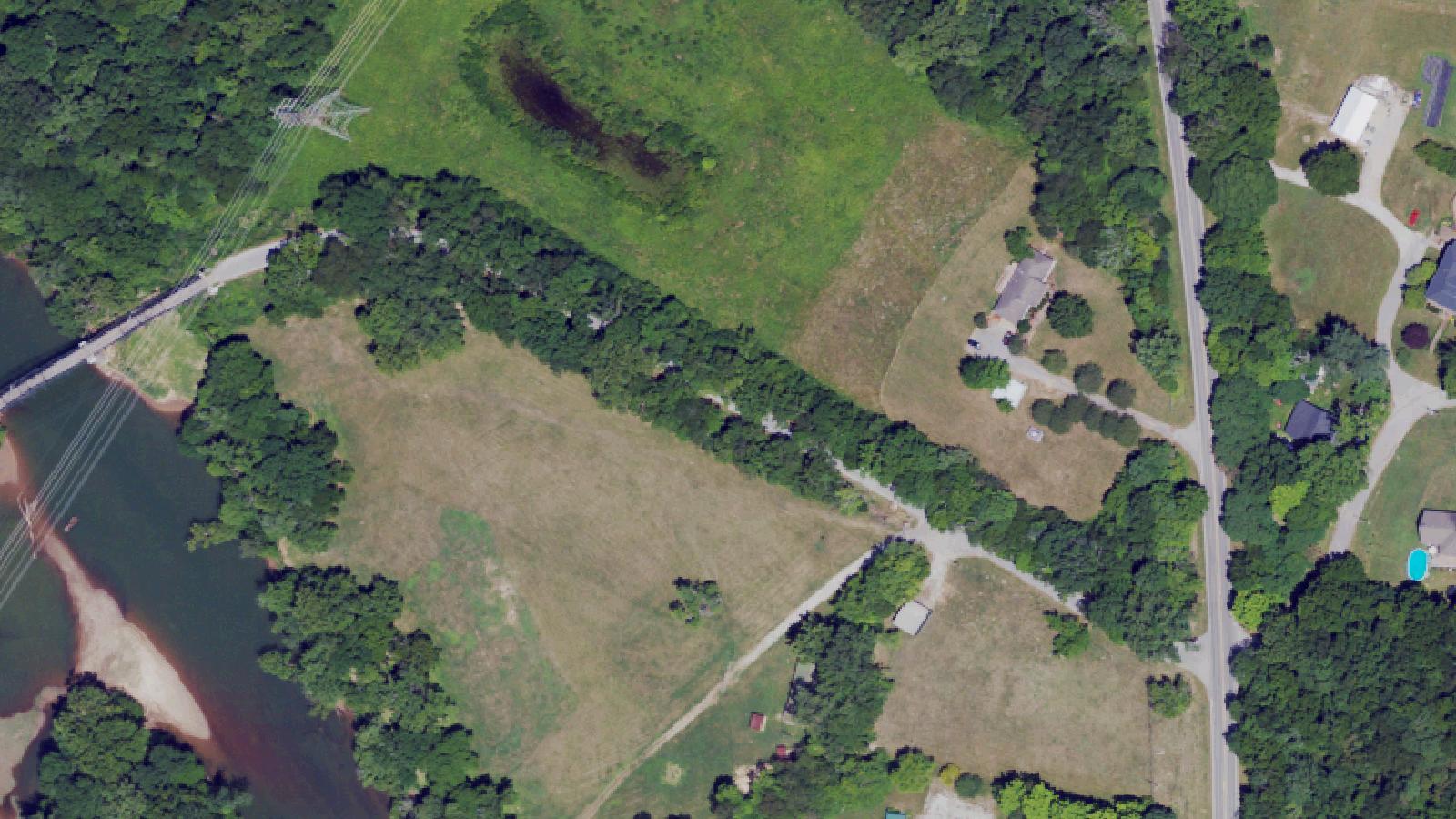
Slash Bridge carries Old Munfordville Road across Beaver Creek in the rural country north of Glasgow, the seat of Barren County in south-central Kentucky. According to local history collected by the Urban Legends of Barren County project, the original crossing at this point was a wooden covered bridge. In the post-Civil War era it was rebuilt as a steel-frame structure with a wooden deck, the form by which most twentieth-century residents knew it.
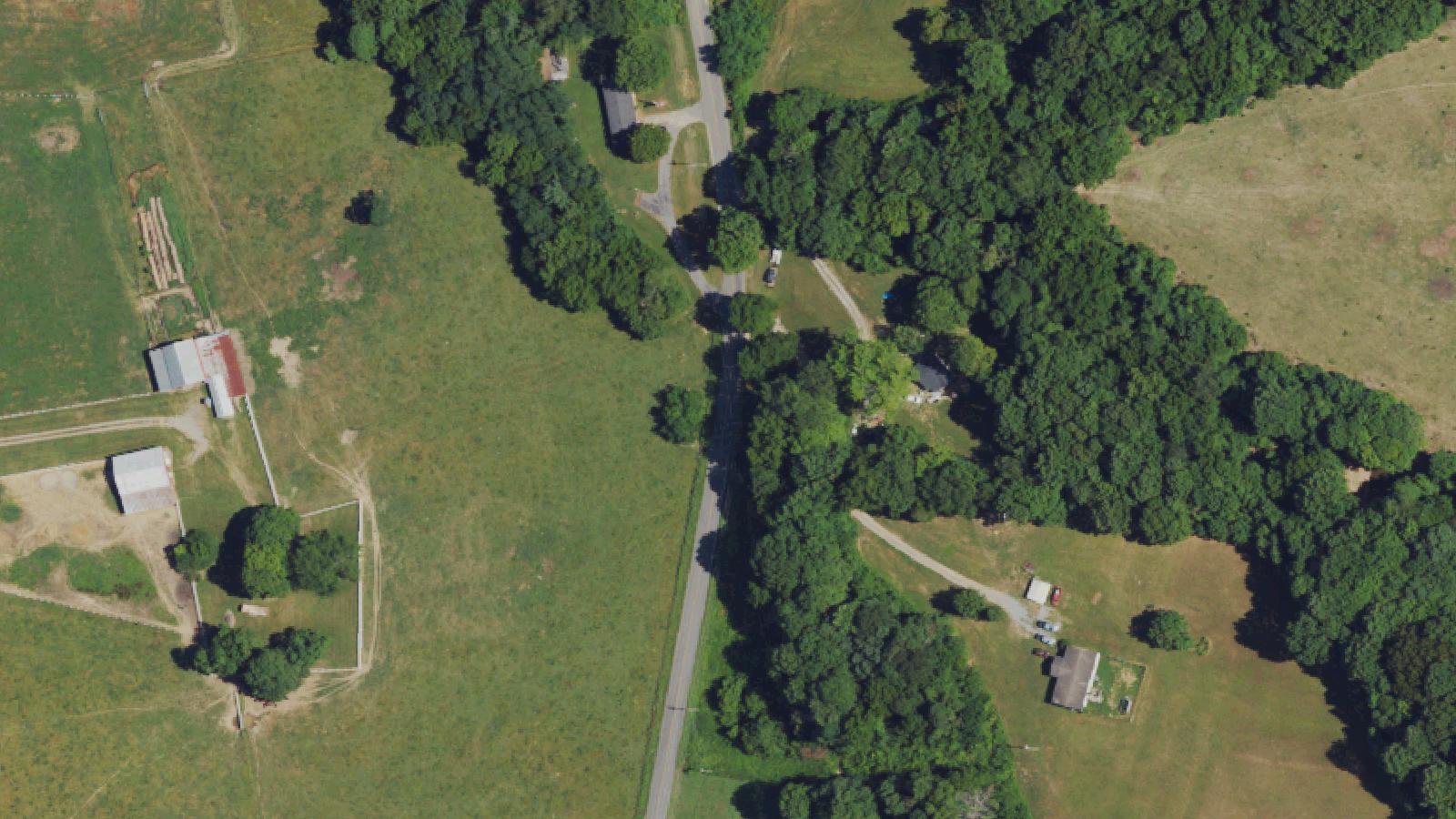
The crossing sits in a secluded, heavily overgrown stretch of the Beaver Creek bottoms. The south approach is reached by crossing an open field, and the banks on either side are choked with brush. Streetlights installed at the two ends of the bridge are reported by local accounts to flicker and cut out intermittently, a quirk that has been folded into the site's reputation.
No specific documented historical tragedy has been tied to the bridge in newspaper or court records. The Urban Legends of Barren County researcher who compiled the most detailed account of the site states plainly that none of the dramatic incidents attached to it appear to be based on true events. The bridge's significance is therefore folkloric: it is one of the best-known legend-tripping destinations in Barren County, where generations of local teenagers have grown up hearing and retelling its stories.
Beaver Creek itself is a recreational waterway today, with a designated blueway paddling trail and public access points in the Glasgow area, though those amenities are separate from the secluded legend-bridge crossing.
Sources
- https://urbanlegendsofbarren.wordpress.com/2011/09/28/the-axeman-cometh/
- https://www.hauntedplaces.org/glasgow-ky/
- https://www.explorekentucky.us/beavercreekbluewaytrail-glasgow-ky
Phantom soundsDisembodied axe and splash soundsApparitionsEquipment / streetlight malfunction
The central Slash Bridge legend, as recorded by the Urban Legends of Barren County project and repeated across regional haunted-places indexes, holds that in the early 1800s a wealthy local family kept enslaved people on a farm near the crossing. In the most-told version, one enslaved man, in a moment of rage against the man who held him captive, took the family's young daughter to the bridge and killed her with an axe before throwing her body into the creek. According to the legend, a visitor who parks on the bridge at night, switches off the engine, and rolls the windows down may hear the sound of an axe striking a chopping block followed by a heavy splash.
This legend should be read as folklore rather than history. It belongs to a widespread family of American 'headless bride / axe at the bridge' road legends, and no documented murder of this kind appears in Barren County records. The chattel-slavery framing in particular reflects the way nineteenth- and twentieth-century folklore projected racial anxieties onto the landscape; the story is presented here as a cultural artifact, not as an account of a real crime or a real person. The local researcher who documented the site noted that the recurring 'axe' sound was eventually traced to an old well pump at a nearby house.
Other tellings have accreted around the same crossing. One describes a headless rider who comes down the creek bed toward the bridge carrying an axe, with the sound of hooves on the rocks audible at night. A more recent account, set in the 1990s, describes a young woman in a white sundress who drowned when her car was swept off the road during a flash flood and is now seen walking near the water. The flickering streetlights at each end of the bridge are commonly cited as the most reliably 'paranormal' feature of a visit.
The accumulation of these stories over generations has made Slash Bridge one of the most durable legend-tripping sites in the Glasgow area, even as local documentation makes clear that the underlying events are not historical.
Notable Entities
The Slash MonsterThe axe-murder victimThe white-sundress drowning victim