Owensboro Public Museum History · Daviess County Cultural Heritage
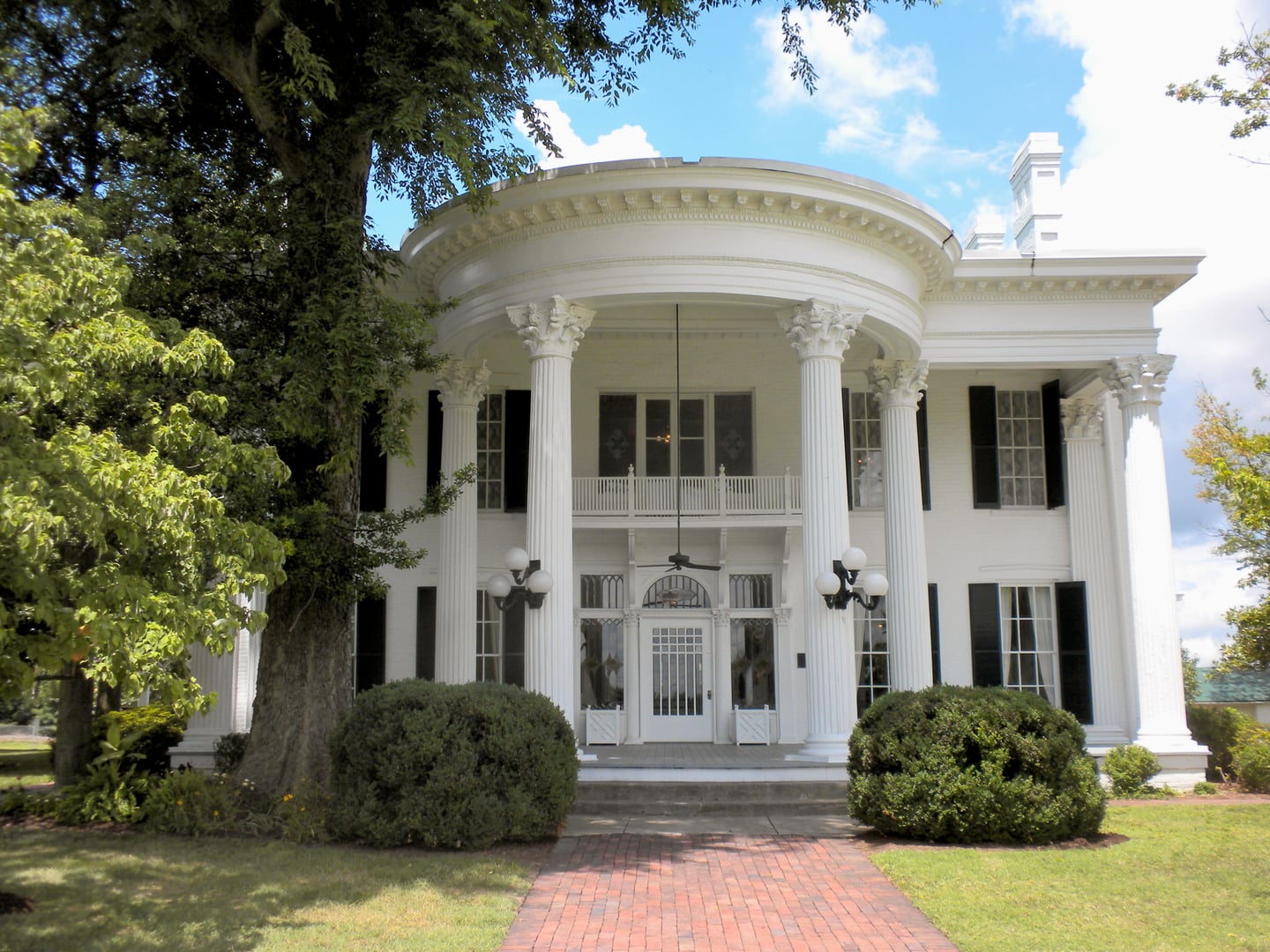
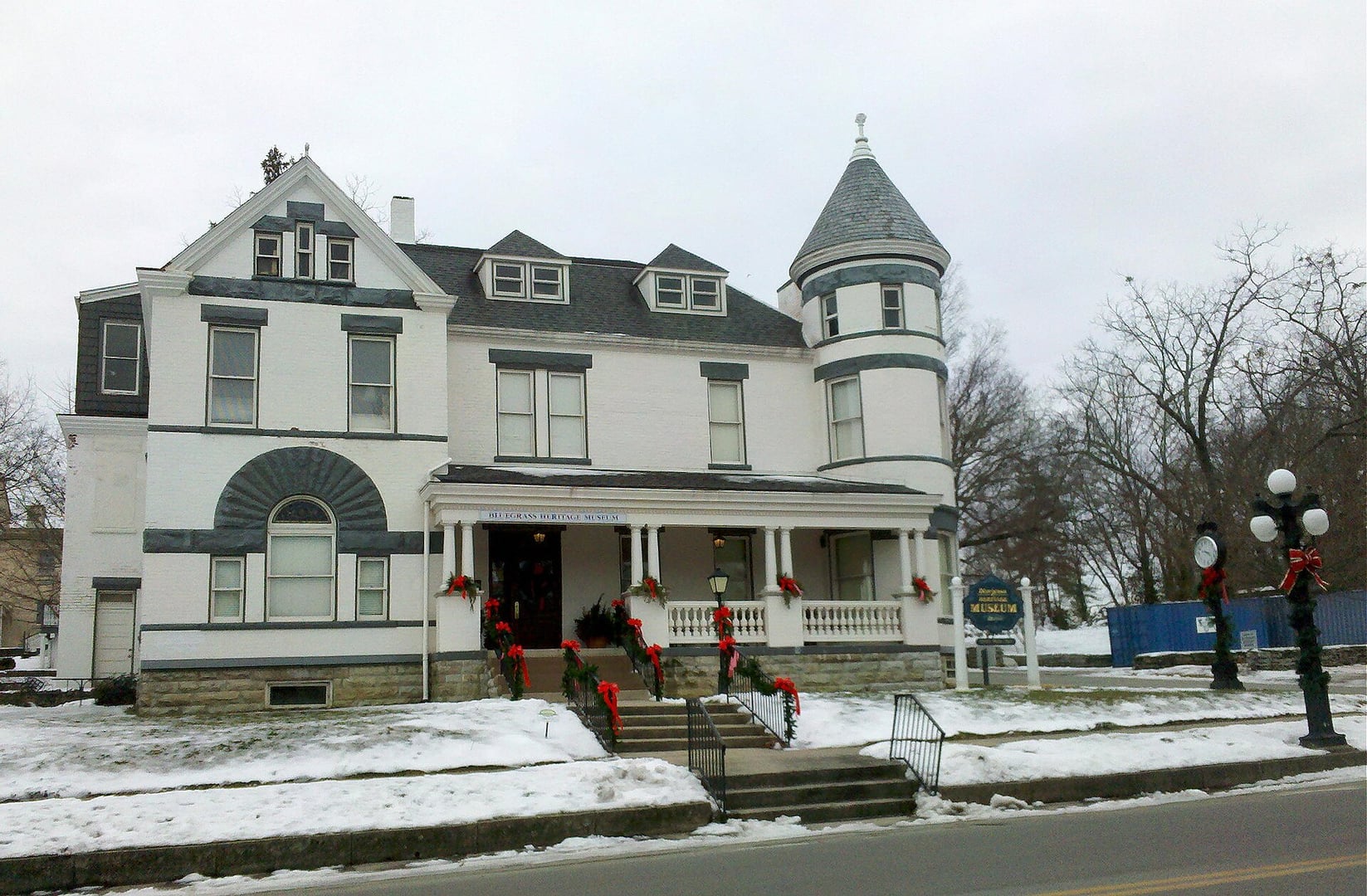
The Owensboro Museum of Science and History occupies a building in the Daviess Street corridor of downtown Owensboro, near both the RiverPark Center and the Daviess County Courthouse. The museum's collections cover natural history, regional heritage, and science programming for local schools and families.
The building's paranormal reputation rests on accounts from multiple sources, including Owensboro police officers who responded to security alarm calls at the facility. According to WBKR, officers found images on the building's surveillance footage that could not be explained, and the elevator — without any detected mechanical malfunction — summoned itself during an alarm response. These accounts, coming from law enforcement rather than ghost-tourism sources, gave the museum's haunted reputation unusual credibility in local coverage.
Additional reports from staff describe self-activating faucets in the building's restroom areas and a persistent shadowy figure described as resembling a young man that appears specifically in the area staff refer to as the 'shadow room.' Visit Owensboro included the museum on its 2022 round-up of Owensboro haunted sites, and WBKR has listed it among the five most haunted places in the city.
Sources
- https://owensboromuseum.org/
- https://visitowensboro.com/2022/10/haunted-places-to-check-out-in-owensboro/
- https://wbkr.com/the-five-most-haunted-places-in-owensboro-video/
Apparition images on surveillance footageElevator self-operating during police alarm responseSelf-activating faucetsShadowy figure of young man in shadow room
The accounts at the Owensboro Museum of Science and History are notable for involving multiple independent observers. Police officers responding to security alarms — a skeptical audience by professional disposition — reported finding footage of apparitions on the surveillance system and observed the elevator move without being called. Neither incident was attributed to mechanical failure in the accounts that surfaced in local media.
Staff inside the building have described two recurring phenomena: faucets that activate without anyone nearby, and a shadowy figure consistently associated with the 'shadow room,' a space within the museum. The figure is described as resembling a young man but without enough resolution or duration to establish identity or time period.
The concentration of multiple phenomenon types — surveillance footage, a self-operating elevator, autonomous fixtures, and a recurring shadow figure — gives the museum's reputation more internal consistency than venues where a single type of activity is reported. Whether that reflects genuine anomaly or reporting confirmation bias, the pattern has been stable enough across sources to place the museum in Owensboro's established haunted landscape.
Notable Entities
Shadow Man