Appalachian Cemetery Heritage · Jackson County Settlement History
Jackson County, Kentucky was formed in 1858 from portions of Clay, Estill, Laurel, Madison, Owsley, and Rockcastle counties — a late addition to Kentucky's county map that reflects the slower settlement of the eastern highlands. Annville sits in the county's interior, accessible via a network of state routes that follow creek drainages through the plateau.
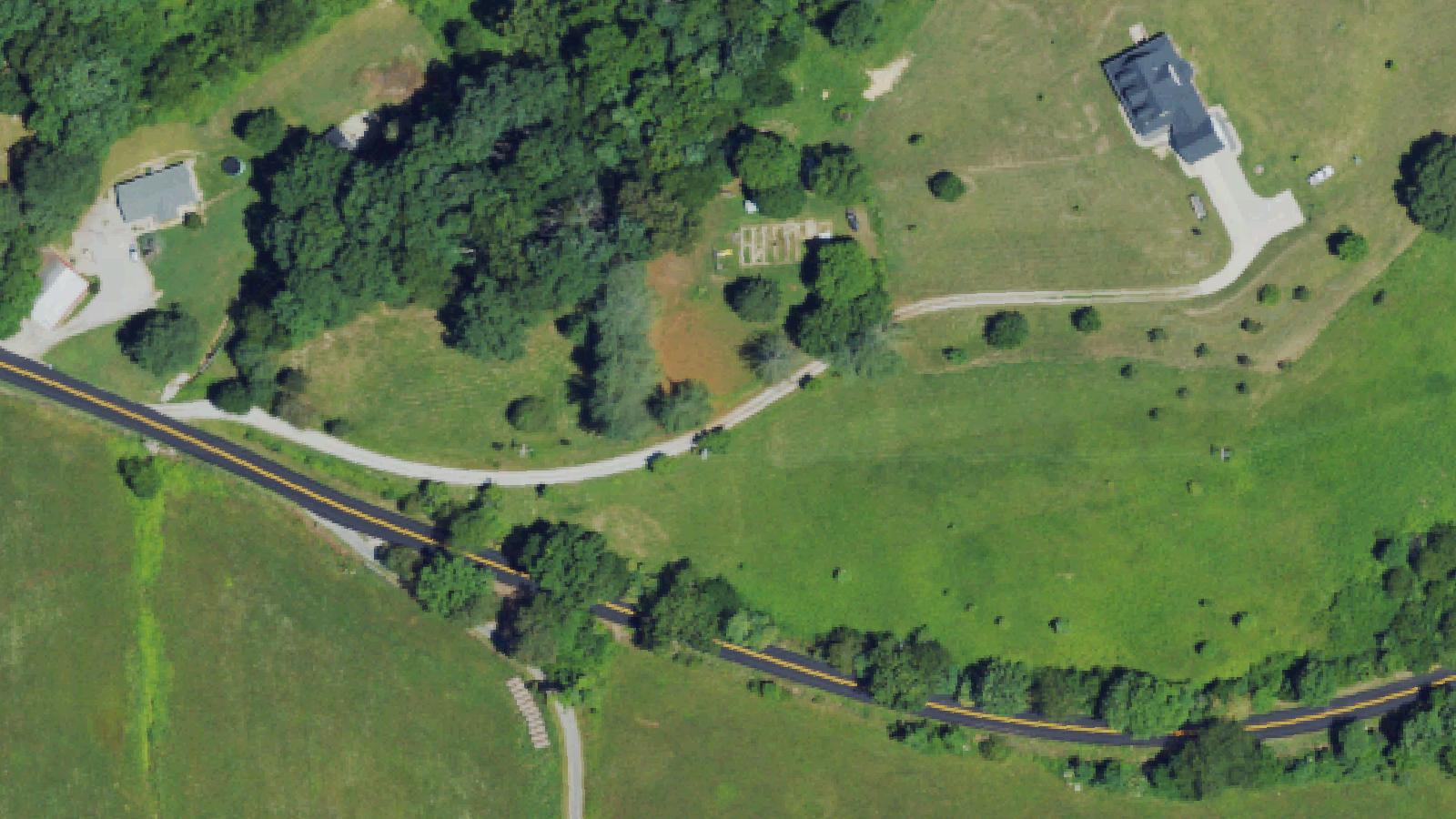
The Cumberland Plateau communities of eastern Kentucky developed a distinct tradition of family and church cemetery placement, often on elevated ground above the hollow floor — practical decisions that kept burial sites above flood level and in view of the homes below. The cemetery referenced in local accounts on Hwy 577 follows this pattern, positioned off the road and visible from it at a distance.
The specific history of the graveyard and its occupants has not been documented in available sources. Small rural cemeteries of this type often hold graves dating to the mid-nineteenth century, with a mix of named markers and fieldstone grave indicators that have lost their inscriptions over generations.
Sources
- https://en.wikipedia.org/wiki/Jackson_County,_Kentucky
- https://en.wikipedia.org/wiki/Annville,_Kentucky
- https://www.kyatlas.com/ky-annville.html
Residual haunting
The reported phenomenon on Hwy 577 is specific in a way that distinguishes it from many road legends: it operates at a distance. The glow is described as visible from the highway, attached to a particular grave in the cemetery set back from the road, and only under certain conditions — clear nights and a full moon.
The defining feature of the legend is its disappearance. Witnesses who have stopped and walked into the cemetery report that the light vanishes when they approach — not flickering out, but simply absent by the time they reach the location where they saw it from the road. This quality has resisted the obvious explanations: headlights on the highway produce reflections that move, not stationary glows; bioluminescence in decaying wood produces low-level diffuse light, not a grave-specific luminescence.
No local historical documentation has been found connecting the cemetery to a specific event or individual that might anchor the folklore in verifiable history. The account as it circulates is purely observational — a description of something seen, without a causal story attached to it.
Where this legend is told