Appalachian Settlement History · Family Burial Ground
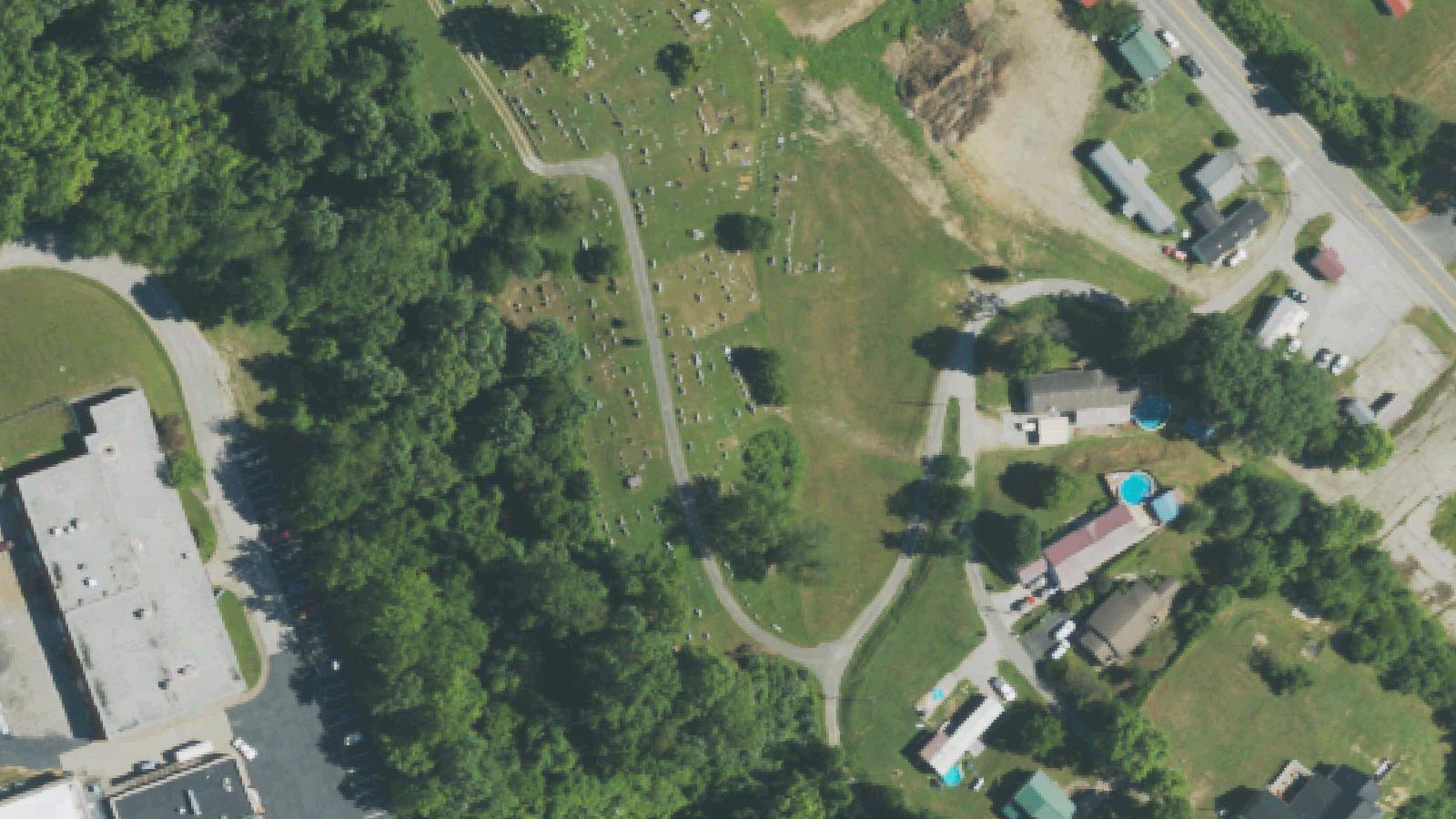
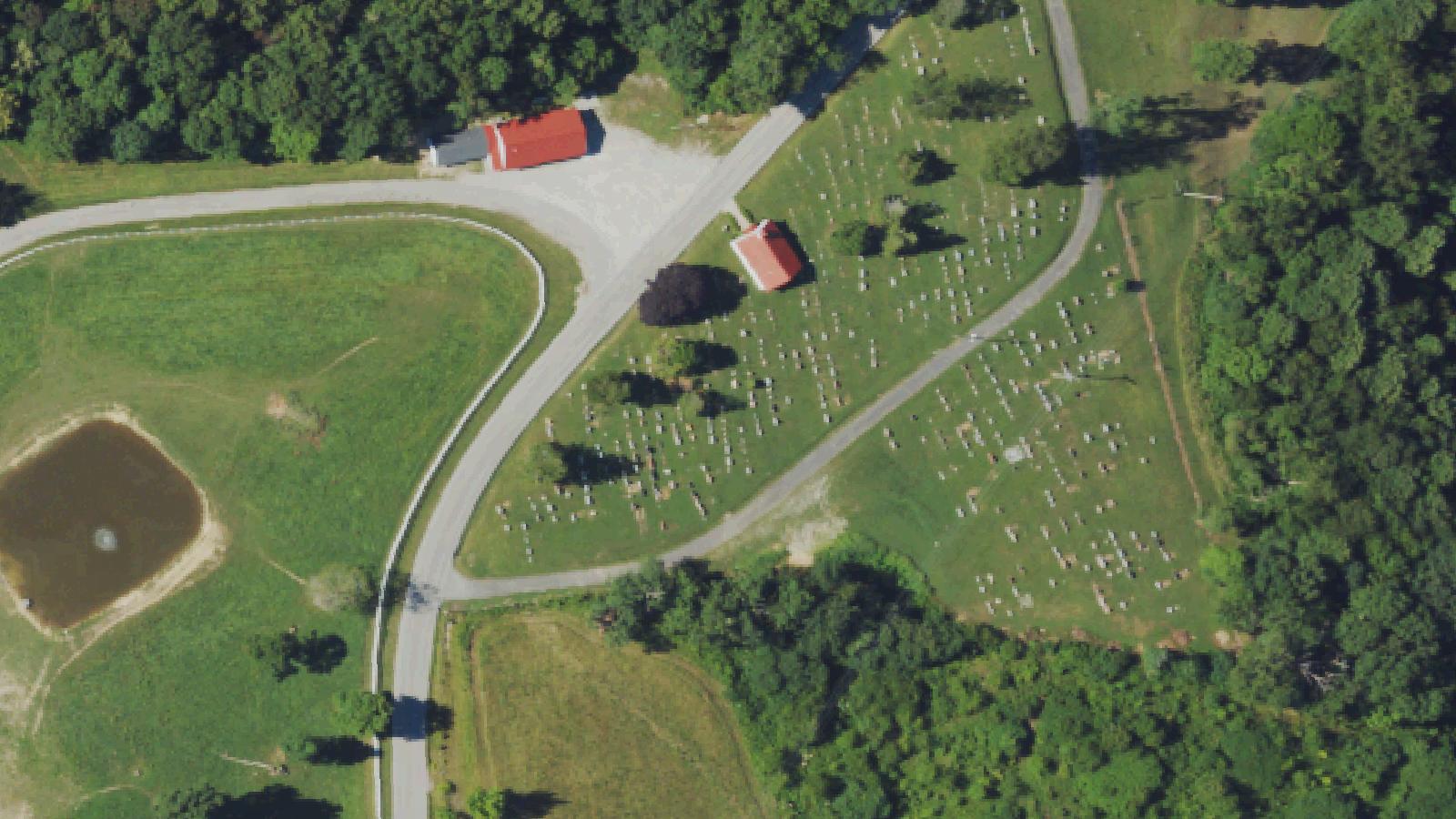
Mash Fork is a small community and hollow in Magoffin County, Kentucky, documented in county cemetery records maintained by the Magoffin County Historical Society. The cemetery sits in terrain characteristic of the upper Licking River watershed — narrow valleys flanked by steep ridgelines where family burial grounds were established close to homesteads.
The Magoffin County Funeral Home, which serves the surrounding communities including Mashfork, lists the area among its historic service zones. Cemetery records compiled by the Historical Society catalog graves across Mash Fork, Flat Fork, Cow Creek, and Mine Fork, reflecting the dense pattern of family graveyards typical of eastern Kentucky hollow communities where land was dispersed among kin networks rather than concentrated in town centers.
No documented construction date for the cemetery is available in accessible sources. The area was settled in the early 1800s, consistent with the broader migration into the upper Big Sandy River drainage.
Mash Fork Cemetery is documented in Volume II of the Magoffin County Cemeteries publication maintained by the Magoffin County Historical Society in Salyersville. Magoffin County itself was formed in 1860 from parts of Floyd, Johnson, and Morgan Counties along the Licking River watershed, during the gubernatorial term of Beriah Magoffin of Harrodsburg. The county's rural cemeteries — Mash Fork among them — record the lineage of early Appalachian families along the Licking River tributaries.
Sources
- https://www.familysearch.org/en/wiki/Magoffin_County,_Kentucky_Genealogy
- https://sites.rootsweb.com/~kymhs/pricelist1.htm
- https://www.cityofsalyersville.org/magoffin-county-historical-society
- https://en.wikipedia.org/wiki/Magoffin_County,_Kentucky
Residual haunting
The specific legend attached to Mash Fork Cemetery is stripped down to a single, stubborn detail: one grave glows.
According to the Shadowlands Haunted Places Index, the light is visible both from the road and on closer approach. The skeptic in the story — unnamed, doing what skeptics do — covered the grave with a coffee sack. The glow came through anyway.
This type of luminous grave legend appears across Appalachian cemetery folklore, often attached to graves of individuals whose deaths were considered unresolved or unjust. The source of such reported lights ranges from natural phosphorescence in organic material to reflective grave markers to simple tricks of moonlight on white stone. No independent investigation of the Mash Fork grave light has been documented in accessible sources.
The coffee sack detail is the kind of specific, tactile element that tends to survive in oral tradition because it grounds an abstract claim in a concrete, testable act — and the tradition preserves the act failing.