Est. 1873 · Fourth Kentucky Lunatic Asylum (1873), later Central State Hospital · 1882 grand jury indictments for patient assault — documented institutional abuse · Staff murder charge for drowning a patient · Two patient cemeteries with estimated 5,000 unmarked graves · All 15 buildings demolished 1996; site now E.P. Tom Sawyer State Park
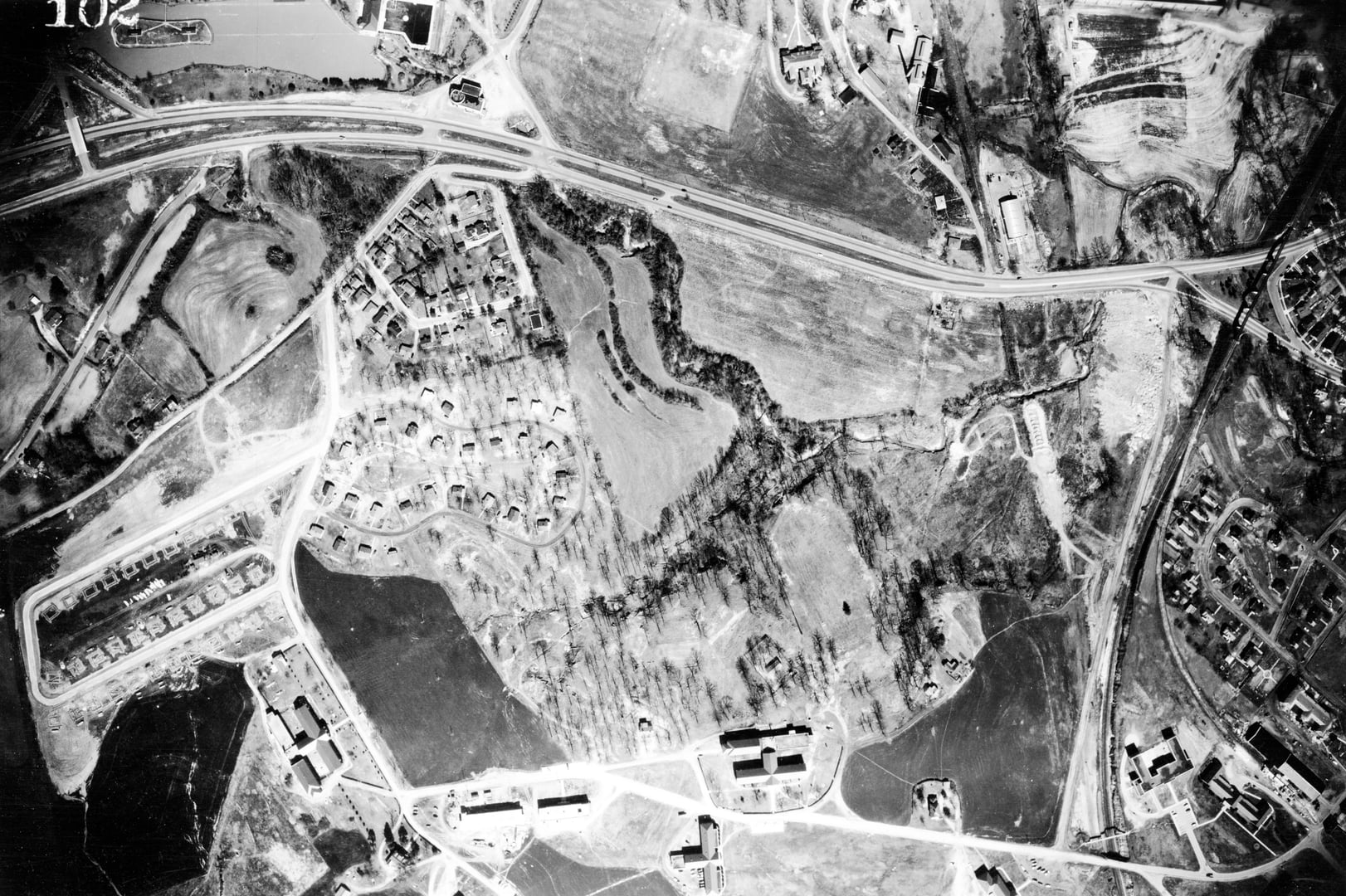
In 1873 the State of Kentucky opened the Fourth Kentucky Lunatic Asylum on the northeast edge of Louisville in Jefferson County. The campus, later known as Central State Hospital and in popular usage as Lakeland Asylum, occupied a large rural tract and over the following decades expanded to 15 buildings housing thousands of patients.
The institution's operational history included documented incidents of patient abuse. An 1882 grand jury convened to investigate conditions at the asylum returned indictments against staff for the physical assault of patients — a relatively rare formal legal action that surfaced the conditions inside. In a separate incident, a staff member faced murder charges in connection with the drowning death of a patient. These events were reported in Louisville newspaper coverage and entered the documented record of the facility's history.
The patient population reached an estimated 5,000 at the facility's peak. Two on-site cemeteries served patients who died at the asylum without family to claim them. Many graves received no individual markers; the precise number of interments in the cemeteries has been estimated at around 5,000, with the majority unmarked.
The campus also features Sauerkraut Cave, a natural cave on the grounds. Local lore holds that patients escaping from or being transferred within the institution used the cave; the cave is now closed to the public by the state parks department.
In 1996 the state demolished all 15 hospital buildings and transferred the land to the Kentucky Department of Parks, which converted the site into E.P. Tom Sawyer State Park — a recreational facility used today for sports fields, trails, and picnicking. The two patient cemeteries remain within the park and are accessible to visitors on foot.
Sources
- https://en.wikipedia.org/wiki/Central_State_Hospital_(Kentucky)
- https://discover.hubpages.com/religion-philosophy/Sauerkraut-Cave-Haunted-Kentucky
- https://archive.louisville.com/content/louisville-underground-sauerkraut-cave-and-legacy-lakeland-asylum
Apparitions near unmarked grave markersDisembodied soundsUnexplained cold spots in the cemetery
The paranormal reputation of the former Lakeland Asylum grounds at E.P. Tom Sawyer State Park is among the most deeply rooted in the Louisville area. Unlike asylum haunts where the dark history is alleged, the Central State Hospital's record includes documented grand jury indictments for patient assault in 1882 and a staff murder charge for the drowning of a patient — facts that give the lore an anchor in the historical record.
The two patient cemeteries are the focal point of most accounts. Regional sources compiled in Louisville newspaper archives and the Louisville Underground feature describe apparitions observed among the unmarked graves, sounds at night attributed to former patients, and a pervasive atmospheric unease. The estimated 5,000 unmarked burials — patients who died without family or whose identities were not preserved — represent the anonymous human cost of the institution and animate the site's reputation.
Sauerkraut Cave, on the park grounds but now closed to the public, carries its own body of lore. Local accounts describe patients using the cave for unauthorized movement on the campus, and regional writers have connected the cave to the escape and recapture narratives common to large institutional histories. The Kentucky State Parks department has gated the cave and does not permit entry.
No formal published paranormal investigation has been conducted at the park cemeteries in the sources reviewed. The lore is predominantly regional in character — maintained in Louisville newspaper features, the Louisville Underground oral-history archive, and regional dark-tourism writing — rather than the product of a produced ghost-investigation event.
Where this legend is told