Outdoor Exploration
Trail Walk
Explore 2.5 miles of trails through the historically significant grounds known for their paleontological history alongside the park's bison herd.
- Days:
- Daily
HauntBound archive · catalog record
Reported phenomena, as catalogued
+ 3 further entries on record
Paranormal paleontology: haunted fossil site with shadow spirits
3380 Beaver Road, Union, KY 41091
Research updated September 2026
Age
All Ages
Cost
Free
Free admission to park and museum
Access
Wheelchair OK
Paved trails and developed campground
Equipment
Photos OK
Est. 1960 · American Paleontology · Lewis and Clark Expedition · National Historic Landmark · Pleistocene Fossils
Big Bone Lick's significance extends back beyond recorded European history. Native Americans identified the site as a paleontological treasure centuries before European contact. The mineral-rich spring and lick attracted enormous animals during the Pleistocene epoch, preserving their skeletal remains in distinctive geological formations.
European documentation of the site begins in 1739. By the 18th century, reports of mysterious giant bone deposits had reached across the Atlantic to Europe, sparking scientific curiosity. Thomas Jefferson, an amateur paleontologist, developed particular fascination with the site's remains. In 1803, he enlisted Meriwether Lewis to retrieve specimens. When Lewis's expedition diverted westward, Jefferson tasked William Clark and his brother George Rogers Clark with conducting the first organized paleontological excavation on American soil.
In 1807, the Clark expedition spent several weeks at Big Bone Lick excavating systematically. Their efforts recovered over 300 paleontological specimens representing extinct species including mammoths, ground sloths, and saber-toothed cats. These discoveries initiated American vertebrate paleontology as an organized scientific discipline.
The site remained significant throughout the 19th century, hosting periodic excavations and scientific investigations through 1868. The Kentucky state government established the public park in 1960. Recognition continued with National Register listing in 1972 and designation as a Lewis and Clark Heritage Trail Site in 2002. Most recently, the U.S. Department of the Interior designated Big Bone Lick as a National Historic Landmark on September 2, 2024, affirming its importance to American paleontological and cultural heritage.
Sources
Big Bone Lick attracts paranormal investigators alongside paleontologists, creating a unique convergence of scientific and folkloric interest. Visitors report phenomena occurring along the access road before entering the park proper. Witnesses describe disembodied whispers, eerie figures that appear and vanish, and strange noises from the surrounding woods. These reports cluster in the wooded perimeter areas rather than developed zones, suggesting either environmental factors or localized paranormal concentration.
The historic church building generates the most documented activity. Paranormal investigators have recorded orb phenomena during evening investigations, with documented cases where orbs exhibit intelligent movement patterns—entering through doors, traveling along specific paths, and responding to investigator questions through patterns of light and motion.
Hair-pulling incidents have been reported by visitors inside the church structure. Multiple independent witnesses have described sudden, unexplained contact sensations accompanied by the feeling of hair being pulled or touched by unseen hands.
One documented investigation captured orb phenomena that allegedly transformed into an angelic figure before dissipating. The specificity of multiple witness accounts and consistent investigator documentation suggests that the church represents a localized paranormal hotspot distinct from the surrounding grounds.
Black hooded figures have been reported approaching from nearby roads, and a white cloud-like apparition allegedly passed through a visitor's vehicle on the grounds. Military-dressed figures have been captured in photographs taken at an adjacent cemetery, though military presence at the site during its paleontological era remains undocumented.
Notable Entities
Explore 2.5 miles of trails through the historically significant grounds known for their paleontological history alongside the park's bison herd.
Visit the museum housing paleontological collections dating back to Thomas Jefferson's Lewis and Clark era excavations, plus the historic church structure where paranormal investigators have documented orbs, hair-pulling incidents, and an angelic apparition. Free admission year-round.
Paranormal investigation events have previously been hosted here by ESP Encounters of Supernatural Phenomena; check with the park for whether any are currently scheduled.
Walk the bison viewing areas and picnic grounds during daylight hours to experience the site's atmospheric qualities. The surrounding wooded areas contain the most frequently reported paranormal phenomena.
Some links on this page may earn HauntBound a small commission when you book, at no extra cost to you. Our editorial picks are independent. Full disclosure
Every HauntBound history is researched from documented sources. We clearly separate verified historical fact from paranormal folklore.
Free Guide
11 verified stops, rated for families, mapped in order. Free.
One email to confirm, then the guide link. Unsubscribe anytime.
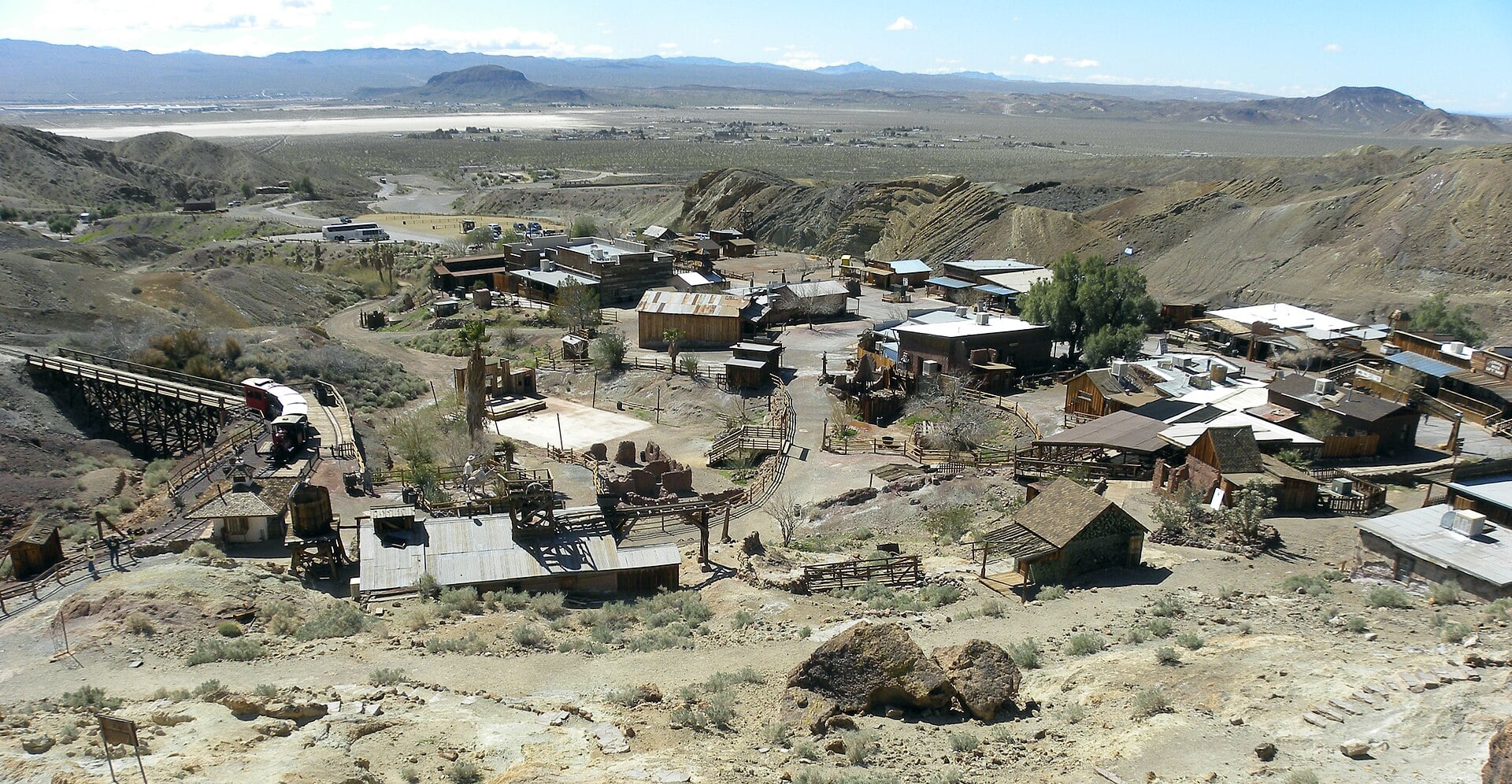
Yermo, CA
Calico was founded in 1881 as a silver mining boomtown in the Mojave Desert. The Silver King Mine became California's largest silver producer, generating 70% of the state's silver output during the mid-1880s. The town achieved peak prosperity before declining as silver prices collapsed.
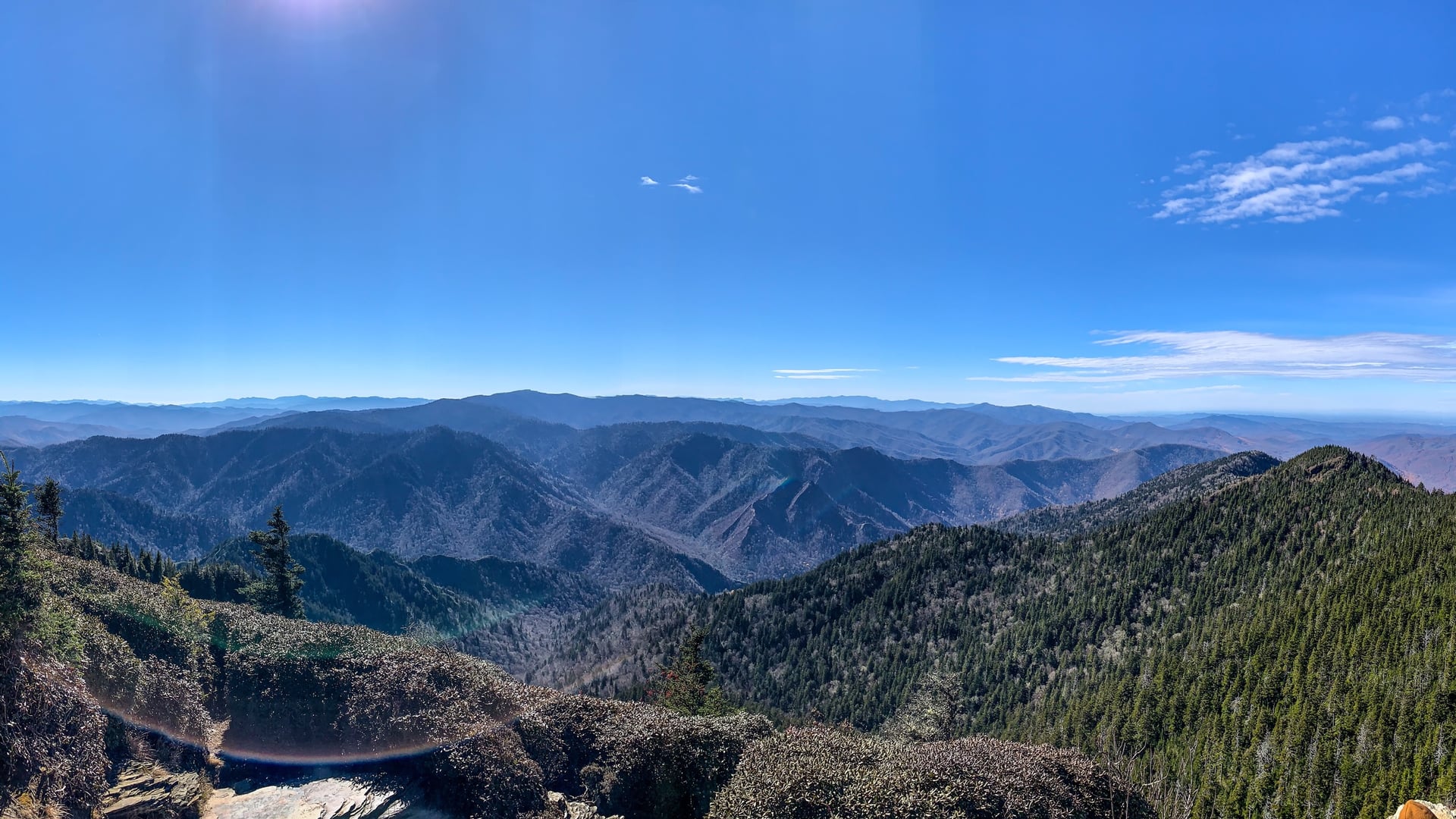
Gatlinburg, TN
Great Smoky Mountains National Park preserves 522,427 acres of southern Appalachian terrain across Tennessee and North Carolina. The land was the heart of the Cherokee Nation before forced removal in 1838 along what became the Trail of Tears, and home to Appalachian Scots-Irish and English settler communities through the early twentieth century. Congress authorized the park in 1926; it was formally dedicated by Franklin D. Roosevelt on September 2, 1940.
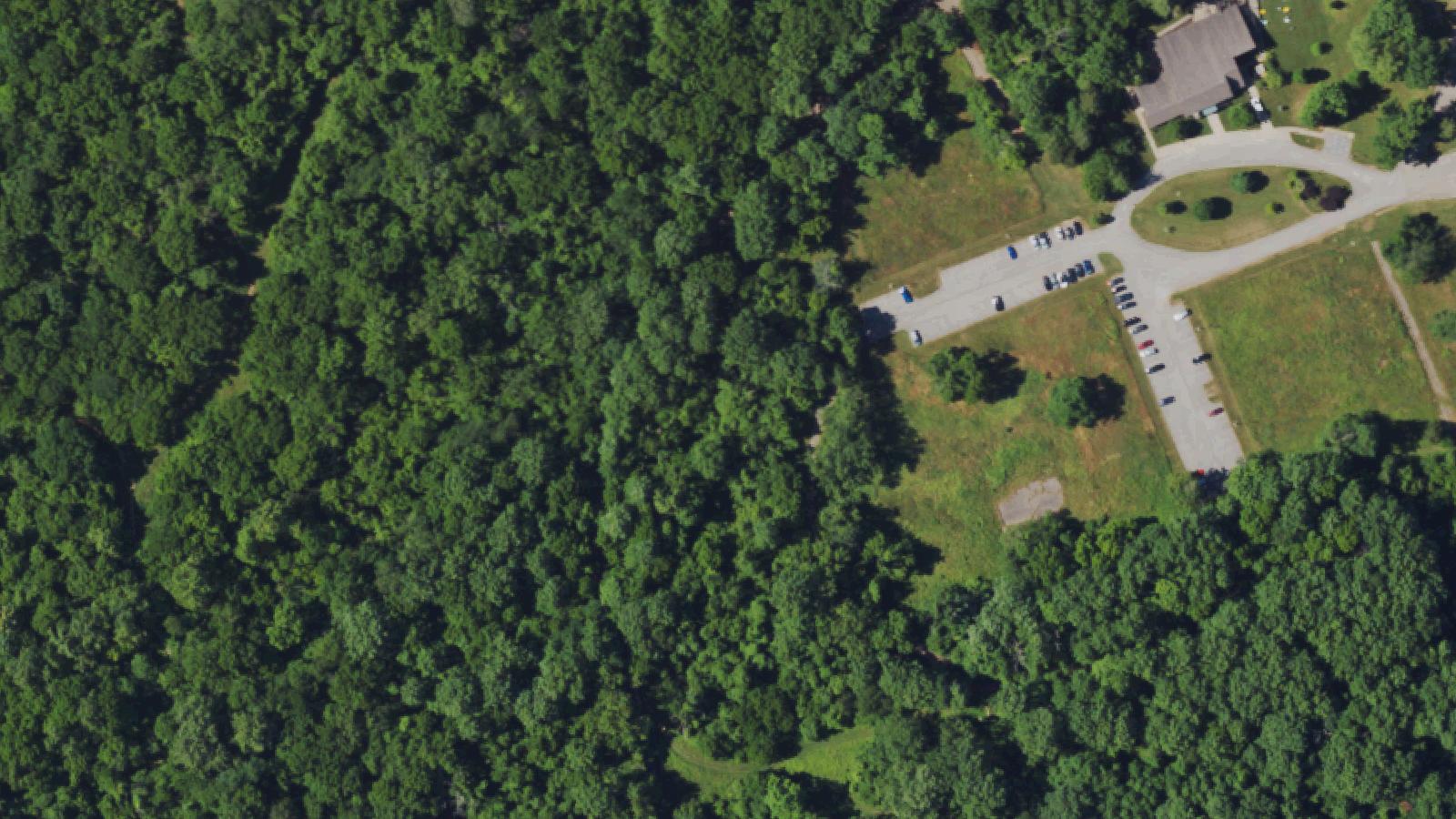 Aerial survey · USDA NAIP
Louisville, KY
Sauerkraut Cave is a small limestone cave located on the grounds of E.P. Tom Sawyer State Park in eastern Louisville. The site began as Virginia militia officer Isaac Hite's grant lands; the cave was modified for use by the Central Kentucky Lunatic Asylum (founded 1873, later Central State Hospital, also known as Lakeland Asylum) for cold storage of sauerkraut and other supplies. The asylum's 15-building campus housed up to 5,000 patients before being demolished in 1996; the park opened to the public in 1974.