Est. 1882 · Rural Carter County church-and-cemetery burial ground near historic Olive Hill · Documented in regional genealogical burial records (~900 memorials) · Subject of 2023 regional news coverage of local ghost tradition
Olive Hill sits in Carter County along Tygarts Creek, roughly ten miles west of Grayson in the hills of eastern Kentucky. Settlement in the area began around 1790, when the locale was reportedly known as Cold Springs; the town moved to the tracks of the new Elizabethtown, Lexington & Big Sandy Railroad in 1882, and churches and burial grounds multiplied as the community grew. Small family and church cemeteries dotted the surrounding ridges, serving the scattered farm households of the county.
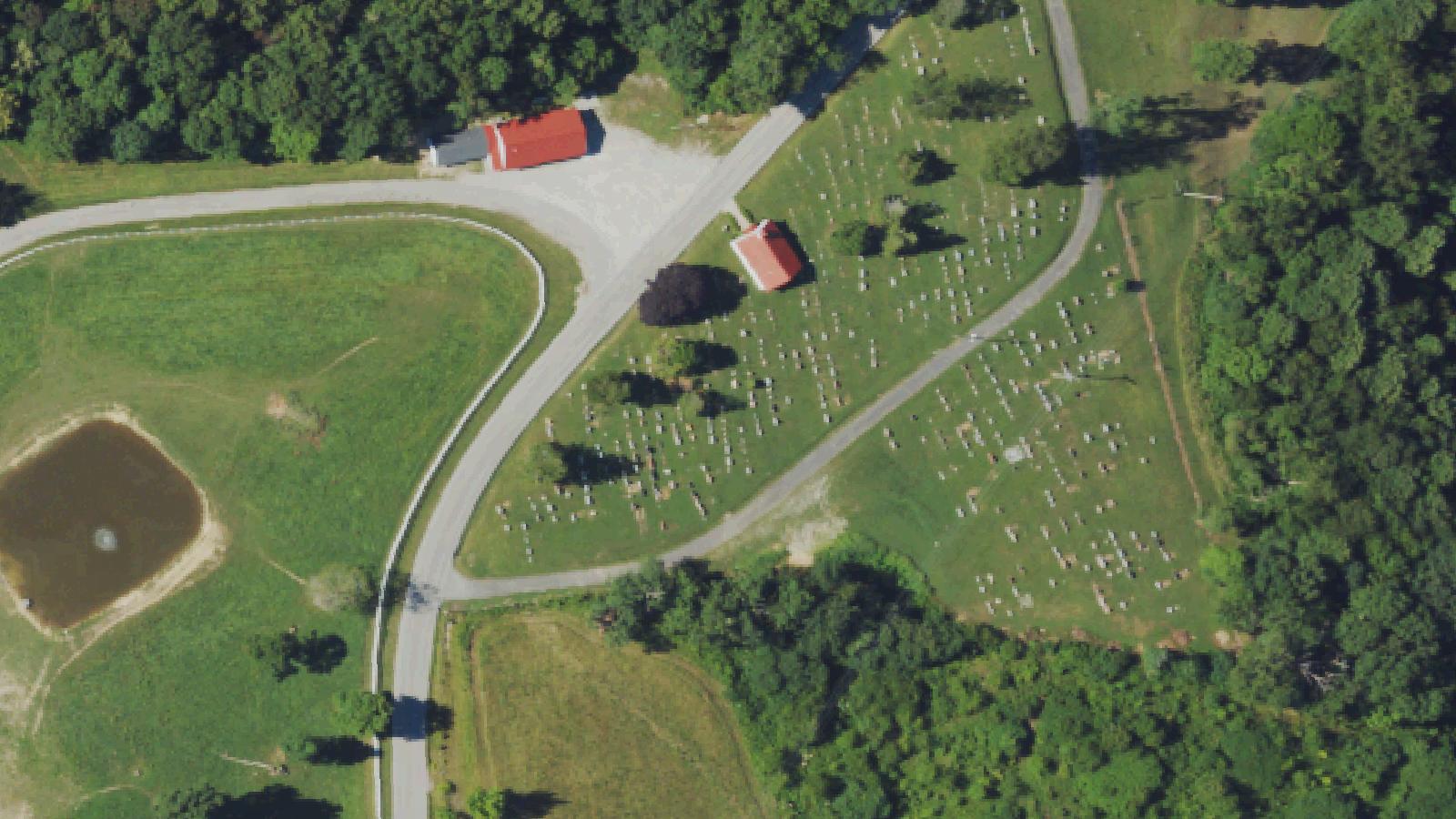
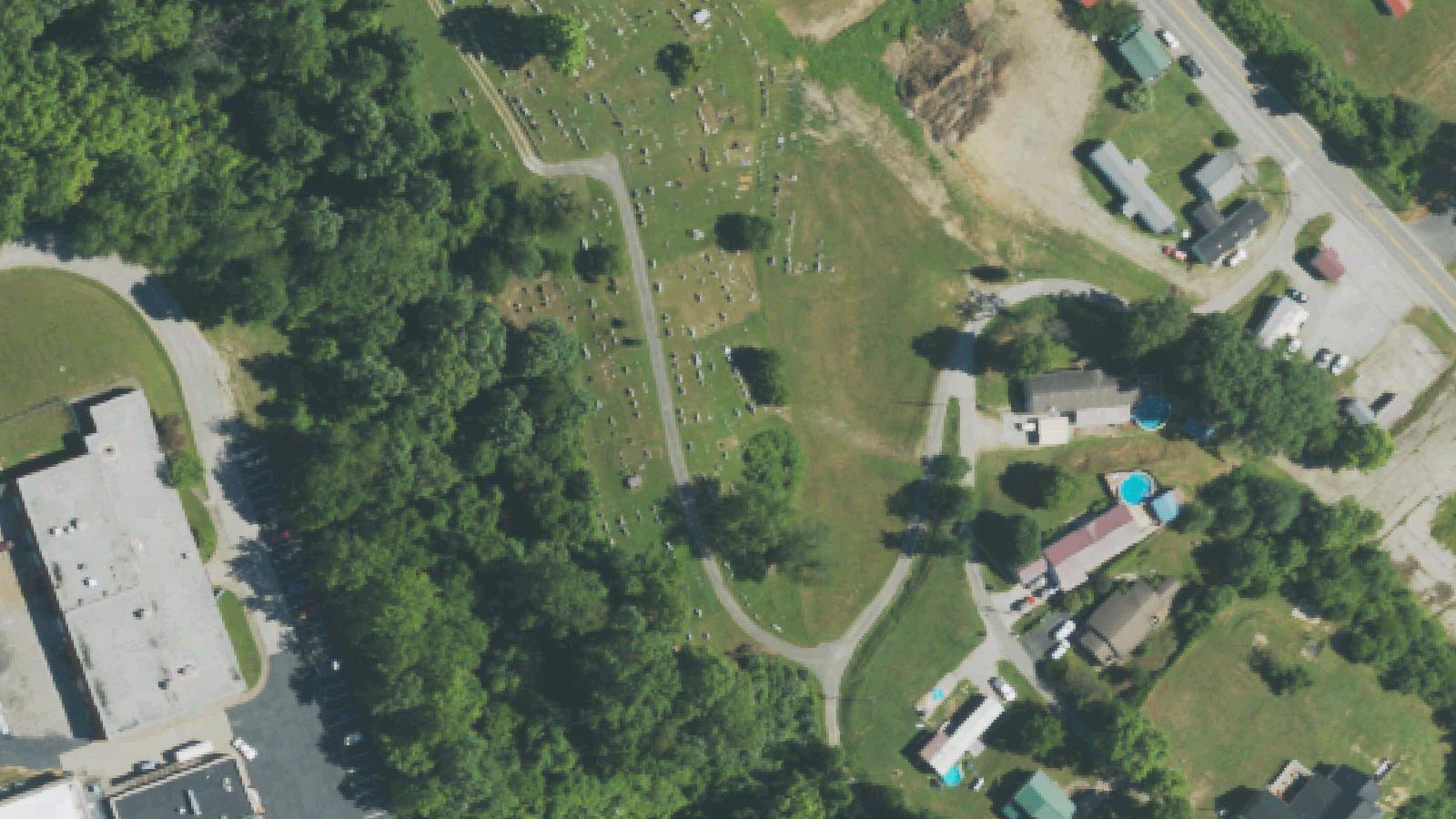
Bethel Hill Cemetery — recorded in regional burial indexes simply as Bethel Cemetery — is one of these hilltop graveyards, holding roughly nine hundred documented memorials according to genealogical records. Like many Appalachian cemeteries, it is associated with an old country church and is reached by a narrow rural road that winds up to the burial ground. The setting is typical of eastern Kentucky's ridge cemeteries: exposed, fog-prone, and isolated from the lights of town.
The cemetery's reputation reaches beyond genealogists. In June 2023 the regional CNHI newspaper The Daily Independent covered a paranormal-investigation group, Blue Collar Paranormal, that documented Bethel Hill Cemetery as a site of long-standing local ghost stories. The article noted that the cemetery is 'largely believed by locals to be a hotspot for paranormal activity' once the fog rolls in, lending the site a documented public profile beyond anonymous folklore.
The combination of a remote hilltop setting, frequent fog, and an old roadside church and graveyard has made Bethel Hill a fixture of Carter County ghostlore for years — a backdrop against which the area's best-known legend, the woman in the road, is set.
Sources
- https://www.dailyindependent.com/news/blue-collar-mystery-gang-investigates-locally/article_6fbc4718-0552-11ee-9c38-b35316558e9a.html
- https://en.wikipedia.org/wiki/Olive_Hill,_Kentucky
- https://www.findagrave.com/cemetery/1969507/bethel-cemetery
Apparition of a woman standing in the road beside the cemeteryVehicles stalling or dying on the road near the graveyardVanishing-hitchhiker encounters in fog and rainSudden silence during reported activity
Bethel Hill's signature story is a classic Appalachian variant of the vanishing-hitchhiker legend. According to the original Shadowlands account, drivers are warned never to pass the old church on a drizzly Saturday night: a woman is seen walking along the roadside, and if you stop to pick her up she vanishes after a few miles — but if you refuse, she is said to let herself into your back seat. The legend ties her appearance to fog, rain, and the dark stretch of road beside the cemetery.
This tradition is not folklore alone. In June 2023 The Daily Independent reported that members of Blue Collar Paranormal — Marshall and Jada Wallace and Danny and Nicole Kelly — investigated Bethel Hill Cemetery and recounted a firsthand encounter that, in their words, 'lines up with a local legend of a figure of a woman who likes to play games with passing vehicles.' One investigator's friend, a self-described skeptic who lived near the cemetery, reported that his new car died in the middle of the road beside the graveyard one night, and that he saw the figure of a woman standing in the road in front of his stalled car before the apparition disappeared and the vehicle restarted. The newspaper noted that, once fog settles over Bethel Hill, the cemetery is widely believed by locals to be a hotspot for paranormal activity.
A second, less-documented legend attaches to the old church on the grounds. The Shadowlands account claims that anyone who peers through the church windows on Friday the 13th will see 'the scariest thing in your life' — though, tellingly, no one in the telling will say what that thing is. Unlike the woman-in-the-road tradition, this Friday-the-13th window story is repeated only in the anonymous Shadowlands submission and has not been independently corroborated; it should be treated as uncorroborated local rumor rather than established lore.
Reports cluster around the foggy roadside rather than the graves themselves, which is consistent with how the legend is told: the danger is in the drive past Bethel Hill, not in the cemetery.
Notable Entities
The Woman in the Road — a phantom female figure tied to the foggy roadside