Outdoor Exploration
Cement Plant Ruins Walk
Explore the overgrown ruins of the United Kansas Portland Cement Company plant, including the prominent smokestack and the wall said to hold a worker's embedded tools.
- Duration:
- 1.3 hr
 Aerial survey · USDA NAIP · public domain
Ruins of a 1905 Portland cement plant in the Montgomery County ghost town of Le Hunt, near Independence; legend holds a worker named Bohr fell into a concrete vat and haunts the site, his tools embedded in a wall.
Cement plant ruins off County Road 5000, near Elk City Lake (Le Hunt), Independence, KS 67301
Research updated May 2026
Age
All Ages
Cost
Free
Remote ruins on/near public land around Elk City Lake; free to visit but reach via rough rural roads.
Access
Limited Access
Wooded, overgrown ruins with crumbling concrete structures and uneven ground; sturdy footwear advised.
Equipment
Photos OK
Est. 1905 · 1905 United Kansas Portland Cement Company plant · Montgomery County ghost town · surviving early-20th-century industrial ruins near Elk City Lake
Le Hunt traces its origins to 1905, when the United Kansas Portland Cement Company purchased roughly 1,500 acres a few miles northwest of Independence, Kansas, and constructed a large Portland cement factory. A small company town grew up around the plant to house workers.
The enterprise was short-lived. By January 1914 the company had filed for bankruptcy. In 1915 the plant was acquired by the Sunflower Portland Cement Company, but with limited housing and no major employer to anchor it, Le Hunt declined into a ghost town.
Today little remains beyond ruins of the cement plant, an old school, and a cemetery. The plant ruins survive in the woods off County Road 5000 along the eastern shore of Elk City Lake; the most prominent feature is the factory's long-abandoned smokestack, which rises above the tree line. The old cemetery lies about a half mile north of the factory site, with graves dating back to the late 1860s.
The site is documented by Legends of America, Wikipedia, and Kansas-history resources, and it is a well-known destination for explorers of the state's industrial ruins.
Sources
According to Legends of America and other regional accounts, the old Le Hunt cement plant is haunted by the ghost of a worker remembered by the name Bohr. As the story goes, Bohr fell into a vat of wet concrete during construction and his body was never recovered. In his memory, his co-workers are said to have embedded his wheelbarrow, pick, and shovel into a concrete wall then under construction; his name and the impression of his pickaxe are reportedly still visible in the factory ruins today.
Visitors and ghost enthusiasts also report a general sense of unease among the ruins, and there is anecdotal mention of people gathering at the site for ritual activity. Legends of America notes that there is no official record of the Bohr incident, and the tale persists chiefly through oral tradition and the physical curiosity of the tool-marked wall.
Because the central figure cannot be independently documented, the Bohr story is presented here strictly as folklore attributed to the cited sources rather than as established fact. The verifiable anchor is the genuine, well-documented industrial ruin and ghost town of Le Hunt.
Notable Entities
Explore the overgrown ruins of the United Kansas Portland Cement Company plant, including the prominent smokestack and the wall said to hold a worker's embedded tools.
Visit the old Le Hunt cemetery about a half mile north of the factory site, with graves dating to the 1860s.
Some links on this page may earn HauntBound a small commission when you book, at no extra cost to you. Our editorial picks are independent. Full disclosure
Every HauntBound history is researched from documented sources. We clearly separate verified historical fact from paranormal folklore.
Free Guide
11 verified stops, rated for families, mapped in order. Free.
One email to confirm, then the guide link. Unsubscribe anytime.
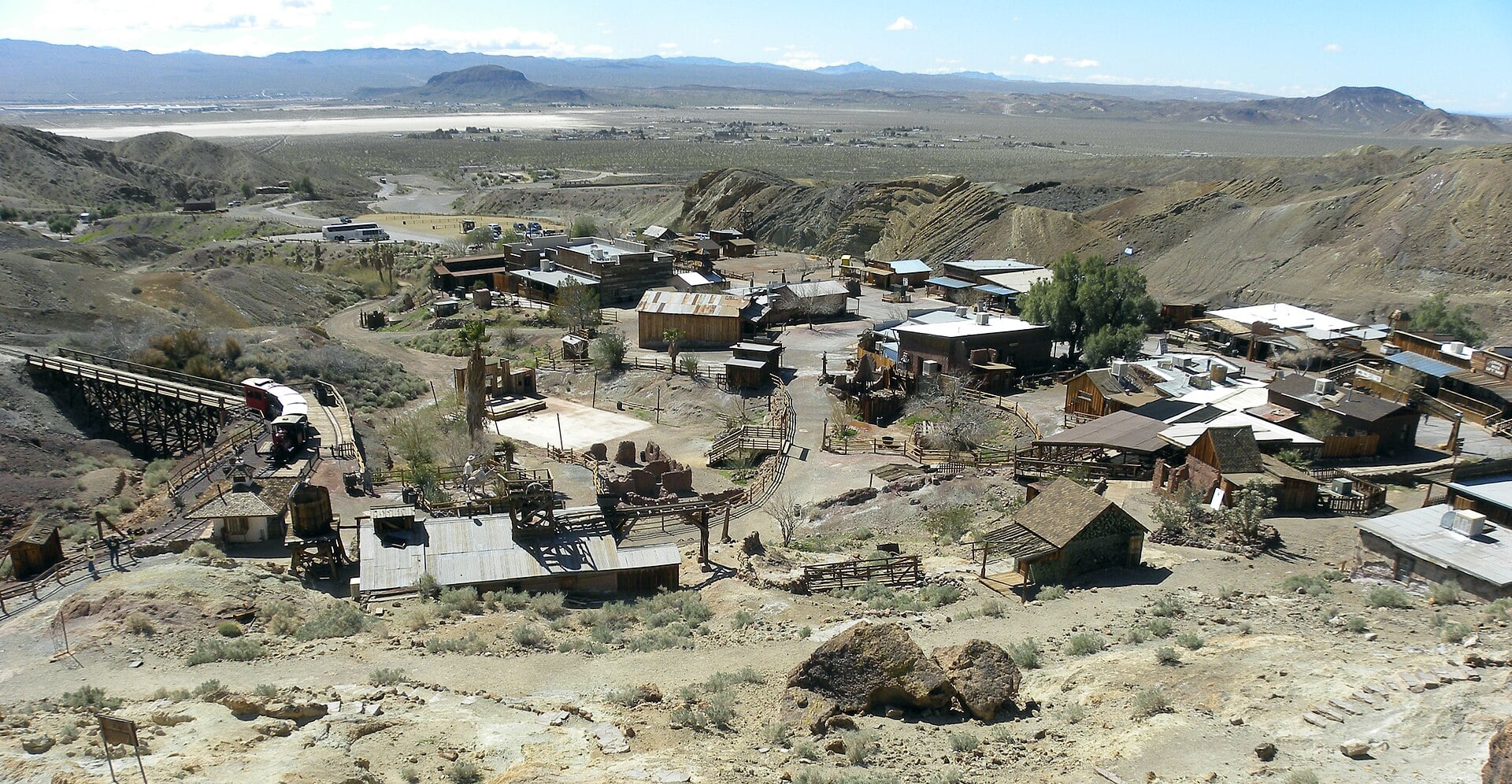
Yermo, CA
Calico was founded in 1881 as a silver mining boomtown in the Mojave Desert. The Silver King Mine became California's largest silver producer, generating 70% of the state's silver output during the mid-1880s. The town achieved peak prosperity before declining as silver prices collapsed.
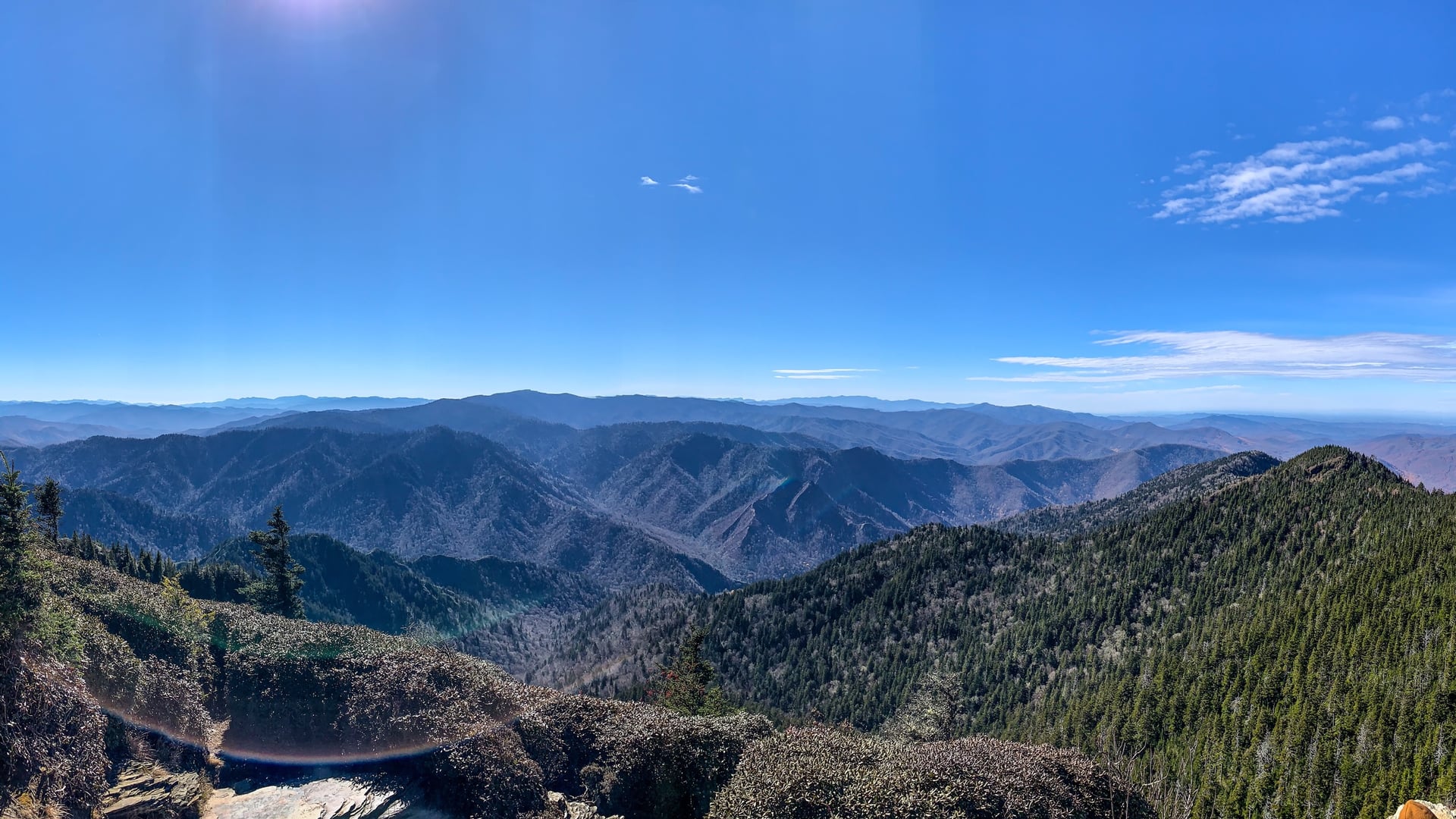
Gatlinburg, TN
Great Smoky Mountains National Park preserves 522,427 acres of southern Appalachian terrain across Tennessee and North Carolina. The land was the heart of the Cherokee Nation before forced removal in 1838 along what became the Trail of Tears, and home to Appalachian Scots-Irish and English settler communities through the early twentieth century. Congress authorized the park in 1926; it was formally dedicated by Franklin D. Roosevelt on September 2, 1940.
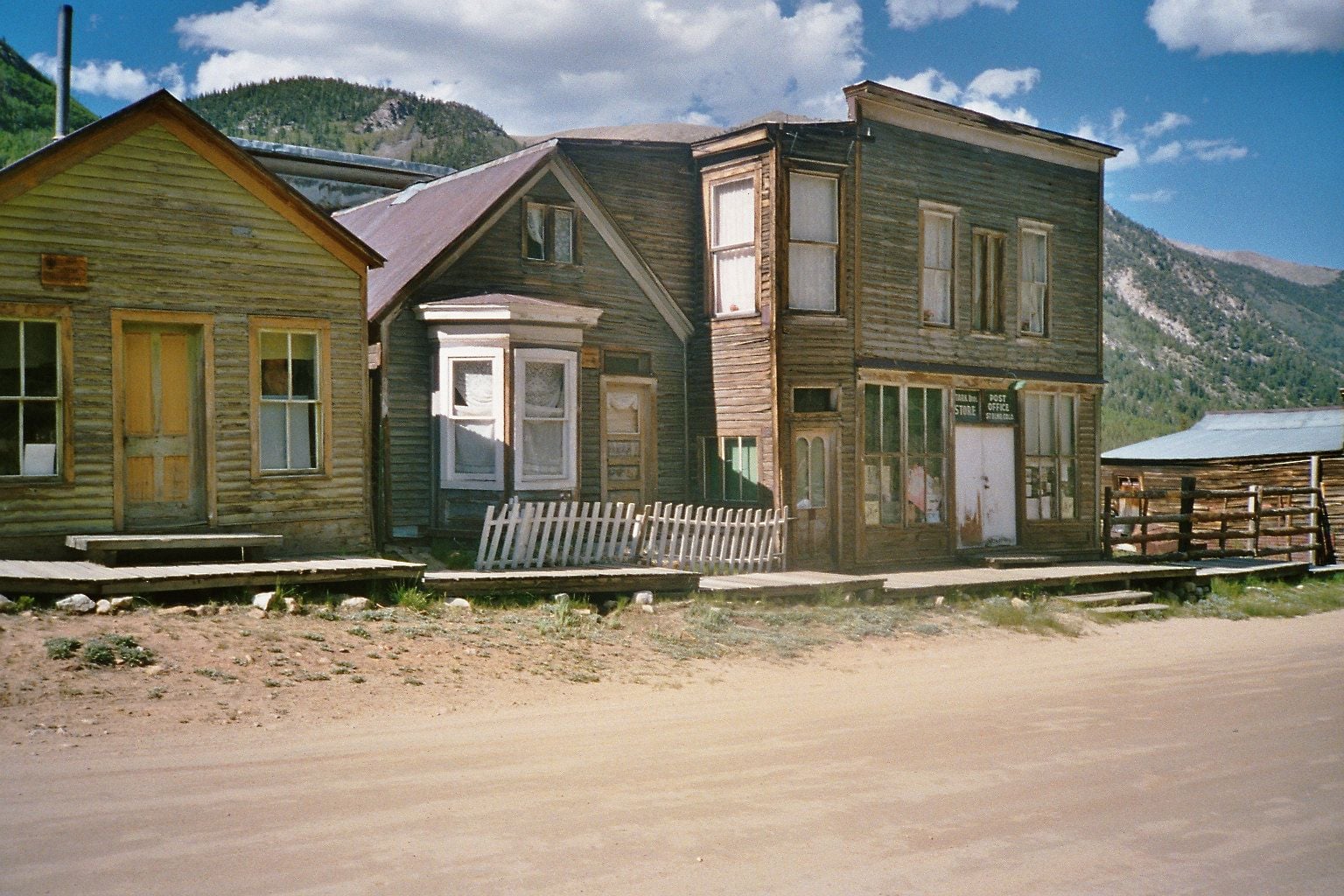
Nathrop, CO
St. Elmo, founded in 1880 in the Sawatch Range of central Colorado, reached a peak population approaching 2,000 during the silver and gold boom of the 1890s. The town has been continuously occupied since but never resettled at scale; surviving structures make it one of Colorado's best-preserved ghost towns.