Est. 1853 · Home of 7th Cavalry under General Custer · 1867 cholera epidemic killed hundreds on post · Camp Funston on post grounds was possible 1918 influenza origin site
Fort Riley's location at the confluence of the Republican and Smoky Hill Rivers was strategic: it commanded the junction of two major emigrant routes and provided a base for cavalry operations against Plains Indian nations. The post was established in 1853 and quickly grew into one of the largest frontier garrisons on the central Plains.
In the summer of 1867 — the same summer General George Custer commanded the 7th Cavalry from the post — cholera swept through Fort Riley and the surrounding region with devastating speed. Hundreds of soldiers and post employees died; the epidemic moved west along the railroad construction lines and killed thousands across Kansas. Custer, stationed at Fort Riley when the epidemic reached its peak, controversially left his post without orders to ride to his wife Libbie in Harpers Ferry, an act for which he was later court-martialed and suspended.
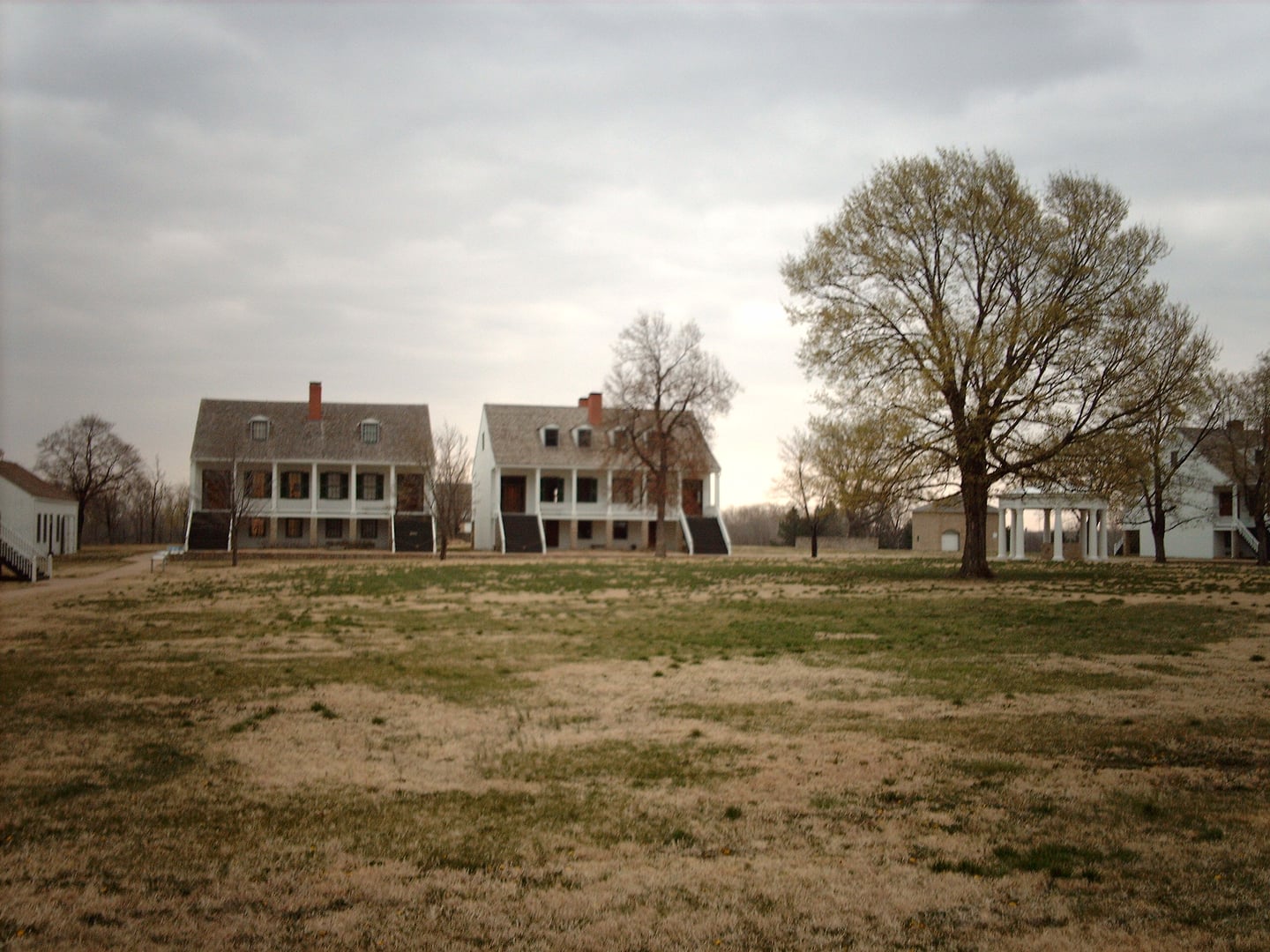
The Custer House, a double-quarters building that served as officers' housing and that Custer and Libbie occupied during their time at the post, was preserved after the Army's historic preservation program designated it a museum in the 1950s. It remains furnished to the period of Custer's tenure. Camp Funston, on the Fort Riley reservation, was the mobilization camp for World War I that some epidemiologists have identified as a possible origin point for the 1918 influenza pandemic.
Fort Riley remains an active installation (the home of the 1st Infantry Division) but opens its historic buildings and museum to the public; the Custer House Museum, US Cavalry Museum, and First Infantry Division Museum are all publicly accessible.
Sources
- https://www.legendsofamerica.com/ks-fortriley/
- https://www.army.mil/article/214607/ghost_hunters_record_interesting_activity_on_fort_riley
- https://en.wikipedia.org/wiki/Fort_Riley
- https://www.ksal.com/ghosts-of-fort-riley/
- https://sweetheartsofthewest.blogspot.com/2020/10/ghosts-at-fort-riley-by-zina-abbott.html
- https://audioboom.com/posts/8778631-when-a-soldier-came-home-but-never-left-real-ghost-stories-classic
Phantom boot-stomping in Custer HouseWWI-era soldier apparition near Camp FunstonWeeping figure in post cemetery
The Custer House is the center of Fort Riley's paranormal reputation. Staff and docents working in the building have reported the sound of heavy boot-stomping on the upper floor when no one is present there — an account consistent enough across different personnel and years that it has become part of how the house is informally described to visitors. The sound is most commonly reported in the evening or when the building is otherwise quiet.
A uniformed soldier — described in period WWI clothing — has been reported near Camp Funston, the section of the Fort Riley reservation used as a mobilization camp in 1917–1918. Camp Funston processed hundreds of thousands of soldiers and was the site of a large number of deaths from the 1918 influenza pandemic; the figure is consistently associated with the Funston area rather than the main post.
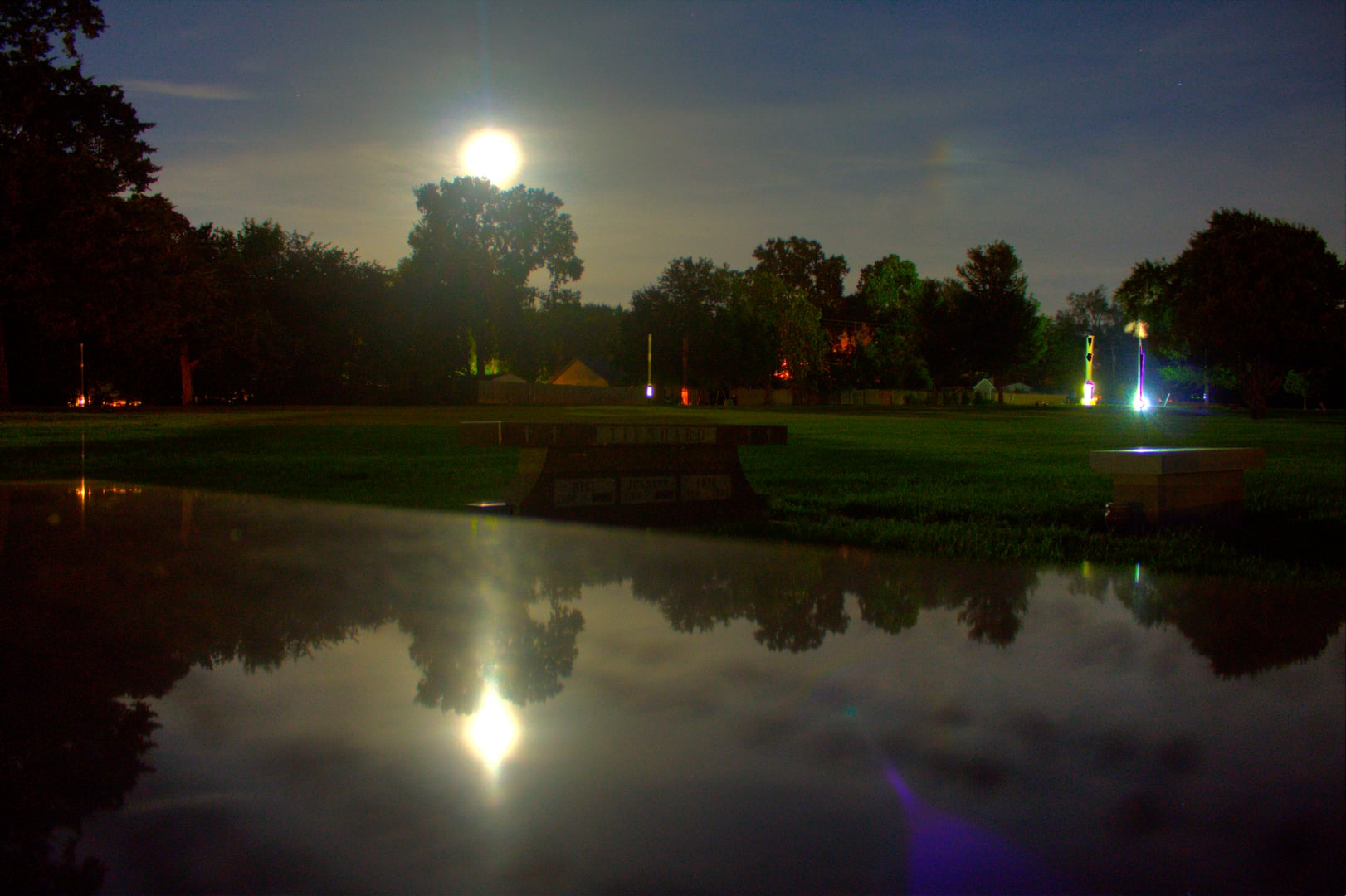
An apparition described as weeping over a grave in the post cemetery — identified in local tradition as General Lewis Addison Armistead, whose wife died in the cholera epidemic — has been reported at the cemetery. Armistead died at Gettysburg in 1863, four years before the cholera epidemic, which is an inconsistency that local accounts do not resolve.
The U.S. Army published an official article on army.mil documenting a paranormal investigation at the post that recorded activity in multiple historic buildings — an unusual degree of institutional acknowledgment for an active installation.
Notable Entities
Soldier apparition near Camp Funston
Where this legend is told