Guided Tour
Heritage Museum Tour
Tour the county history museum housed in the former poor farm building.
- Duration:
- 1 hr
HauntBound archive · catalog record
Reported phenomena, as catalogued
+ 1 further entry on record
A Scottsburg, Indiana history museum housed in the former Scott County poor farm, where staff and visitors report footsteps, phantom odors, and apparitions attributed to the institution's onetime residents.
1050 S Main St, Scottsburg, IN 47170
Research updated September 2026
Age
All Ages
Cost
$
Museum admission and paranormal tours; ghost tours are typically by appointment for a fee. Call ahead.
Access
Limited Access
Two-story historic brick building; upper floor accessed by stairs.
Equipment
Photos OK
Est. 1892 · Former Scott County poor farm / county home · Present brick building dates to 1892 · Now the Scott County history museum
The Scott County Heritage Center and Museum stands at 1050 South Main Street in Scottsburg, Indiana, in a building whose origins lie in the county's nineteenth-century poor-relief system. The site operated as the Scott County poor farm, or county home, an institution that housed indigent residents who had no other means of support, a common arrangement in rural American counties before the modern social safety net. The original frame building on the property was replaced in 1892 by the present-day brick structure.
Poor farms were working institutions where residents, often elderly, disabled, or destitute, lived and frequently labored on the surrounding farmland. Conditions varied widely, and many such homes saw residents live out their final years and die on the property. The Scott County home continued in this role until changing social-welfare practices made county poor farms obsolete in the twentieth century.
The building was later repurposed by the local historical community as the Scott County Heritage Center and Museum, preserving artifacts and records of Scott County's past. The museum is supported by the county's tourism organization and is open for regular visitation, with staff and volunteers maintaining its collections.
In recent years the museum has embraced its reputation among paranormal enthusiasts, offering evening tours that recount both the building's documented history as a poor farm and the ghost stories attached to it.
Sources
Volunteers and visitors to the Scott County Heritage Center attribute a range of unexplained experiences to the building's history as a county poor farm. According to the county tourism office and Indiana Haunted Houses, reported phenomena include footsteps on the second floor when no one is upstairs, the sound of a baby crying, sudden unexplained odors, and lights switching on and off inside the closed building.
Staff have given names to several of the presences they associate with the building. "Mary," said to be the spirit known longest to volunteers, is described as a former resident who broke the home's no-pets rule by feeding stray cats; her presence is reportedly signaled by a sewer-gas odor and the sound of a cat meowing when no animal is present. "Bubba," seen near the main-floor entry in overalls and a flannel shirt, and "Lester," associated with an upstairs room, round out the cast of named figures, along with "Lillian," whose arrival is reportedly marked by the scent of lilacs or perfume.
These accounts are drawn from museum staff and the county's tourism materials rather than from independently documented residents; the museum presents them as local ghost-story tradition during its evening tours.
Notable Entities
Tour the county history museum housed in the former poor farm building.
Saturday-night paranormal tours by appointment exploring the building's haunted reputation.
Some links on this page may earn HauntBound a small commission when you book, at no extra cost to you. Our editorial picks are independent. Full disclosure
Every HauntBound history is researched from documented sources. We clearly separate verified historical fact from paranormal folklore.
Free Guide
11 verified stops, rated for families, mapped in order. Free.
One email to confirm, then the guide link. Unsubscribe anytime.
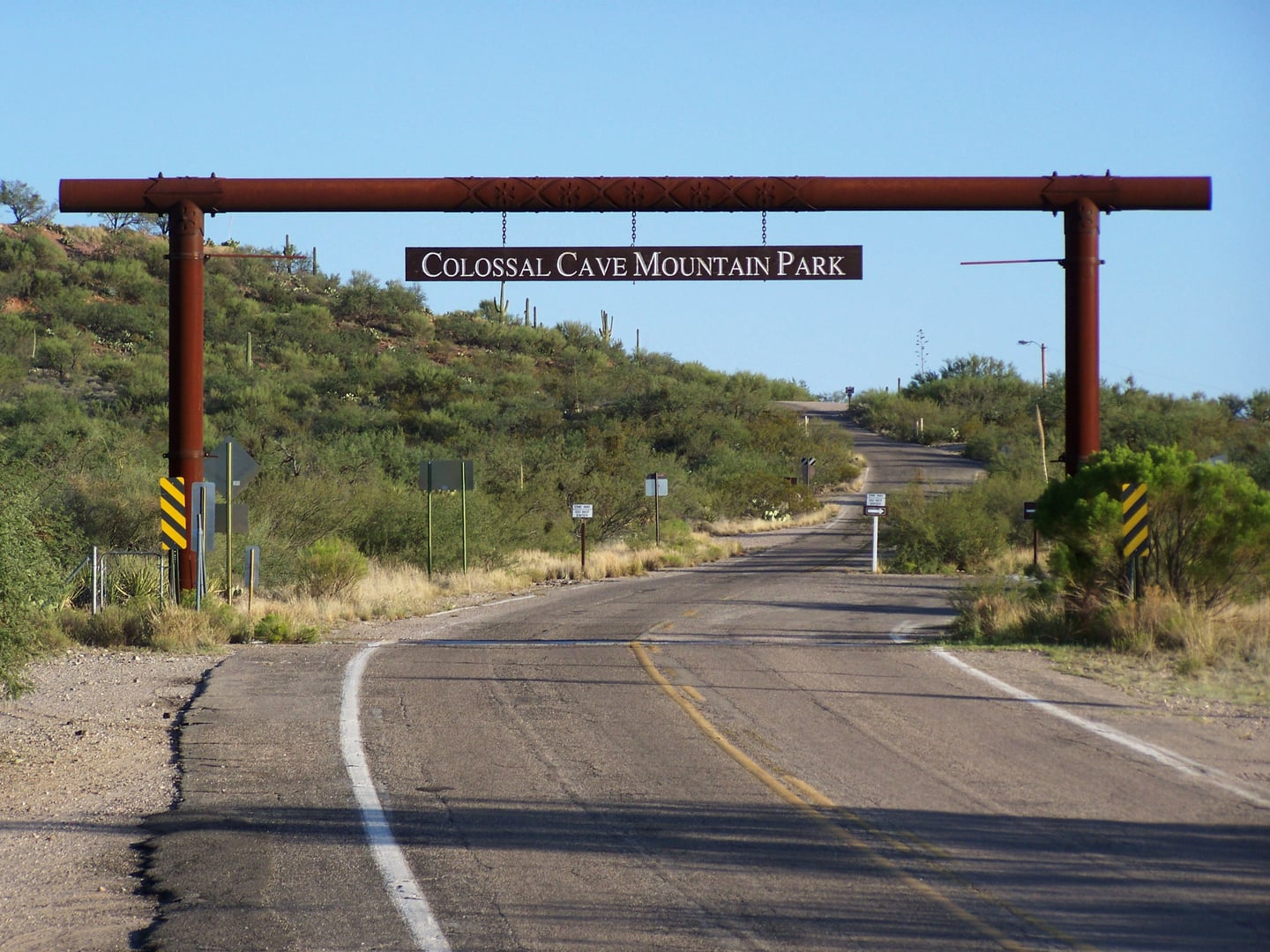
Vail, AZ
Colossal Cave Mountain Park preserves a dry limestone cave 15 miles southeast of Tucson that is associated with the operator’s Bandit Legend. Frank Schmidt, one of the cave's early developers, spent much of his life documenting and preserving the caverns before his death.
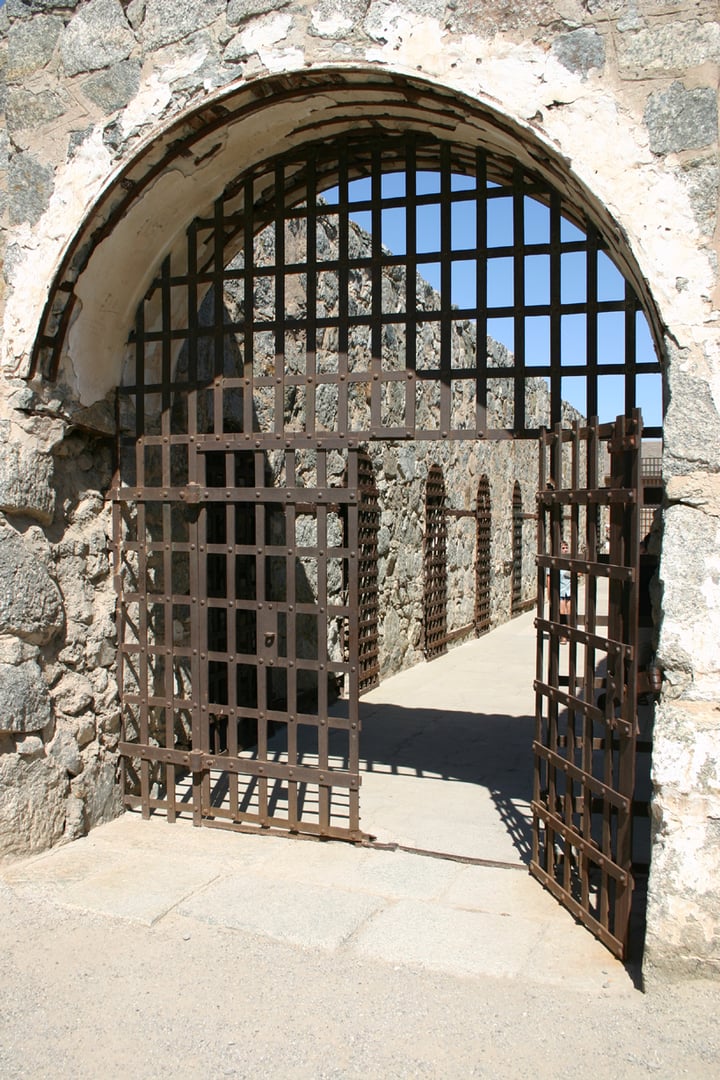
Yuma, AZ
Yuma Territorial Prison operated from 1876 to 1909 on a bluff overlooking the Colorado River in Yuma, Arizona. It held 3,069 prisoners during its 33-year operation, including 29 women. The facility became a state historic park and has been voted by USA Today readers as the Best Haunted Destination in the nation.
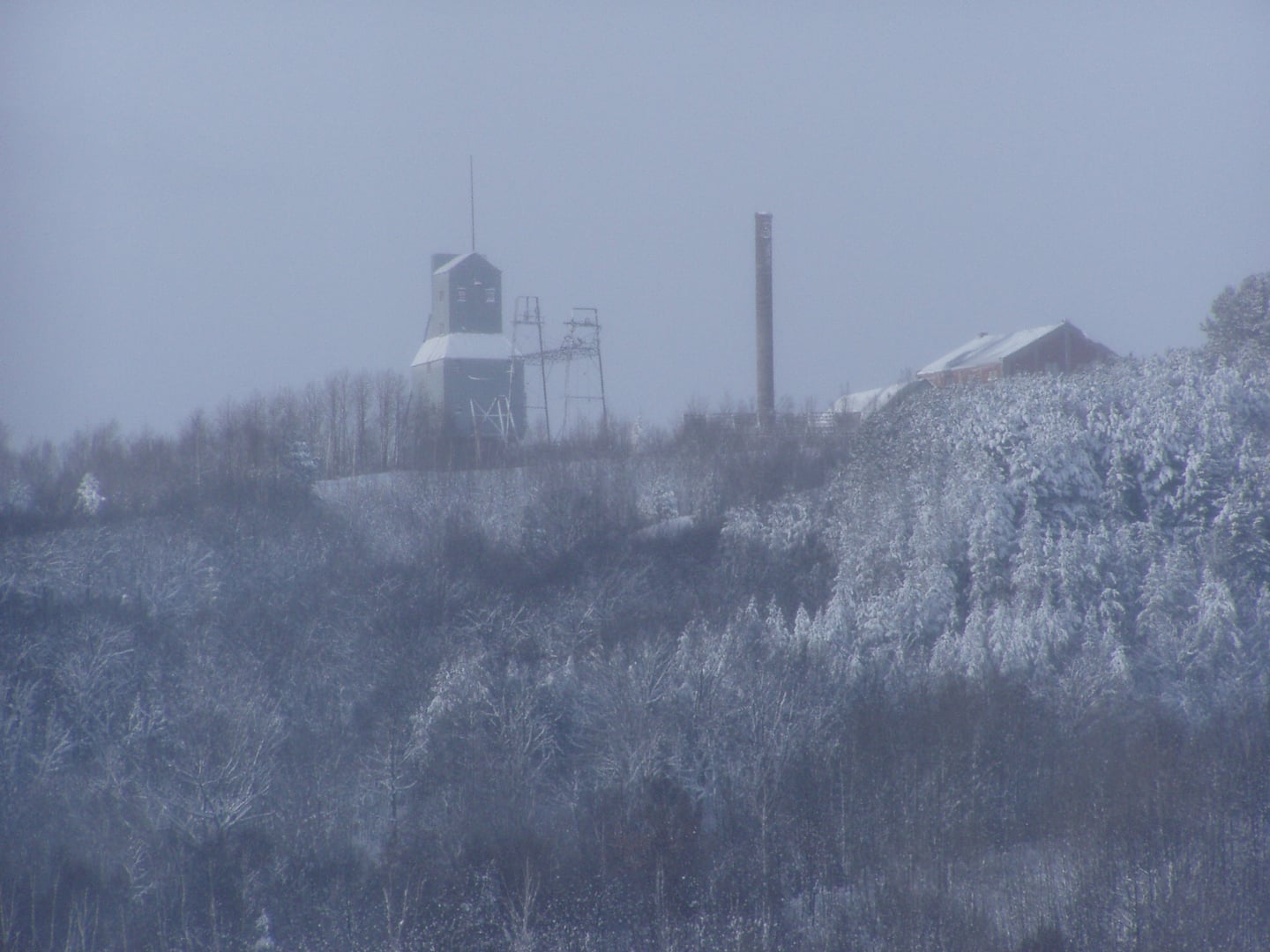
Hancock, MI
The Quincy Mining Company began extracting copper from the Keweenaw Peninsula in 1846 and operated continuously until 1945, producing nearly a billion pounds of copper. During that period, 253 workers died in documented underground accidents. At its deepest, the mine reached 9,000 feet — the deepest copper mine in the world at the time — and its No. 2 shaft hoist house is a National Historic Landmark.