Est. 1880 · Indiana Limestone Industry · French Second Empire Architecture · Matthews Stone Company Historic District
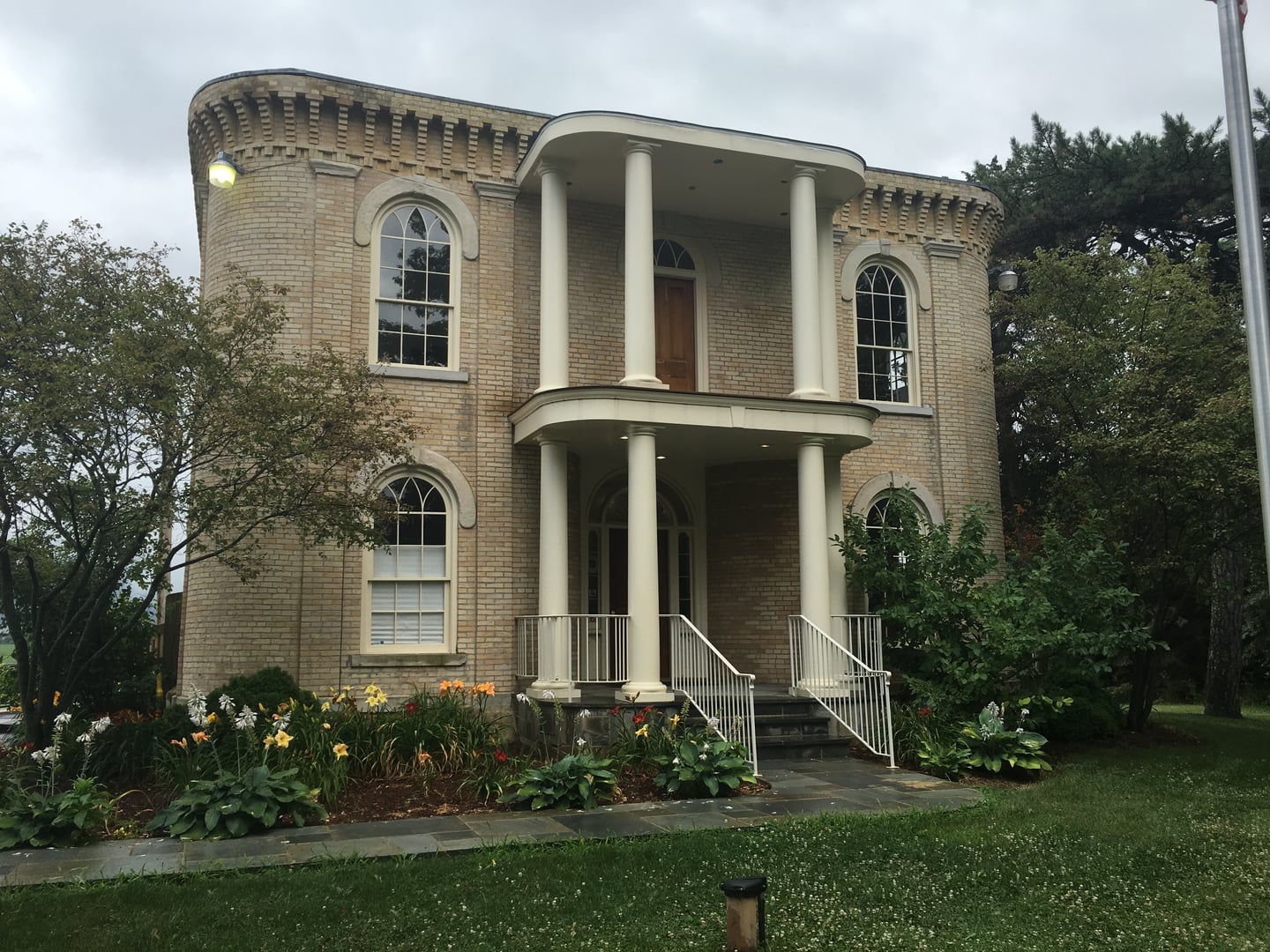
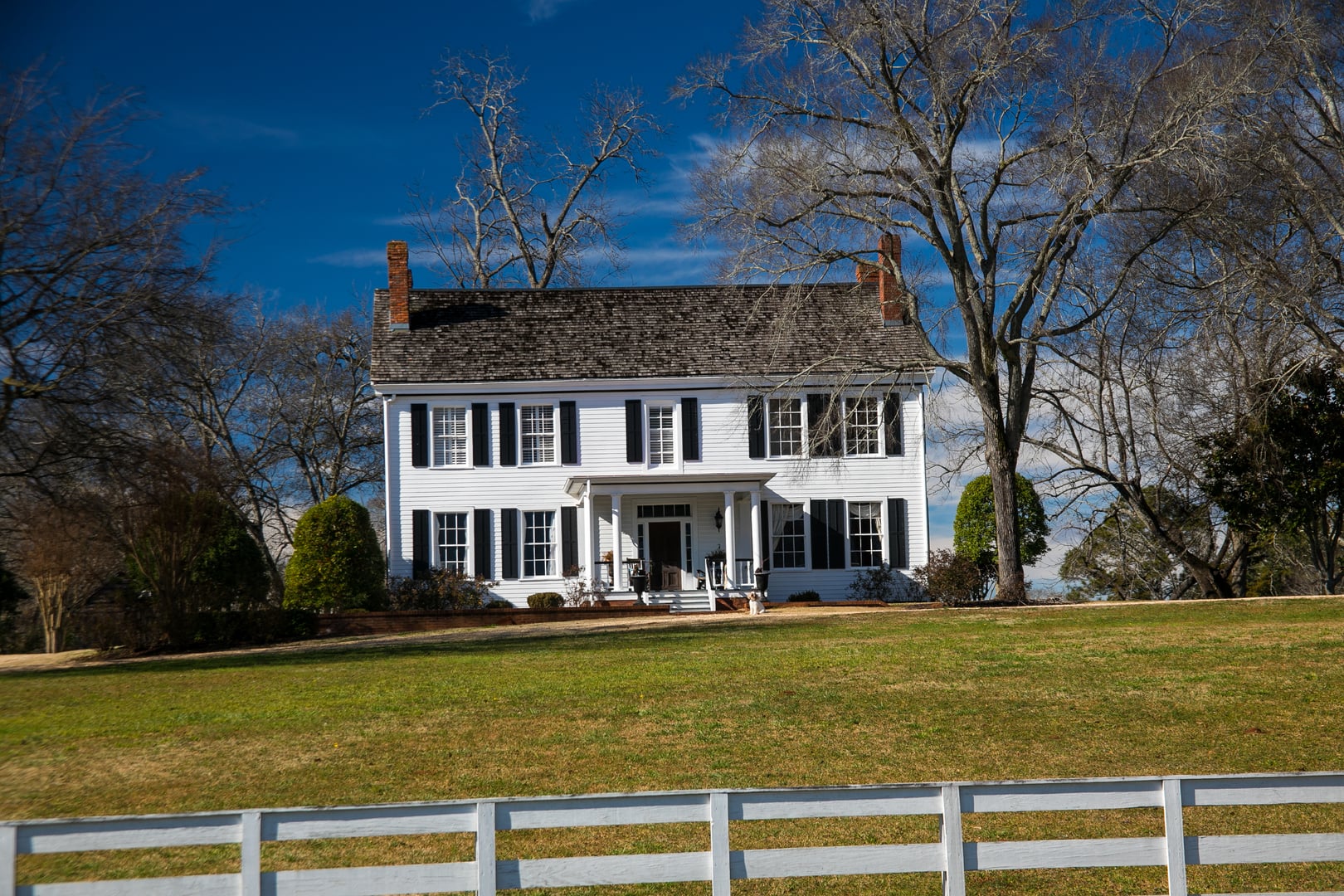
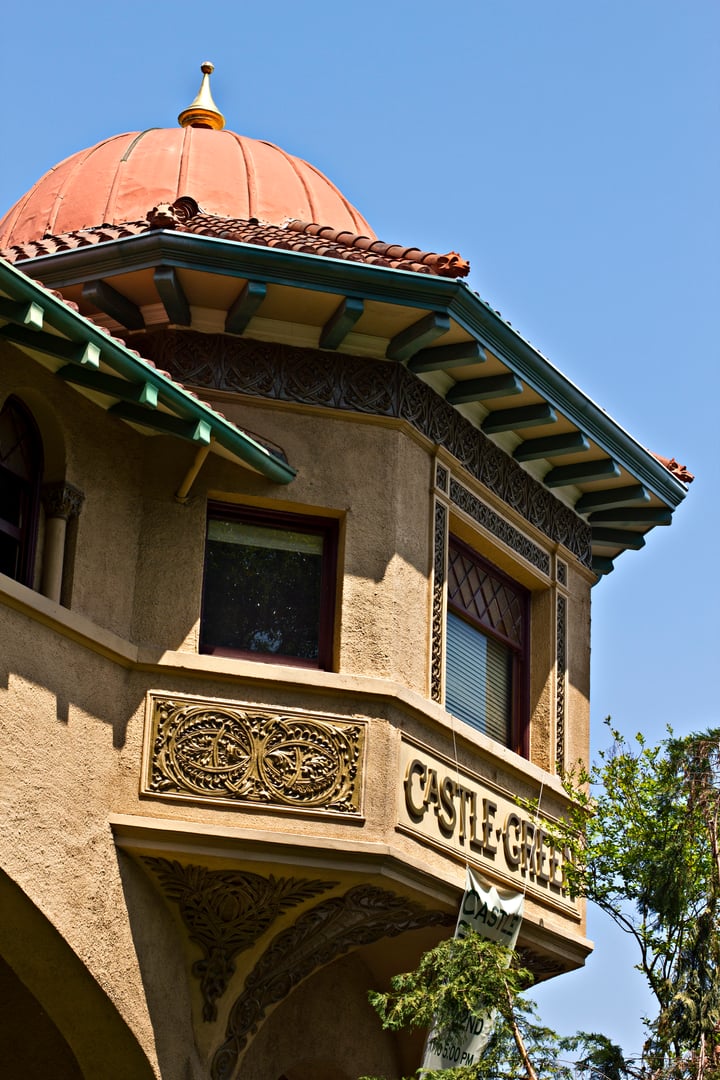
The Matthews Mansion was constructed in 1880 by a Matthews family principal of the Matthews Stone Company, a major operator in the Indiana limestone industry that defined the regional economy of southern Indiana through the late 19th and 20th centuries. Local sources sometimes refer to the family patriarch as 'the father of Indiana limestone,' a title also claimed by other figures in the regional industry.
The house is a French Second Empire design with the high mansard roof and segmented dormers characteristic of the style, executed in dressed limestone from the family's quarries. Set into the masonry of the exterior are four carved limestone faces, said to depict four of the Matthews children; the family had twelve, and the specific identities of the four immortalized in stone are not documented in the published architectural record.
The mansion is part of the Matthews Stone Company Historic District. It has had a series of private owners and was at one point listed by Indianapolis Monthly as one of the most distinctive private historic estates in the state. The property is not open to the public; viewing is from the road only.
Sources
- https://en.wikipedia.org/wiki/Matthews_Stone_Company_Historic_District
- https://sketch2cad.com/2015/08/30/matthews-mansion/
- http://sweethousedreams.blogspot.com/2015/04/matthews-mansiongraymont-1880-french.html
Phantom voicesPhantom footstepsPhantom sounds
The folklore around the Matthews Mansion is largely informal and circulates through southern Indiana ghost-story collections rather than newspaper or historical society records. Reported phenomena include disembodied voices, footsteps within and near the mansion, and accounts of a low, persistent mist hugging the grounds at dusk.
The most distinctive element of the local lore is a claim that 'people are in the walls' of the mansion - a phrase carried directly from the Shadowlands account. We have not been able to verify this in any structural or genealogical record. It is presented here as folklore.
The property is privately owned and not open to the public. The four limestone-carved faces of the Matthews children, set into the masonry of the exterior, have themselves become a focus of local imagination, but the architectural record indicates they were intended as a family tribute rather than as memorial markers.