Est. 1901 · National Register of Historic Places · Henry County Cultural History · Indiana Community Theater · Henry County Theater History · Gaslight Era Architecture
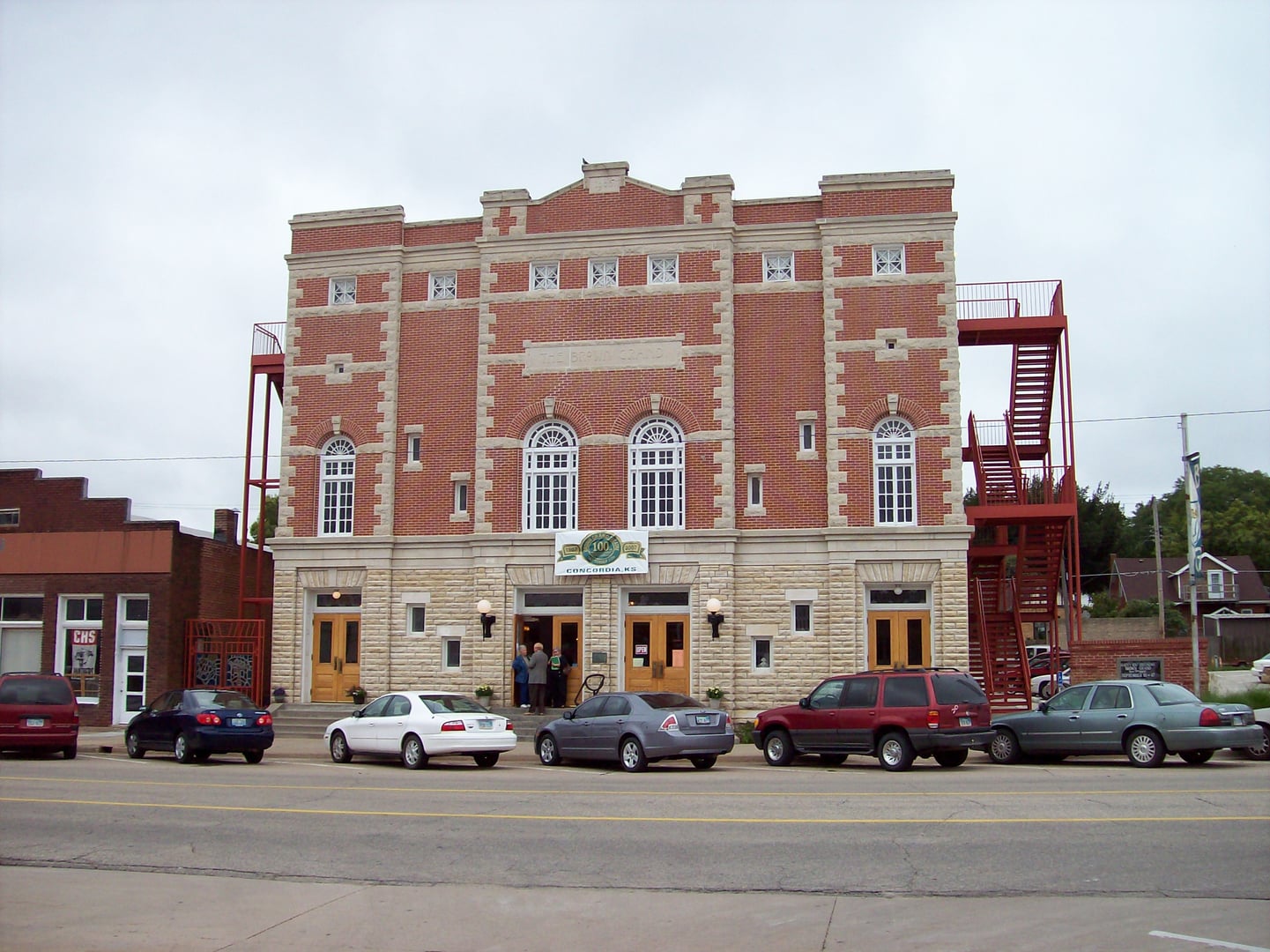
In 1900, Dr. Oscar K. Guyer — a physician practicing in the small Henry County seat of Lewisville — organized a group of local citizens to finance construction of a proper opera house for the community. Construction proceeded on a block where a fire in 1893 had destroyed earlier buildings. The new structure rose as a 2.5-story brick building on a limestone foundation, with a gable roof, a parapet facade, and cast iron storefronts on the ground level. The theater space occupied the second floor.
Guyer died in March 1901 at age 49, before the building officially opened. His funeral was held in the auditorium of the theater he had championed — making the Guyer Opera House, in its opening season, simultaneously a new venue and a memorial space.
The building operated as a performance venue through its early decades, hosting a wide range of entertainments typical of small-town Indiana. In the spring of 1923, during a firearms demonstration that included a Wild West show-style exhibition, a bullet ricocheted into the audience. Six-year-old Newell Calpha, seated in the third row, was struck in the forehead. He was carried downstairs to his father's dry goods store in the building below the theater, where he died without regaining consciousness.
The theater closed in 1942. It remained largely idle for more than two decades before being rediscovered in 1969. The Friends of the Guyer Opera House began restoration and programming, and since 1976 the building has operated as a nonprofit community civic theater. It was listed on the National Register of Historic Places in 1979. The venue currently hosts a full performance season and paranormal investigation events.
Sources
- https://en.wikipedia.org/wiki/Guyer_Opera_House
- https://henrycountymuseum.org/guyer-opera-house/
- https://guyeroperahouse.com/
- https://paranormalindy.com/the-guyer-opera-house-1
- https://www.bumpinthenight.net/guyer
- https://ghostresearch.org/Investigations/guyer.html
ApparitionsPhantom soundsDoors opening/closingLights flickeringCold spotsDisembodied laughterEquipment malfunction
The Guyer's paranormal tradition rests on two documented deaths in the building.
Dr. Oscar K. Guyer died in March 1901, before the opera house he had championed officially opened. His funeral occupied the new auditorium — the building simultaneously a new venue and a memorial space in its first season. Whether Guyer's presence is experienced through specific phenomena or through the biographical weight of the space is a distinction the accounts do not always maintain cleanly.
Newell Calpha was six years old in the spring of 1923. He sat in the third row during a traveling Wild West show's firearms demonstration. A bullet ricocheted into the audience and struck him in the forehead. Adults carried him downstairs to his father's dry goods store on the ground floor of the same building, where he died without regaining consciousness. This is a documented, named-victim historical event.
Reported phenomena at the Guyer include dressing-room lights turning on one at a time, banging from the back of the auditorium, sudden temperature changes, doors that close on their own, growling sounds in the light booth, and the outline of a person seen through the backstage windows. Capital Area Paranormal Society, Paranormal Indy, and American Hauntings Ghost Hunts have all conducted investigations at the venue, and the Guyer's management directs paranormal-investigation inquiries to Paranormal Indy as the coordinating partner.
The theater closed in 1942 and was effectively sealed until its 1969 rediscovery — decades of accumulated silence in an empty auditorium that resumed programming in 1976. The paranormal reputation formed in the context of that long dormancy.
Notable Entities
Oscar K. GuyerNewell Calpha
Media Appearances
- Oddity Files (2014)
- American Hauntings Ghost Hunts investigation destination
- Paranormal Indy featured venue