Est. 1868 · Watseka Wonder Case · Spiritualist Movement · Driehaus Preservation Award
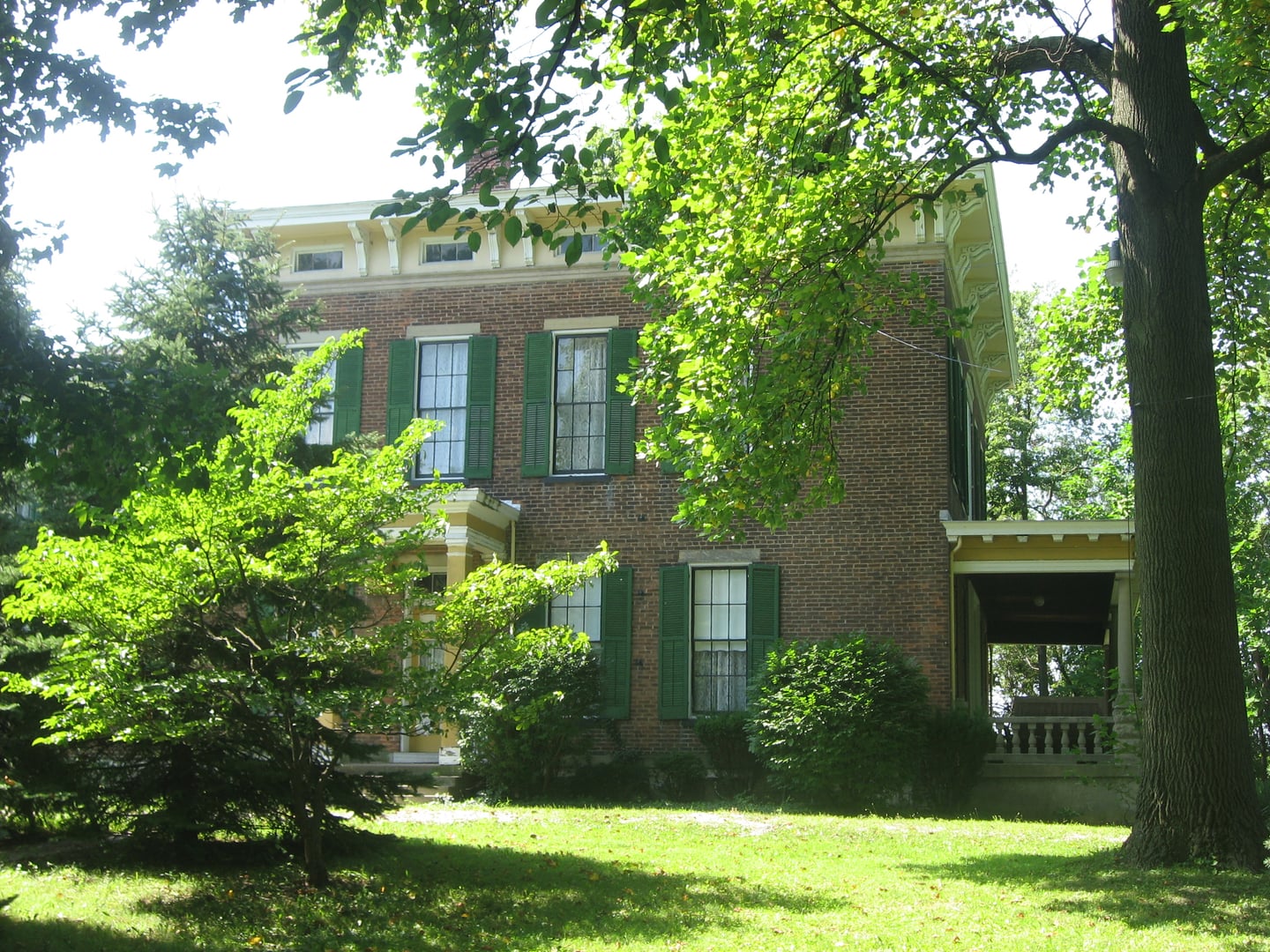
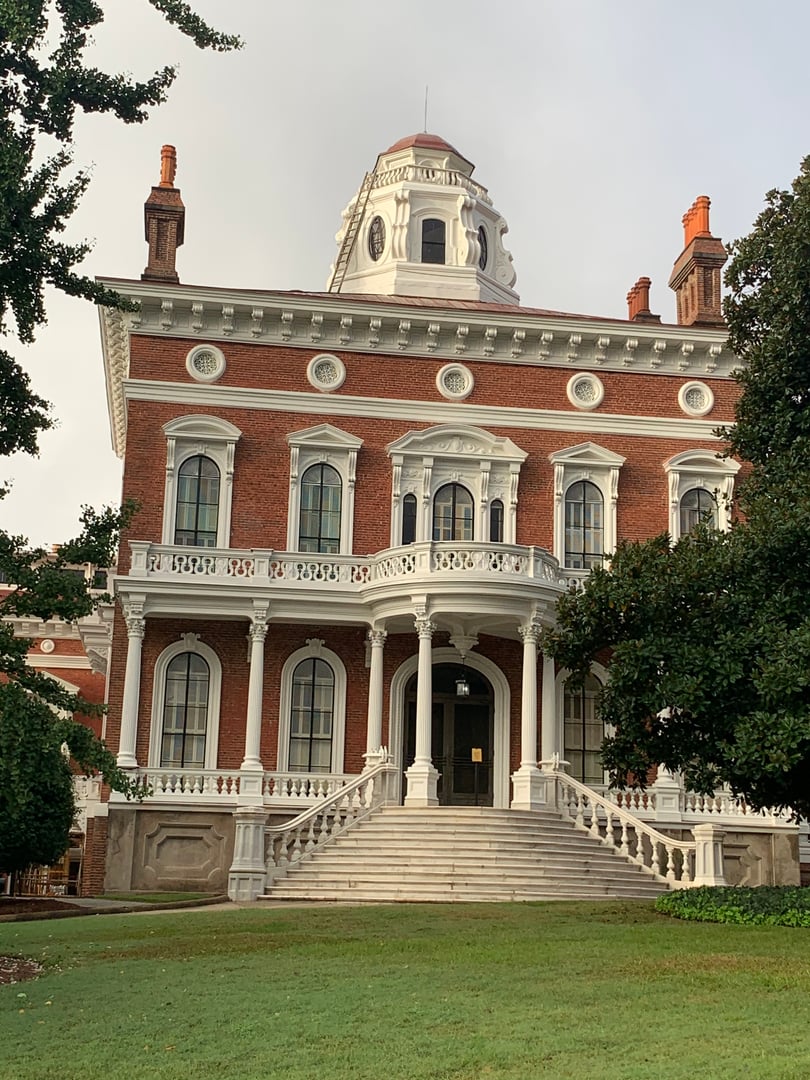
The Roff House was built in 1868 by Asa B. Roff, an attorney and one of the founders of Watseka, and his wife Anna. The Roffs were active in the Spiritualist movement, which had spread rapidly across the American Midwest in the decades following the Civil War.
The Roffs's daughter Mary suffered from severe seizures and reported spirit visitations from a young age. She died in 1865 at the age of nineteen. The family remained in the house for several more years.
In 1877, twelve-year-old Lurancy Vennum, who lived with her family on the other side of Watseka, began experiencing trances and altered states. The Roffs, hearing of her case, arranged for the Vennums to consult with Dr. E. Winchester Stevens, a Spiritualist physician. In February 1878, Lurancy reportedly announced that she was Mary Roff. With her family's reluctant permission, she moved into the Roff home and lived there as Mary for roughly fourteen weeks. She recognized Roff family members, recalled childhood incidents Lurancy could not have known, and used family nicknames. In late May 1878, Lurancy reportedly resumed her own identity and returned home to the Vennums.
Dr. Stevens published a contemporary account, The Watseka Wonder, in 1879. The case was discussed in subsequent Spiritualist literature and became one of the most-cited 19th-century North American possession reports. After C.W. Raymond purchased the property in 1912, the house passed through several owners. Beginning in 2005, new owners undertook a long-term restoration that won a Richard H. Driehaus Foundation Preservation Award in 2020 from Landmarks Illinois.
The Roff House operates today as an event venue, short-term rental, and site for guided tours and overnight paranormal investigations.
Sources
- https://en.wikipedia.org/wiki/Watseka_Wonder
- https://www.landmarks.org/preservation-programs/richard-h-driehaus-foundation-preservation-awards/roff-house-watseka/
- https://www.wbez.org/2025/10/28/whats-that-building-homes-of-the-watseka-wonder
- https://www.americanhauntingsink.com/watseka
- https://www.encyclopedia.com/science/encyclopedias-almanacs-transcripts-and-maps/watseka-wonder
- https://hauntedus.com/illinois/roff-house-haunted/
- https://ghostresearch.org/Investigations/roff.html
Cold spotsDoors opening/closingPhantom footstepsEVPEquipment malfunction
The Watseka Wonder is the legend, and it has its own primary source: a 1879 monograph by Dr. E. Winchester Stevens that ran to multiple printings and was republished in Spiritualist journals through the late 19th century.
The events as reported are these: Lurancy Vennum, a girl from another part of Watseka, took up residence in the Roff home in February 1878 and presented herself as Mary Roff. She knew the layout of rooms, the names of relatives, the location of objects she could not have seen as Lurancy. After roughly fourteen weeks she returned to her own home and lived an apparently ordinary life thereafter.
The case was discussed for decades. William James cited it in his work on psychical research. Spiritualist authors treated it as evidence; skeptics treated it as a likely case of dissociation, suggestion, or confabulation. Both interpretive frames remain.
Guests in the restored house today have reported the kinds of phenomena common to old Victorian homes: doors found open in the morning that were closed at night, sudden cold drafts in upstairs corridors, footsteps on stairs when the house was otherwise empty. Paranormal investigators who have rented the property describe equipment anomalies and EVP sessions in the room understood to have been Mary's. The current owner welcomes investigation groups by direct booking.
The Roff House does not stage theatrics. Tours focus on the documentary trail of the Vennum-Roff case and on the long restoration of the house itself.
Notable Entities
Mary RoffLurancy Vennum
Media Appearances
- The Watseka Wonder (Stevens, 1879)
- The Possessed (Booth Brothers) (2009)
- Ghost Brothers: Lights Out: Roff Family Rituals (S1E1) (2021)