Early Illinois Settlement · Frontier Burial Ground
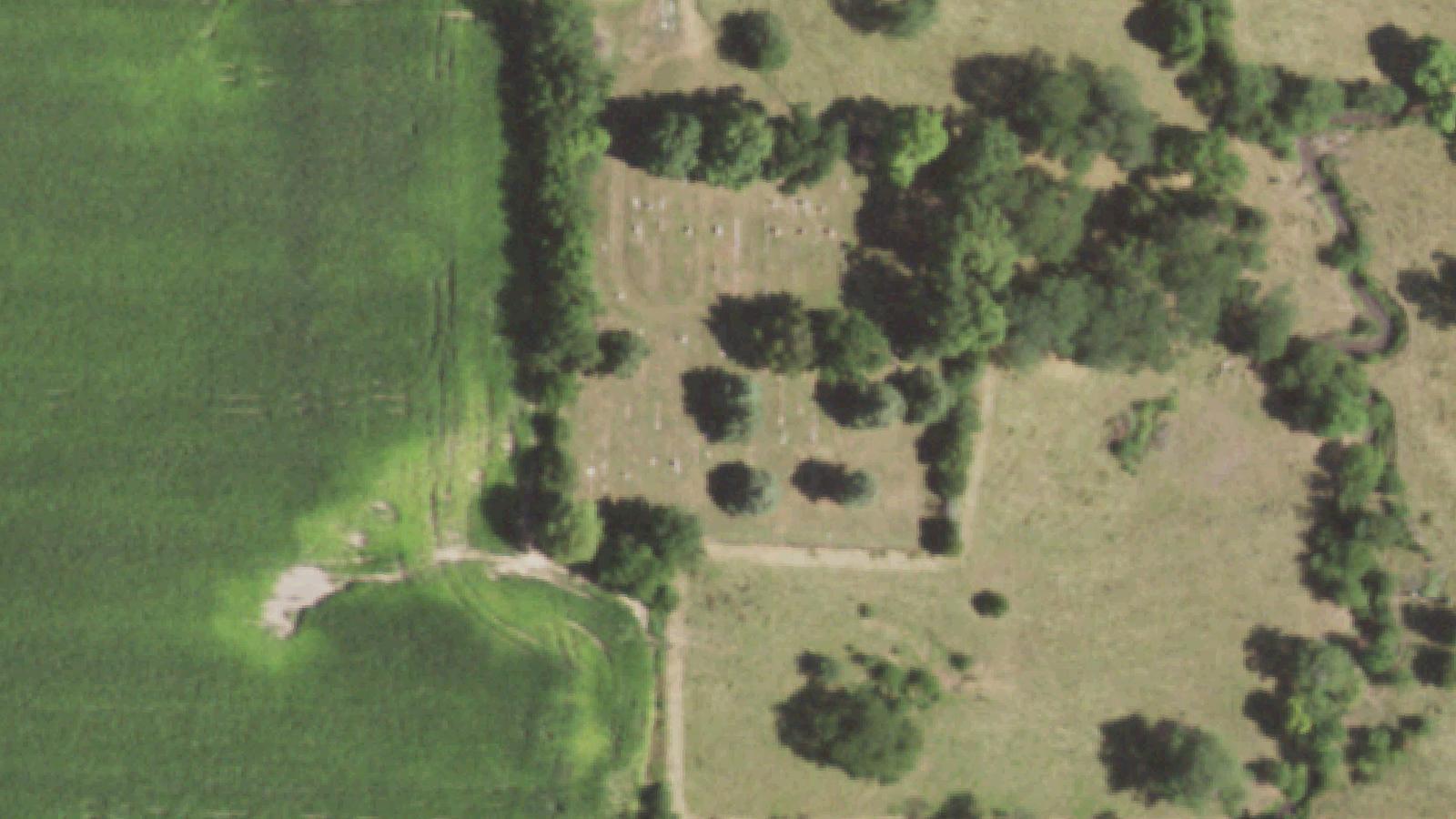
Sugar Tree Grove Cemetery sits on a gravel road near the border of Warren and Henderson counties, south of the Quad Cities. The land predates white settlement: Sauk farmers used the grove for warm-weather crops. After settlers arrived in the early 1800s, the site held Henderson Associate Reformed Church from 1833 to 1874, recognized in the Presbyterian registry as the first church in Warren County. The church is no longer standing, and a plaque now marks the spot.
Find a Grave records 406 burials at the site, with the earliest stones dating to the 1820s. Among them is Rev. John Scott, born in Scotland, who served as the second pastor of the Sugar Tree Grove church for nineteen years before becoming a professor at Monmouth College. The cemetery is documented in Warren County genealogical surveys and listed in Illinois cemetery indexes.
Sources
- https://www.findagrave.com/cemetery/108454/sugar-tree-grove-cemetery
- https://graveyards.com/Illinois/Warren/Sugar-Tree-Grove-Cemetery
- https://qctimes.com/news/opinion/editorial/columnists/john-willard/historic-haunts-at-the-sugar-tree-grove/article_9224600d-c940-59d4-8578-2a72db4a6f97.html
Cold spotsPhantom voicesOrbsApparitions
Much of the cemetery's folklore comes from community oral history rather than archival record.
Visitors and amateur investigators have reported persistent cool breezes that follow people through the cast-iron gates on hot summer days. Audio recordings made on site have been described as containing faint sounds; photographs have been described as showing indistinct figures and orbs. None of these accounts appear in published investigations or peer-reviewed paranormal research. Residents discourage after-dark visits, citing past trespassing and vandalism rather than supernatural risk.