Est. 1849 · Consecrated 1849; originally Mill Creek Cemetery, renamed 1864 · Resting place of many founding families of Newport Township (Wadsworth) · Administered by Catholic Cemeteries of the Archdiocese of Chicago · Locus of the regional 'Mary Worth' / 'Bloody Mary' folklore tradition
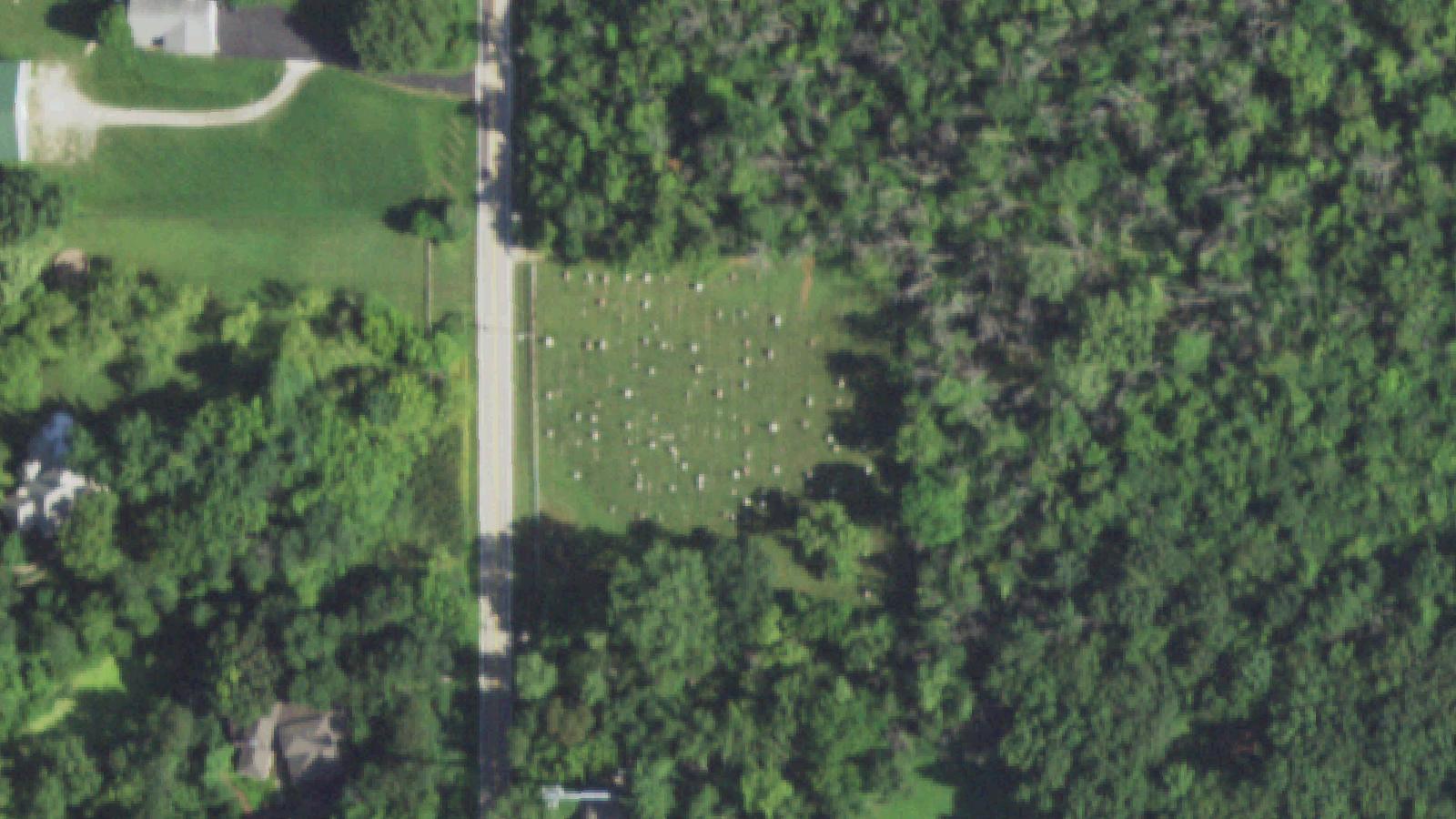
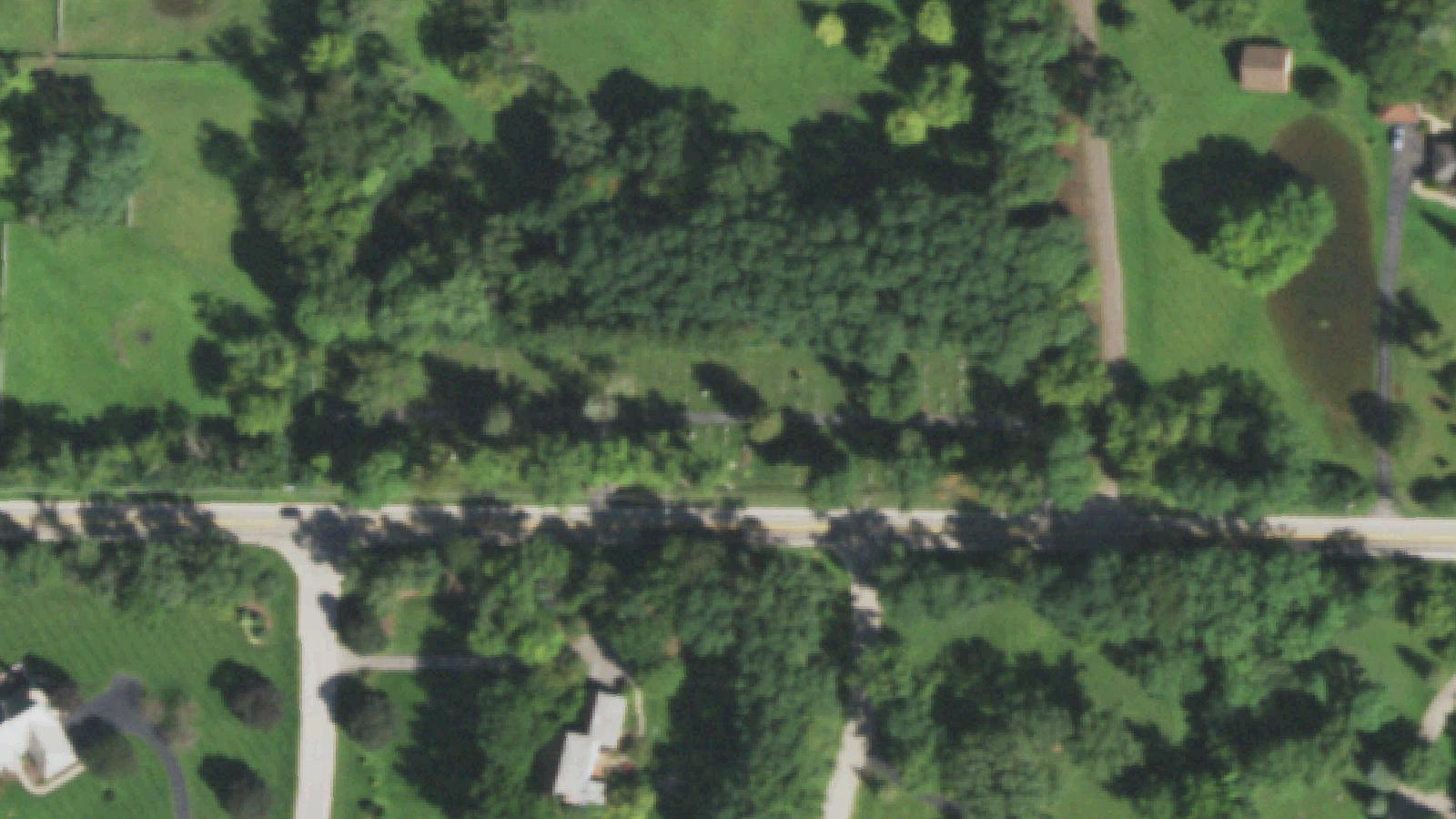
Old St. Patrick's Cemetery sits along North Mill Creek Road in the rural northern reaches of Lake County, Illinois, in the community of Wadsworth. The burial ground was consecrated in 1849 to serve the Irish Catholic farming families who had settled Newport Township in the 1840s. It was first known as Mill Creek Cemetery, taking its name from the small waterway that winds through the surrounding farmland, and was renamed in 1864.
The cemetery holds the graves of many of the area's founding families, with worn limestone and marble markers dating to the mid-nineteenth century. A small frame Catholic church once stood near the grounds; the parish identity carried over to the cemetery's name. Over the generations the surrounding district shifted from dense farmland to a mix of forest preserve and exurban development, leaving the old cemetery as one of the most visible relics of early settlement in the township.
Today the cemetery is part of the network operated by Catholic Cemeteries of the Archdiocese of Chicago, with its office administered through Ascension Catholic Cemetery in Libertyville. It remains an active, consecrated burial ground, open to the public during daylight hours. Its quiet, isolated setting on a country road has made it a fixture of regional folklore, but it functions first and foremost as a historic resting place for Wadsworth's earliest residents.
Sources
- https://www.catholiccemeterieschicago.org/locations/st-patrick-wadsworth/
- https://scaryhq.com/haunted-st-patricks-cemetery-wadsworth-illinois/
- http://www.othersidepodcast.com/blog/2016/01/14/a-night-with-bloody-mary/
Glowing or shifting tombstonesSudden cold spots and chillsSense of an unwelcome presence in the back woodsRumored nighttime gatherings
The cemetery's reputation rests largely on the legend of 'Mary Worth,' described in regional folklore as a Civil War-era Wadsworth-area figure branded a witch by her neighbors. According to the most commonly retold version (Scary HQ; See You On The Other Side; The Poison Path), Mary Worth was accused of capturing escaped enslaved people and selling them back into bondage before the Emancipation Proclamation. As the story goes, an enraged mob took matters into their own hands, with variants claiming she was lynched on her own land, burned in her home, or drowned in a nearby 'Devil's Pool.' She was said to have been denied burial in consecrated ground and interred just outside the cemetery entrance, or beneath a lone boulder on the farm across Mill Creek Road. Local historians and the sources that retell the tale generally treat 'Mary Worth' as folklore rather than a documented individual, and some link her name to the origins of the schoolyard 'Bloody Mary' mirror legend.
The paranormal reports attached to the site include glowing or shifting tombstones, sudden cold spots and chills, and the sense of an unwelcome presence in the wooded rear of the property, according to Scary HQ and accounts from regional paranormal investigators (amor et mortem). Because of its isolation, the cemetery has also drawn a long-running 'Satanic Panic' reputation as a supposed gathering place for cult activity, a recurring rumor that local sources note is more a product of the site's lonely setting than any verified events.
These claims are local legend, not established fact. The Mary Worth narrative in particular should be read as folklore: the historical figure is not documented, and the story's slavery-era framing is part of an evolving oral tradition rather than a confirmed historical record.
Notable Entities
'Mary Worth' (legendary 'witch' figure; treated as folklore)