Est. 1906 · Dutch Revival Architecture · LEED-Gold National Register Building · Illinois Historic Preservation
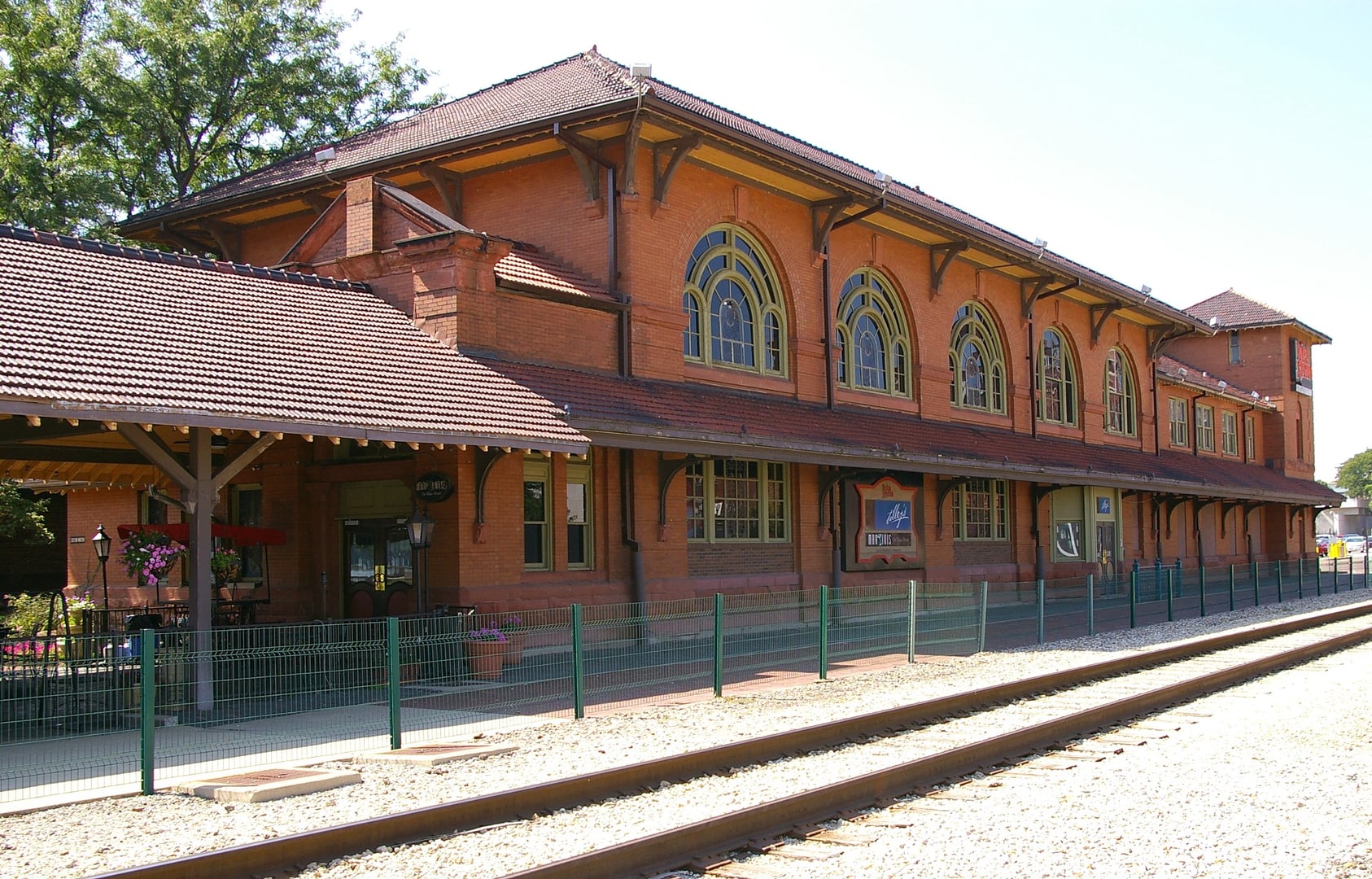
The building at 324-326 N. Vermilion Street was constructed in two phases. The northern section went up in 1906 in the Dutch Revival style; the southern section followed in 1927, matching the same architectural language. For much of the latter 20th century the building stood as a deteriorating downtown landmark — a condition that generated the usual cycle of abandonment, vandalism, and partial reoccupation.
Restoration transformed the Holland into 57 units of low-income and assisted-living housing. The project achieved a significant distinction: Illinois's first LEED-Gold certification on a National Register of Historic Places building. The combination of historic preservation and green building standards in a distressed downtown structure drew national attention in sustainable rehabilitation circles.
Sources
- https://fuhrmann-eng.com/project/the-new-holland-apartment-building-danville-illinois-leed-gold/
- https://en.wikipedia.org/wiki/Holland_Apartments
Cold spotsOrbsObject movement
The Holland Apartments' basement is the focus of the paranormal tradition attached to this building. Cold spots are described as localized and persistent — felt by multiple people in the same areas over time. Light fixture chains swing independently, a phenomenon residents have noted during quiet periods when the building's HVAC and foot traffic cannot account for the movement.
Orb photography from the basement has been offered as evidence by multiple residents and former occupants. Orb photographs are among the most contested categories of paranormal documentation — dust and moisture particles produce similar results — but their consistent production from one specific location is a recurring data point.
A man was found dead in the basement. The cause was never officially determined — the account acknowledges the ambiguity explicitly, noting it could have been drug overdose or violence. Without a resolved cause of death, the historical anchor is present but incomplete.