Drive-By
Campus Exterior View
Maryville Academy is an active social services campus and not open for paranormal tourism. The campus can be observed from the public road. Do not enter without permission.
- Duration:
- 15 min
HauntBound archive · catalog record
Reported phenomena, as catalogued
Historic Catholic Orphanage in Des Plaines
Des Plaines, IL 60016
Research updated September 2026
Age
All Ages
Cost
Free
Active social services organization — not a public tourist attraction.
Access
Accessibility not stated
Paved campus
Equipment
No Photos
Est. 1883 · Catholic Social Services · Orphanage History · Illinois Institutional History
Archbishop Patrick A. Feehan established Saint Mary's Training School in 1883 on 880 acres north of Des Plaines, providing a farm-based home for dependent and neglected boys where they could learn trades and receive an education. The scope expanded in 1911 when girls from three Chicago institutions joined the campus, enabling sibling reunification that the orphanage model had previously prevented.
A four-year high school program launched in 1939. In 1950, students voted to rename the institution Maryville Academy, a name it carries today. Through the 1960s and 70s, new residential facilities were constructed for high school students; the 1980s brought foster care, shelter services, and programs for pregnant teens. Hurricane Katrina relief work in the mid-2000s expanded the organization's healthcare reach.
Maryville Academy currently operates 19 programs across four service areas — family, residential, healthcare, and education — in five Illinois locations. The campus bears no resemblance to its orphanage origins in mission, though its institutional presence in Des Plaines remains a touchstone of the region's Catholic social services history.
Sources
The account comes from one witness: a woman who, at roughly age 10 in approximately 1931, was sleeping in the girls' dormitory when she and the other children heard something approach. The description, preserved in a 2004 testimony from her daughter, is precise — the slow click of low heels, the swishing of robes, and the shifting of rosary beads. Nothing was visible.
The presence moved down the row of beds and stopped at the girl's. She felt a weight settle onto the foot of her mattress — the pressure and weight of a live person, according to her account. She lost consciousness and did not recover awareness until the morning bell. The children developed a consensus theory: a nun who had died at Maryville, likely in the 1918 influenza epidemic, had never stopped checking on the children in her care.
No additional corroborating accounts have been surfaced from the period. The phenomenon fits the archetype of a residual auditory loop — specific, repeating sensory data with no interactive component — which investigators have noted makes independent verification particularly difficult.
Notable Entities
Maryville Academy is an active social services campus and not open for paranormal tourism. The campus can be observed from the public road. Do not enter without permission.
Some links on this page may earn HauntBound a small commission when you book, at no extra cost to you. Our editorial picks are independent. Full disclosure
Every HauntBound history is researched from documented sources. We clearly separate verified historical fact from paranormal folklore.
Free Guide
12 verified stops, rated for families, mapped in order. Free.
One email to confirm, then the guide link. Unsubscribe anytime.
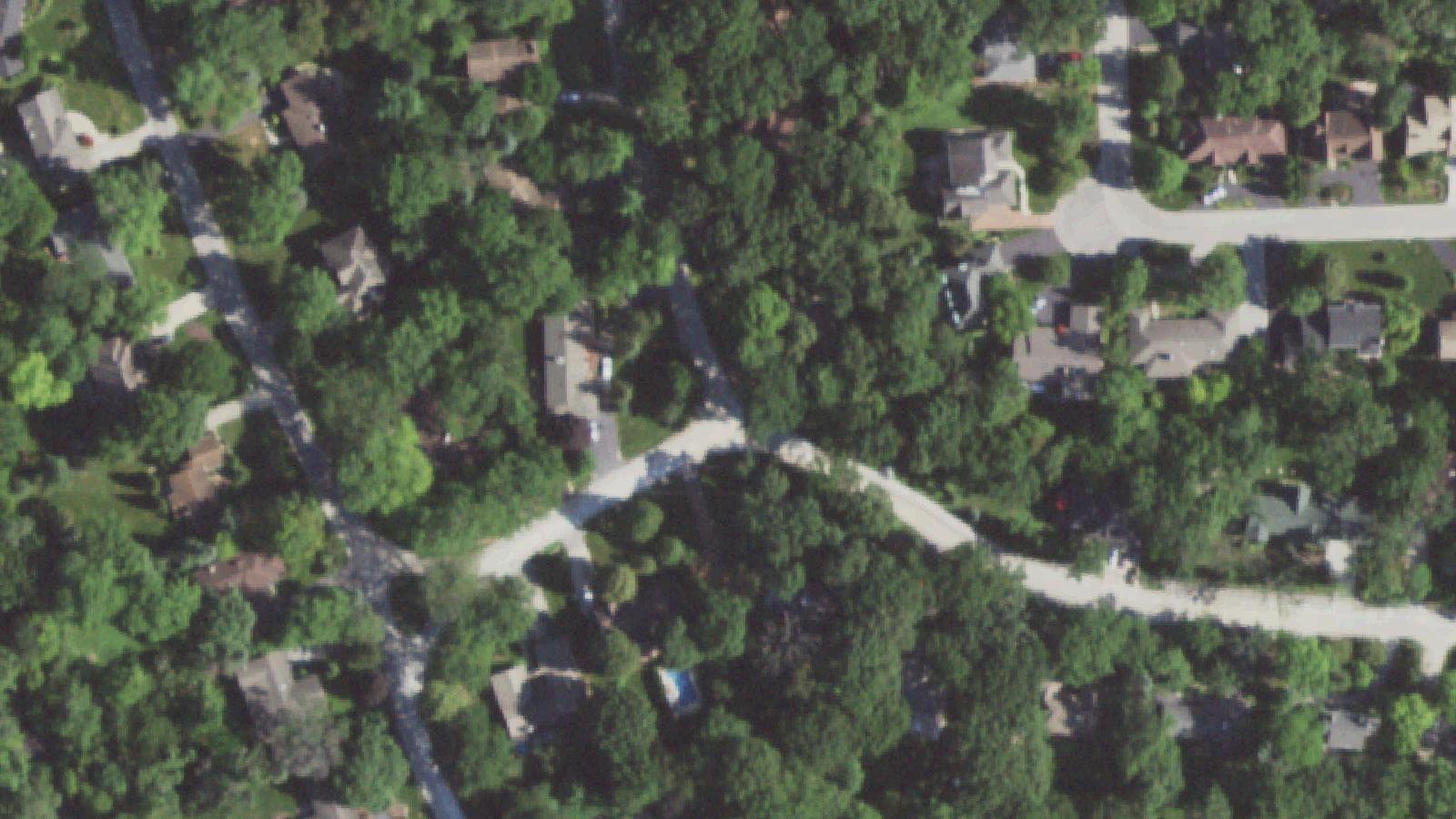 Aerial survey · USDA NAIP
Willow Springs, IL
On January 22, 1957, construction worker Leonard Prescott discovered the nude, frozen bodies of Barbara Grimes, 15, and Patricia Grimes, 12, beside German Church Road in unincorporated Willow Springs, approximately 200 feet east of County Line Road near Devil's Creek. The girls had disappeared from Chicago on December 28, 1956, after attending a movie. Police questioned 300,000 people and conducted serious interrogations of approximately 2,000 individuals. The case remains unsolved.
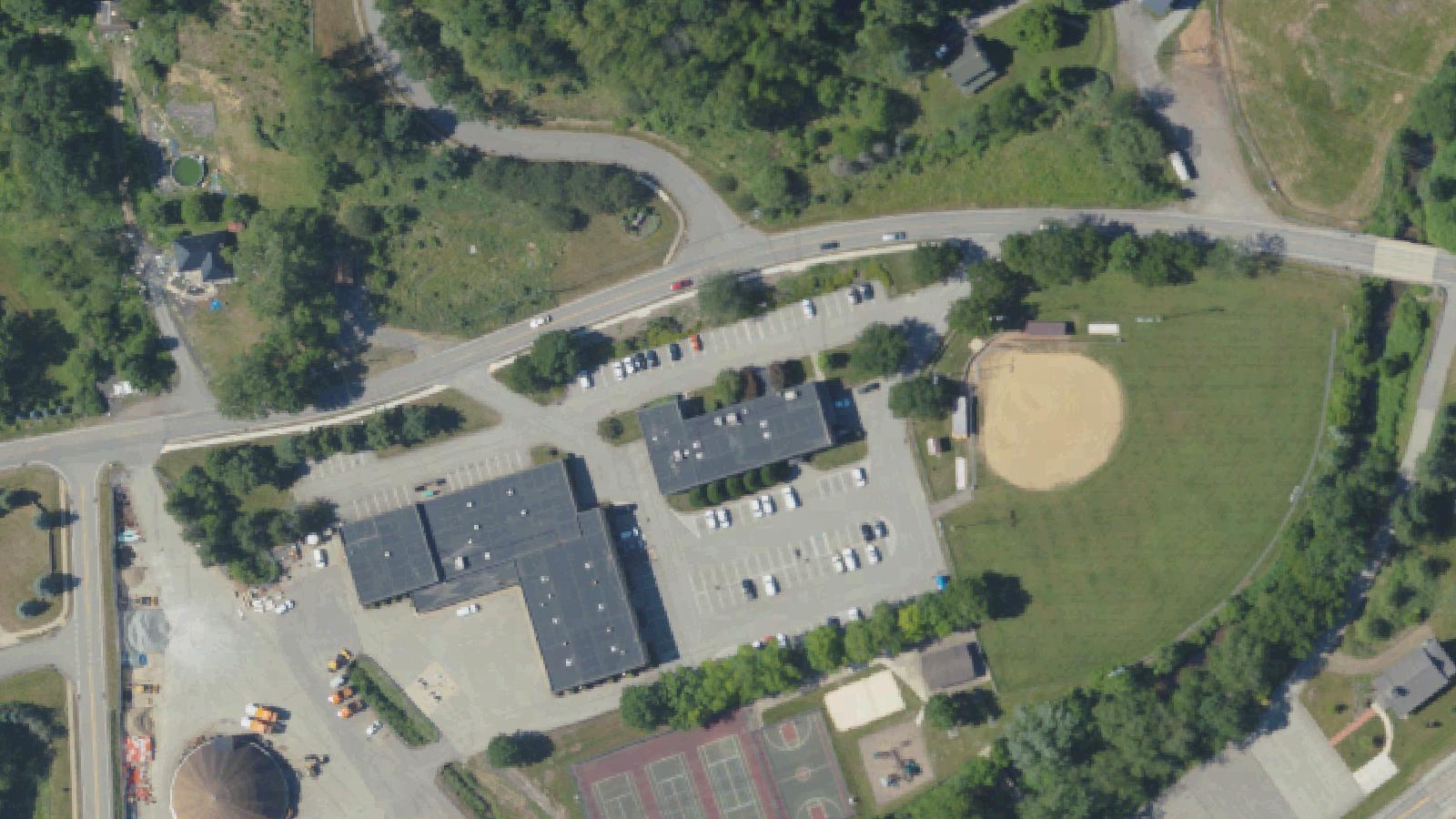 Aerial survey · USDA NAIP
McCandless, PA
McCandless Town Hall at 9955 Grubbs Road sits on land that was once active farmland in what is now Allegheny County. The township itself dates to 1851 as Taylor Township, renamed McCandless Township in 1857 after District Judge Wilson McCandless. The current building was constructed in 1960.
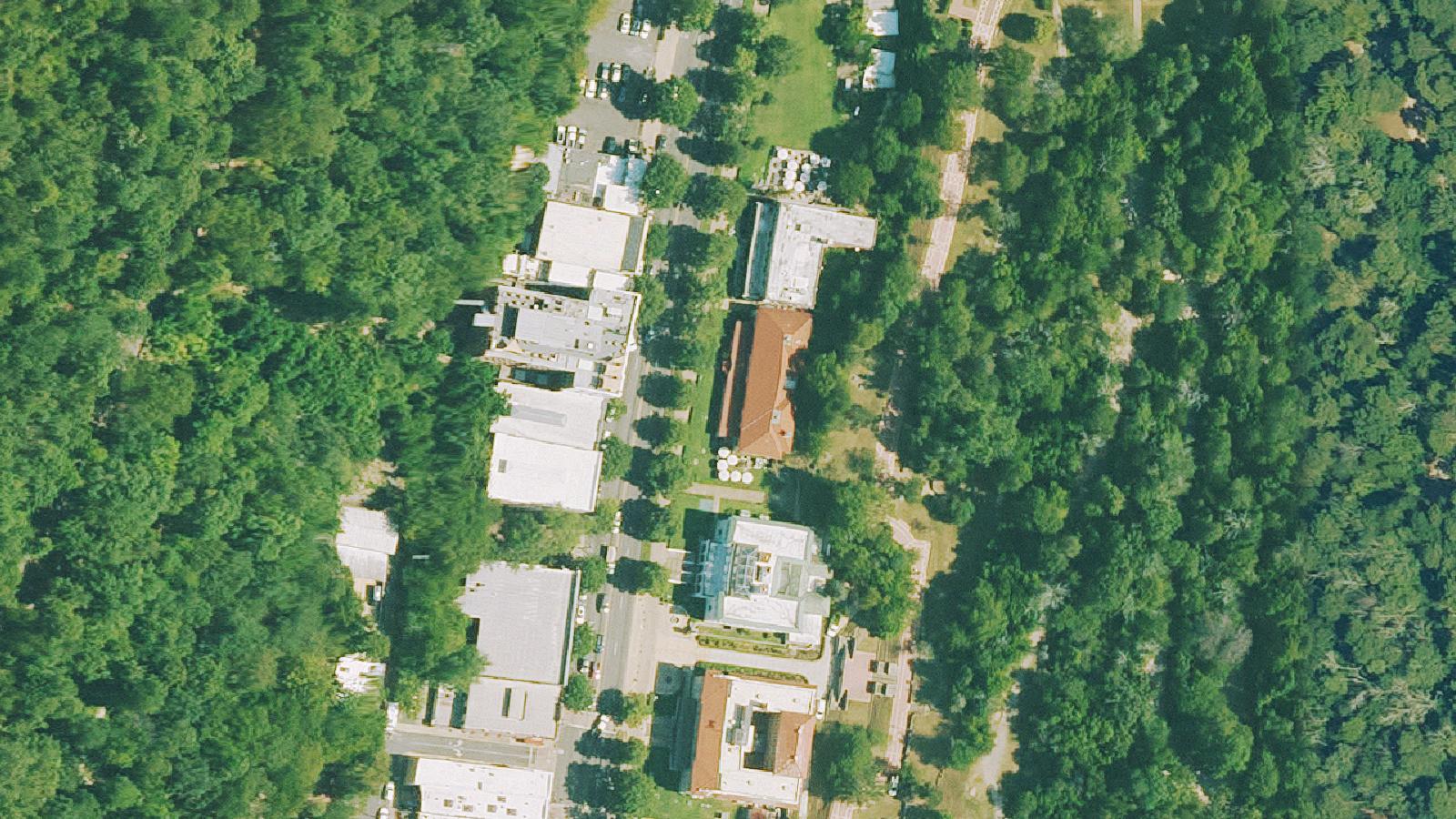 Aerial survey · USDA NAIP
Hot Springs, AR
The Poet's Loft operated at 514B Central Avenue in Hot Springs, Arkansas, across from Bathhouse Row, where for more than a decade Dr. Paul Tucker and Suzanne Tucker hosted the long-running Wednesday Night Poetry event documented in the Encyclopedia of Arkansas. The venue is no longer at that address; the building sits within the Hot Springs Central Avenue Historic District.