Rural Church History · Mason County Illinois History
The church that stood at this site is now gone. Regional paranormal researchers Chad Lewis and Terry Fisk, in their 2007 Illinois Road Guide to Haunted Locations, noted that the church was removed from the property deed by 1955, establishing a terminus for the fire. Whether the congregation died in the fire or whether the fire occurred during a service without fatalities is not established in historical records.
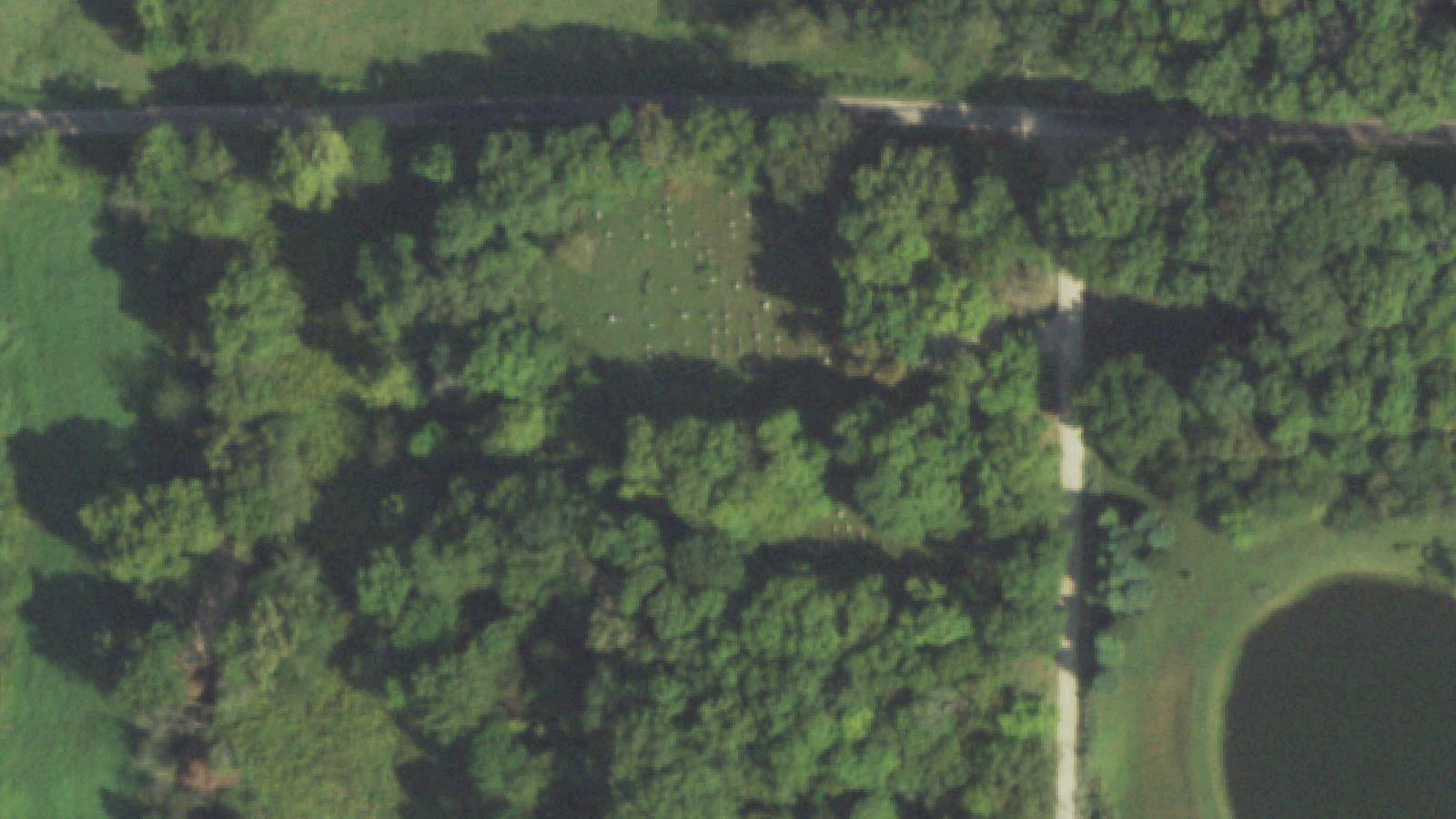
The cemetery that remains contains graves associated with the community that gathered at the church. A distinctive white gate marks the entrance. The preacher of the congregation is said to be buried beneath a tree at the back of the cemetery — a grave identified in local lore as the physical anchor of the site's tradition.
Mason County, like much of central Illinois, was settled in the early-to-mid 19th century by farming communities with strong church traditions. The specific congregation history of this site is not well-documented in accessible archives.
Sources
- https://michaelkleen.com/2018/07/31/bishop-zion-cemeterys-ghostly-guardian/
- https://discover.hubpages.com/travel/Haunted-Cemeteries-In-Illinois-Part-II
Cold spotsPhantom soundsDisembodied laughterPhantom voices
The chill is the first thing visitors note at Mt. Zion — reportedly beginning at the white gate and persisting through the grounds regardless of weather or season. This environmental consistency, cited across multiple independent accounts, distinguishes the site from the seasonal atmospheric effects of any rural cemetery.
The auditory accounts are two-tiered. The more ambient reports describe the laughter of girls — specifically adolescent-sounding voices — and sharp whistling emerging from the surrounding treeline during late-night visits. These sounds have no identified source.
The most locally specific tradition involves the preacher's grave beneath the tree at the rear of the cemetery. According to the account preserved in regional folklore, knocking on that tree transmits the knock through the root system to the interred body, prompting a sudden cry or shriek from somewhere underground — or from somewhere close. The mechanics of this tradition are clearly folkloric rather than literal, but the tradition itself is well-established in the regional record and predates digital documentation of the site.