Early Illinois Settlement · Underground Railroad History
New Lenox Township in Will County, Illinois carries settlement history dating to the 1820s and 1830s. Among its earliest named settlers was the Gougar family: John Gougar acquired land in 1830 on behalf of his father William, who established a post office at the family farm in 1832. Gougar Road is named for this lineage.
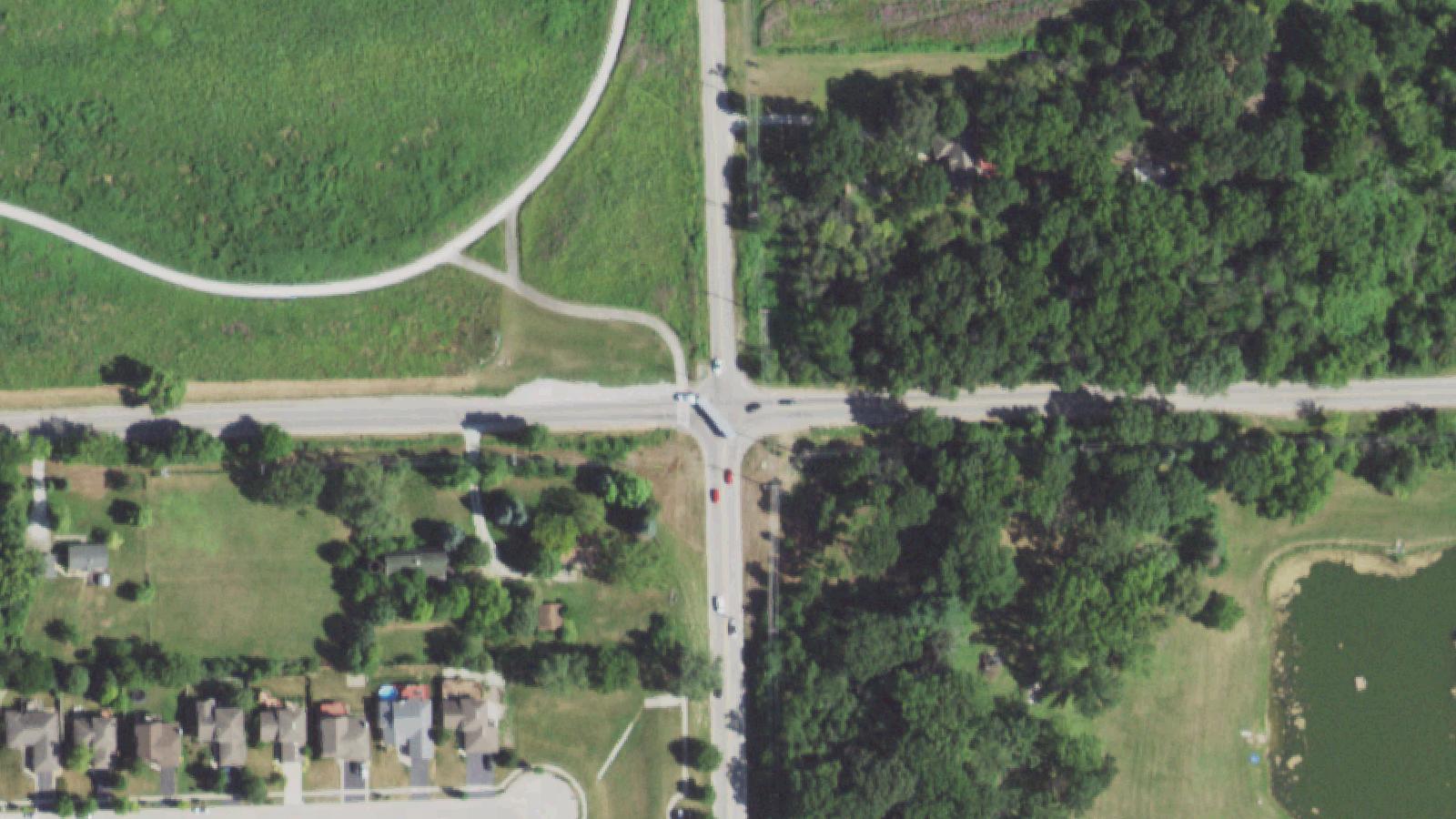
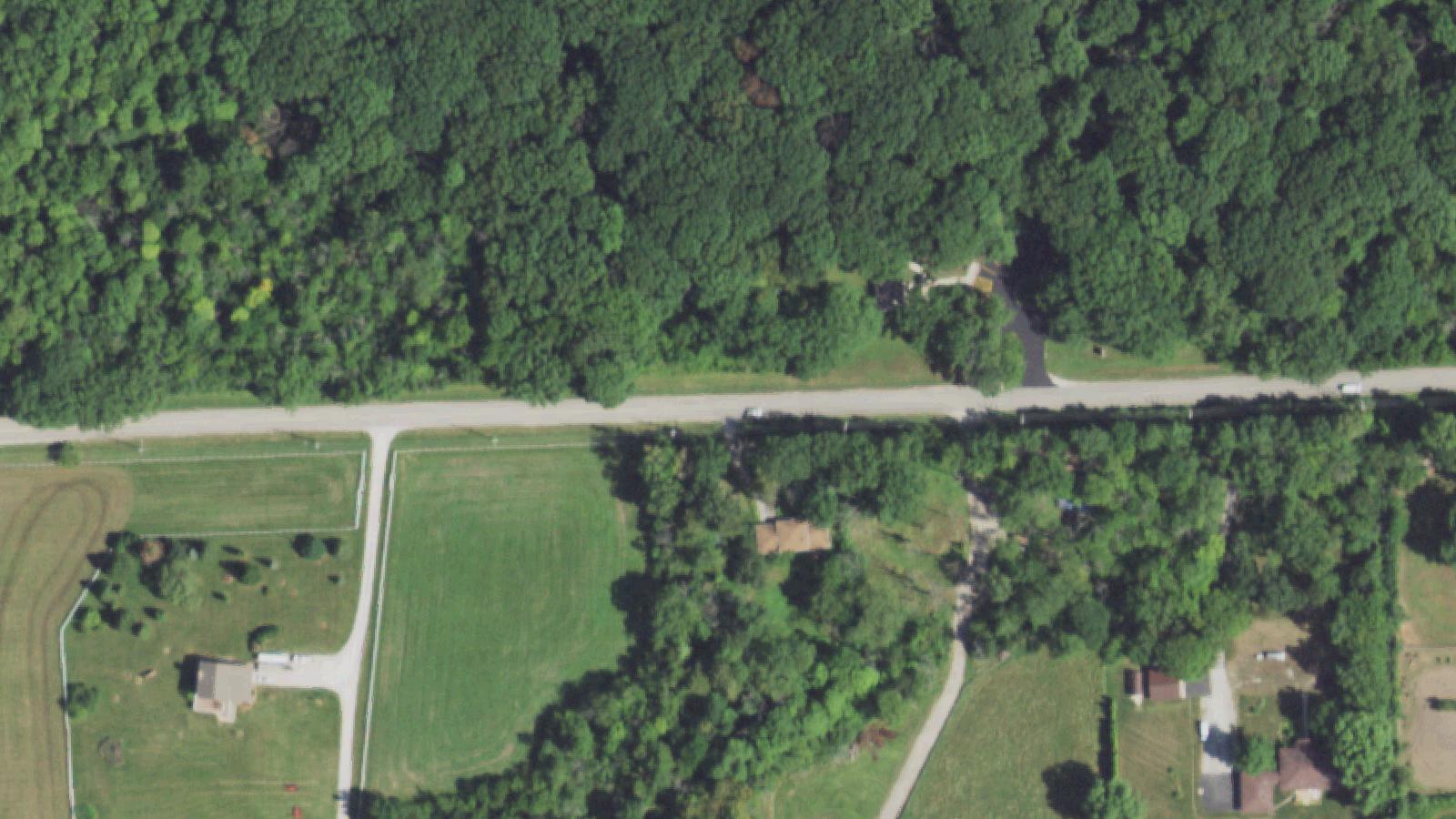
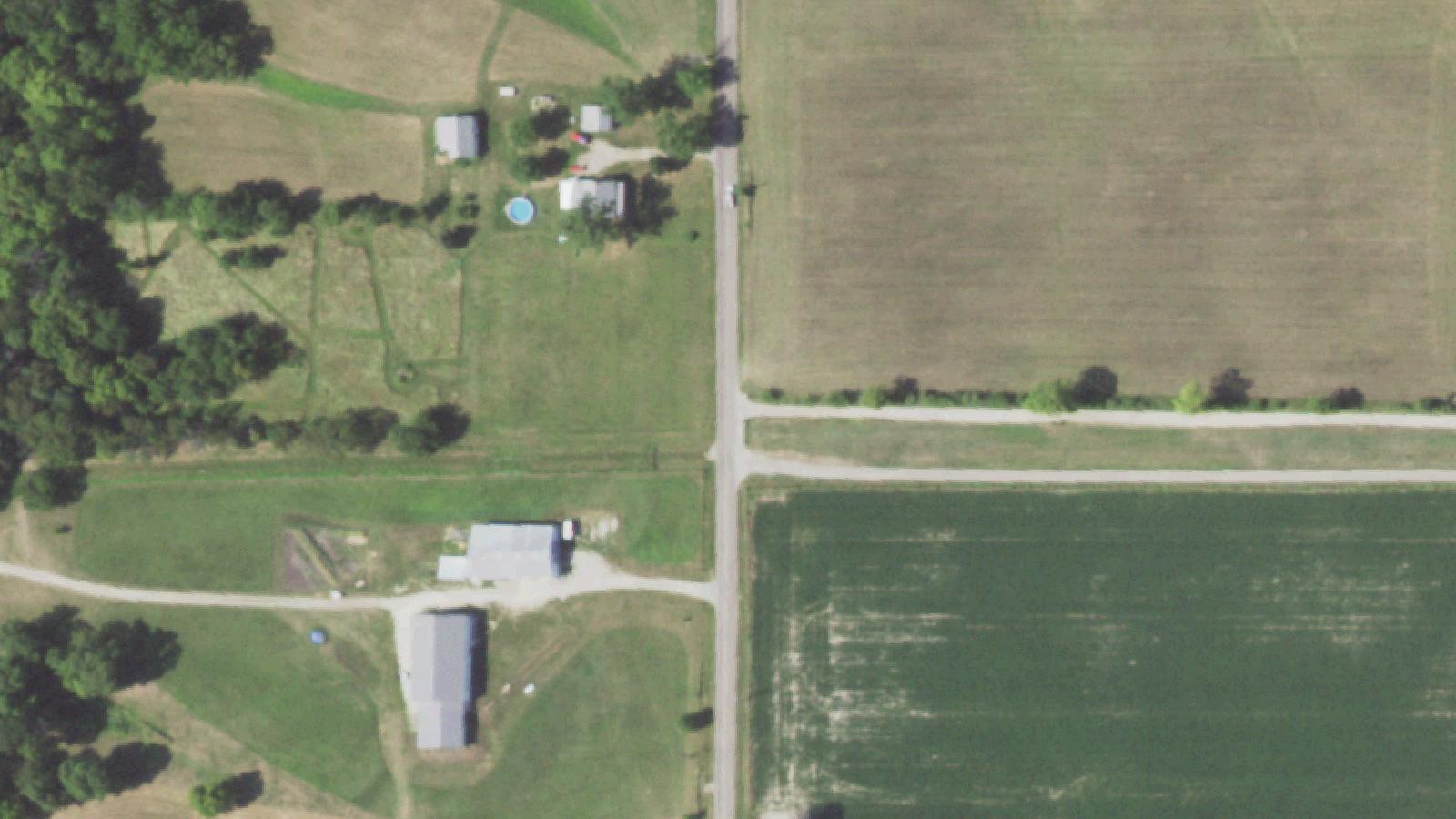
The area's agricultural landscape — established farms with barns, outbuildings, and isolated residences — is the environmental context for the road's paranormal legend. New Lenox Township also has documented Underground Railroad history: a farm west of Gougar Road at present-day Haven Avenue, operated by Abel Bliss and his descendants, served as a hiding place for people escaping enslavement.
No specific farmhouse, date, or named individual has been identified in connection with the suicide legend attached to Gougar Road. The story circulated in regional paranormal accounts and a 2009 TribLocal feature on haunted places in the south suburbs without primary historical documentation.
New Lenox Township also has documented Underground Railroad history: a farm west of Gougar Road at present-day Haven Avenue, operated by Abel Bliss and his descendants, served as a hiding place for people escaping enslavement. This historical layer is part of the broader cultural memory of the corridor, though no documented connection has been established between the Underground Railroad history and the specific paranormal legend attached to the Gougar Road/Route 6 intersection.
Sources
- https://patch.com/illinois/newlenox/haunted-new-lenox-gougar-road-route-6
- https://www.newlenoxhistory.org/history/history3.html
- https://www.hauntedplaces.org/new-lenox-il/
ApparitionsSensed presenceResidual haunting
The legend of Gougar Road belongs to a well-established category of American rural ghost folklore: the headless figure on a country road, appearing at night, attributed to a violent or traumatic death in the surrounding farmstead.
In this version, the figure walks along the north side of Gougar Road. The death is placed in a farmhouse barn — described as a suicide by hanging — with the headlessness as the legend's central and unexplained detail. Hanging does not produce decapitation, which suggests the headless apparition is a folkloric embellishment rather than a literal description of the death, or that the legend has absorbed elements from a separate source over generations of retelling.
No named individual, property record, or historical incident has been identified that corresponds to the farmhouse and suicide described in the account. The intersection with Route 6 is a practical landmark in a semi-rural corridor of Will County, making it a logical anchor point for a road-based legend.
Hanging does not produce decapitation, which suggests the headless apparition is a folkloric embellishment that has accreted to the legend over generations of retelling, or that the story has absorbed elements from a separate source. No named individual, property record, or historical incident has been identified that corresponds to the farmhouse and suicide described. A 2009 TribLocal feature on haunted places in the south suburbs and Patch's New Lenox haunted-places coverage both document the legend's circulation but do not anchor it to verifiable history.