Est. 1905 · Last public hanging in Illinois — Charlie Birger, April 19, 1928 · Gallows used for last public hanging in US — Owensboro, KY, August 14, 1936 · National Register of Historic Places, 1999
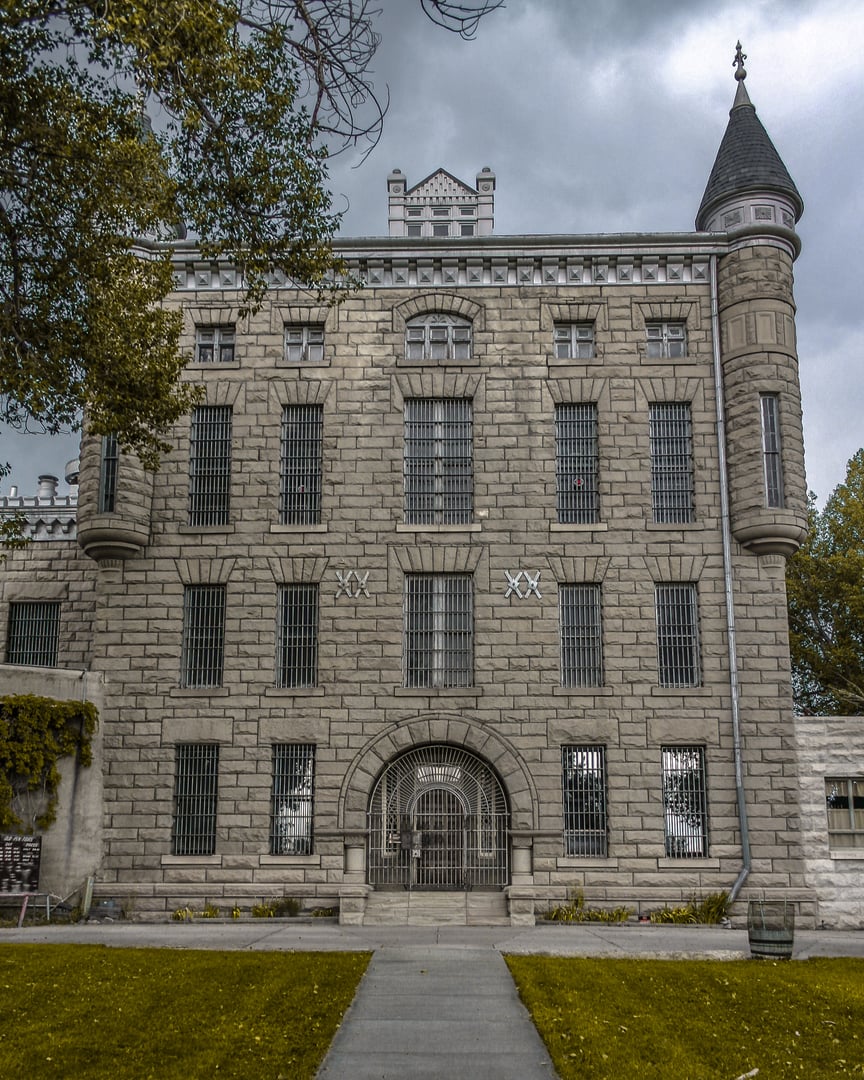
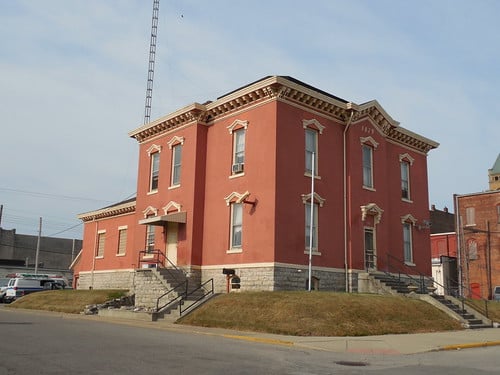
The Franklin County Jail was constructed in 1905 to replace an earlier facility, built of brick to the standard southern Illinois county jail design of the period. It operated as an active correctional facility through most of the twentieth century before transitioning to museum use.
The building's place in Illinois history is defined by a single event: the April 19, 1928, public hanging of Charlie Birger on the jail grounds. Birger had operated a bootlegging and protection racket in southern Illinois through the 1920s, eventually in direct conflict with the rival Shelton gang. His crimes escalated to murder and he was convicted of the killing of Joe Adams, the mayor of West City. The execution was conducted in public, drawing a large crowd to Benton — a practice that had already become rare by 1928. Birger was the last person publicly hanged in Illinois.
The gallows used in Birger's execution were subsequently transported to Owensboro, Kentucky, where they were used on August 14, 1936, for the public hanging of Rainey Bethea, convicted of murder and assault. That execution is documented as the last public hanging conducted in the United States.
The jail was added to the National Register of Historic Places in 1999 in recognition of its architectural integrity and its association with the Birger execution. The Franklin County Historical and Genealogical Society has operated the building as a museum since 1990, maintaining exhibits on the Prohibition era and the jail's full operating history.
Sources
- https://en.wikipedia.org/wiki/Charlie_Birger
- https://www.enjoyillinois.com/explore/listing/franklin-county-jail-museum/
- https://thesouthern.com/news/local/supposed-haunting-brings-visitors-to-jail-museum/article_605d3246-fbf8-11e2-a0d2-0019bb2963f4.html
Phantom footstepsDisembodied voicesObjects displaced between sessionsCold spotsEVP
The Franklin County Jail's reputation as a haunted site developed steadily after the building transitioned to museum use. Renovation crews working on the building in the early 1990s were among the first to document anomalies, describing tools moved between work sessions and sounds from empty areas of the building that did not correspond to settling or mechanical causes.
Staff working regular hours in the museum have described hearing footsteps on the original staircase when no one is upstairs, voices in the cell block area during early morning hours before opening, and doors closing in areas that were left open. These accounts are consistent across multiple staff members over the museum's operating years and were documented in a 2013 article in the Southern Illinoisan.
Paranormal investigators who have booked overnight sessions through American Hauntings Ink report the most activity near the location associated with Birger's cell and the execution site. Multiple investigation sessions have produced EVP recordings described as male voices, and investigators report unexplained cold spots that move through the building rather than remaining stationary.
The museum does not promote a single narrative about the building's haunted status, presenting the reports as an aspect of the jail's history rather than as confirmed phenomena. American Hauntings Ink has made the Franklin County Jail a regular offering in their southern Illinois investigation schedule.
Notable Entities
Charlie Birger
Where this legend is told