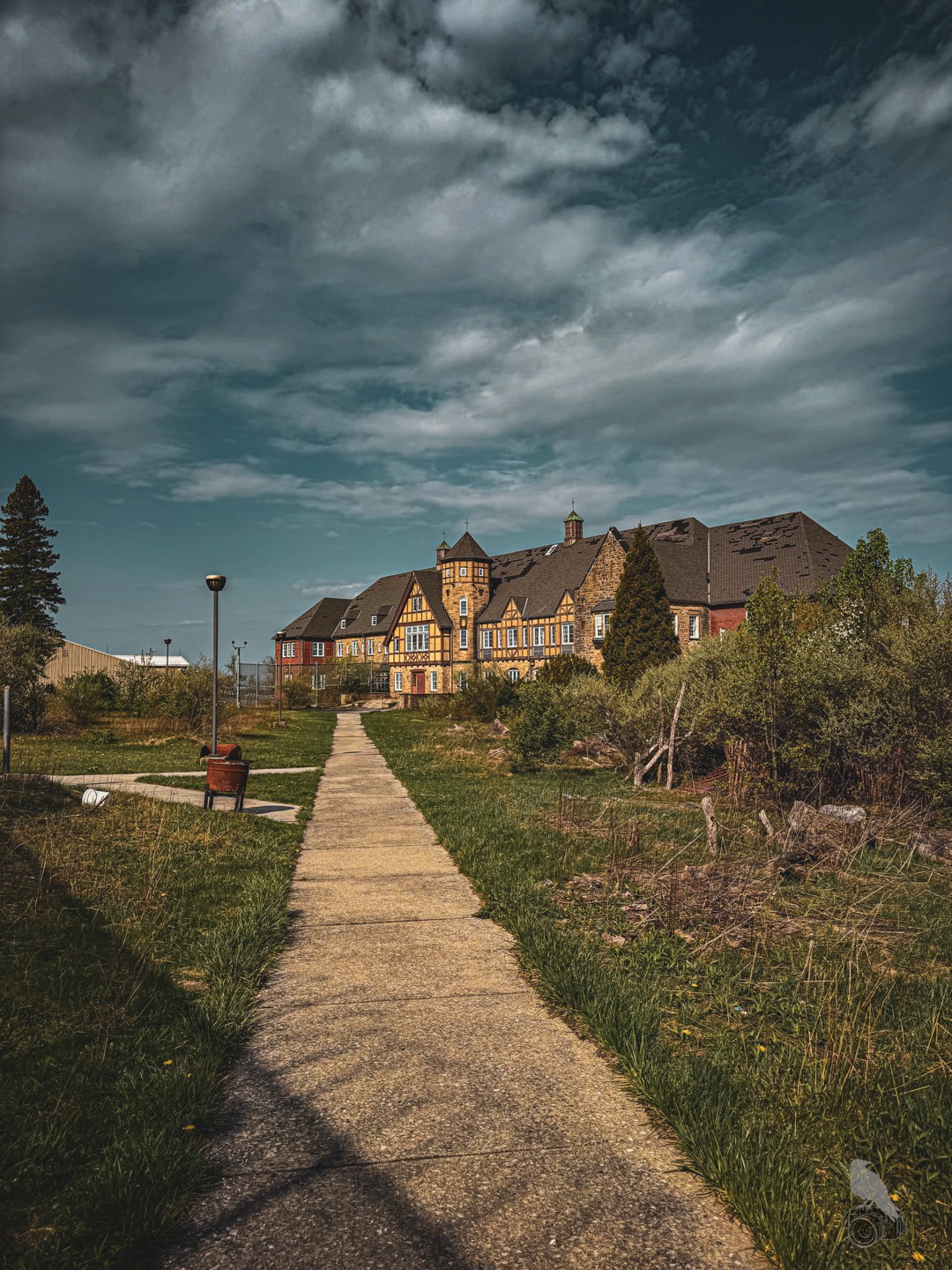
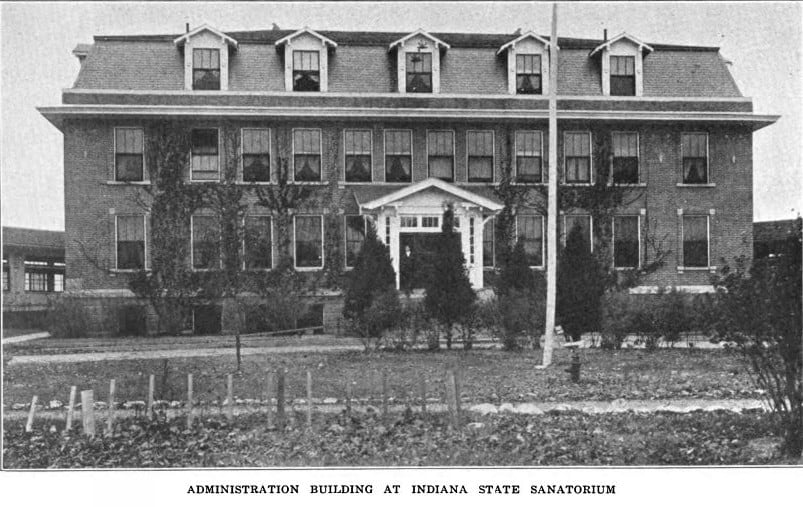
Est. 1857 · Reportedly constructed 1857 as Underground Railroad stop · Converted to tuberculosis sanitarium under Dr. W.H. Enos in 1911 · Part of Alton's Civil War-era and abolitionist heritage landscape
The building sits on the hillside above downtown Alton, in an area with deep antebellum history. According to accounts documented in Alton ghost-tour tradition, the structure was built in 1857 by Nathaniel Hanson, described as an abolitionist, with design features intended to facilitate Underground Railroad operations: a basement tunnel system and a rooftop cupola from which signals could be sent to freedom seekers crossing the Mississippi River nearby.
Alton's position on the Mississippi, directly across from Missouri — a slave state — made it a significant waypoint in the Underground Railroad network. Elijah Lovejoy, the abolitionist printer murdered in Alton in 1837, is the city's most documented antislavery figure, and Alton's role in the Underground Railroad is historically attested at multiple sites, though specific building-level attributions vary in their documentation.
In 1911, the building was converted to a tuberculosis sanitarium by Dr. W.H. Enos. Tuberculosis sanatoriums of that era were typically facilities for long-term patient isolation and care; mortality rates were significant given the state of treatment at the time. The sanitarium operated under Dr. Enos's name for a period that has not been precisely documented in available primary sources.
The building subsequently passed through other uses and remains standing in upper Alton. It is a recurring point of interest in Alton's developed ghost-tour infrastructure, which includes several operators and is one of the more organized haunted-tourism circuits in Illinois.
Sources
- https://m.hauntedillinois.com/realhauntedplaces/altons-haunted-hill.php
- https://strangertravelsusa.com/alton-haunted-locations/
Cold spotsDark figuresPhantom touch sensations in basement tunnelsObjects disappearing
The paranormal claims at the Enos Sanitarium combine two categories of dark history: the secrecy of Underground Railroad operations and the suffering associated with a tuberculosis facility. Both layers contribute to the site's atmosphere in the accounts documented in Alton ghost-tour tradition.
Reported phenomena include cold spots throughout the structure, dark figures observed moving through interior spaces, and a notable account of people feeling what they describe as a hand grasping theirs in the basement tunnel area — the space reportedly used for Underground Railroad concealment. Objects left in the building have reportedly disappeared without explanation.
The combination of claimed UGRR tunnels and a later sanatorium history is a recurring pattern in Alton haunted folklore. The specificity of the tunnel-hand experience distinguishes the Enos accounts from generic cold-spot reports and has made it one of the more cited venues in Alton's ghost-tour descriptions.