Hardin County Rural Cemetery · Iowa Frontier Settlement
Hardin County in north-central Iowa was settled during the mid-19th century, with farming families establishing homesteads across the prairie terrain. Rural cemeteries like Hazel Green were established to serve these dispersed communities — too far from town for regular church burial, close enough to family farms to maintain.
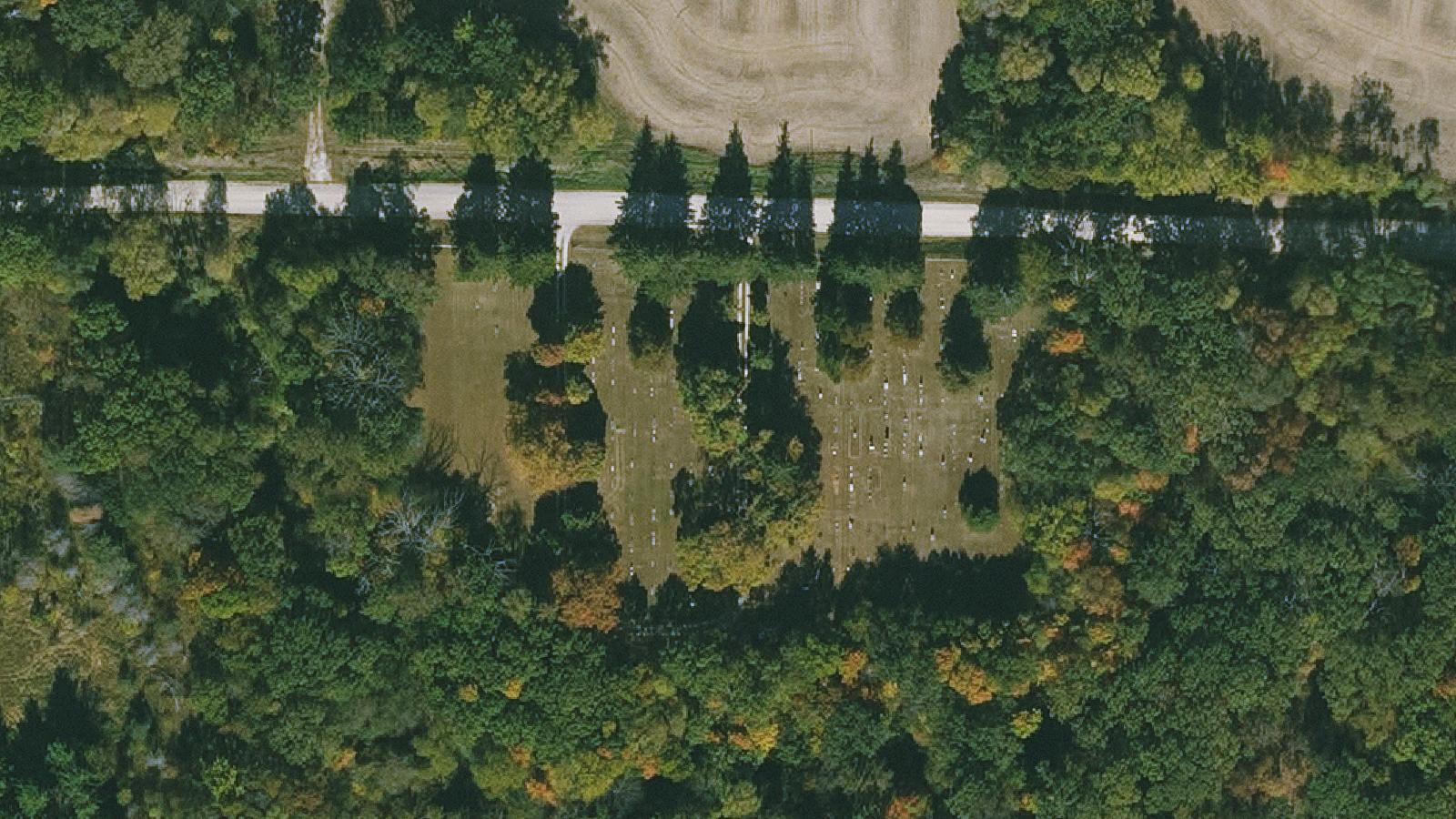
Hazel Green Cemetery sits on a county road south of Ackley, surrounded by agricultural land. The cemetery's physical structure includes a gazebo — an unusual feature that distinguishes it from most small Iowa rural burial grounds and has become the spatial anchor for its paranormal reputation.
The cemetery appears in Find a Grave records, confirming its existence as an active historic burial site. Its name suggests either a founding family or a reference to the natural landscape characteristic of north-central Iowa prairie land.
The caretaker of the grounds, according to one documented account, is skeptical of the paranormal claims — spending significant time at the site maintaining the grass and noting that the most reliable nocturnal visitor is raccoons rather than apparitions. The cemetery continues to be maintained.
Sources
- https://www.findagrave.com/cemetery/95023/hazel-green-cemetery
- https://maryjlohr.wordpress.com/tag/hazel-green-cemetery/
ApparitionsOrbsPhantom voicesPhantom sounds
The apparition at Hazel Green Cemetery is specific in a way that makes it stand out from generic cemetery ghost accounts. The figure is old. She's seated. She holds something — a baby. The rocking chair detail adds a quality of domestic stillness that makes the account feel more archival than sensational.
Visitors have reported the apparition in and near the gazebo structure, which occupies a central position in the grounds. The image of an elderly woman holding an infant in a cemetery setting suggests loss of a particular kind — the death of a child or grandchild, the grief that outlives it. Whether this represents a residual environmental phenomenon, a shared imaginative response to the setting, or simple misidentification of shadows and movement is not something available evidence resolves.
The emotional weight of the account has produced a behavioral response: visitors leave flowers at the gazebo. This converts Hazel Green from a passive observation site into something closer to a folk memorial — a place where living people maintain a relationship with a perceived presence through ritual gesture.
Beyond the central gazebo apparition, Hazel Green carries reports of voices heard within the grounds, orbs photographed near headstones, and an eerie howling attributed to an unspecified source. The caretaker who has spent considerable time at the site describes finding none of this in his regular maintenance visits — though he acknowledges being more focused on the mower than on the paranormal.
Notable Entities
The Old Woman in the Rocking Chair