Est. 1927 · Iowa State University Residential History · Largest ISU Residence Hall
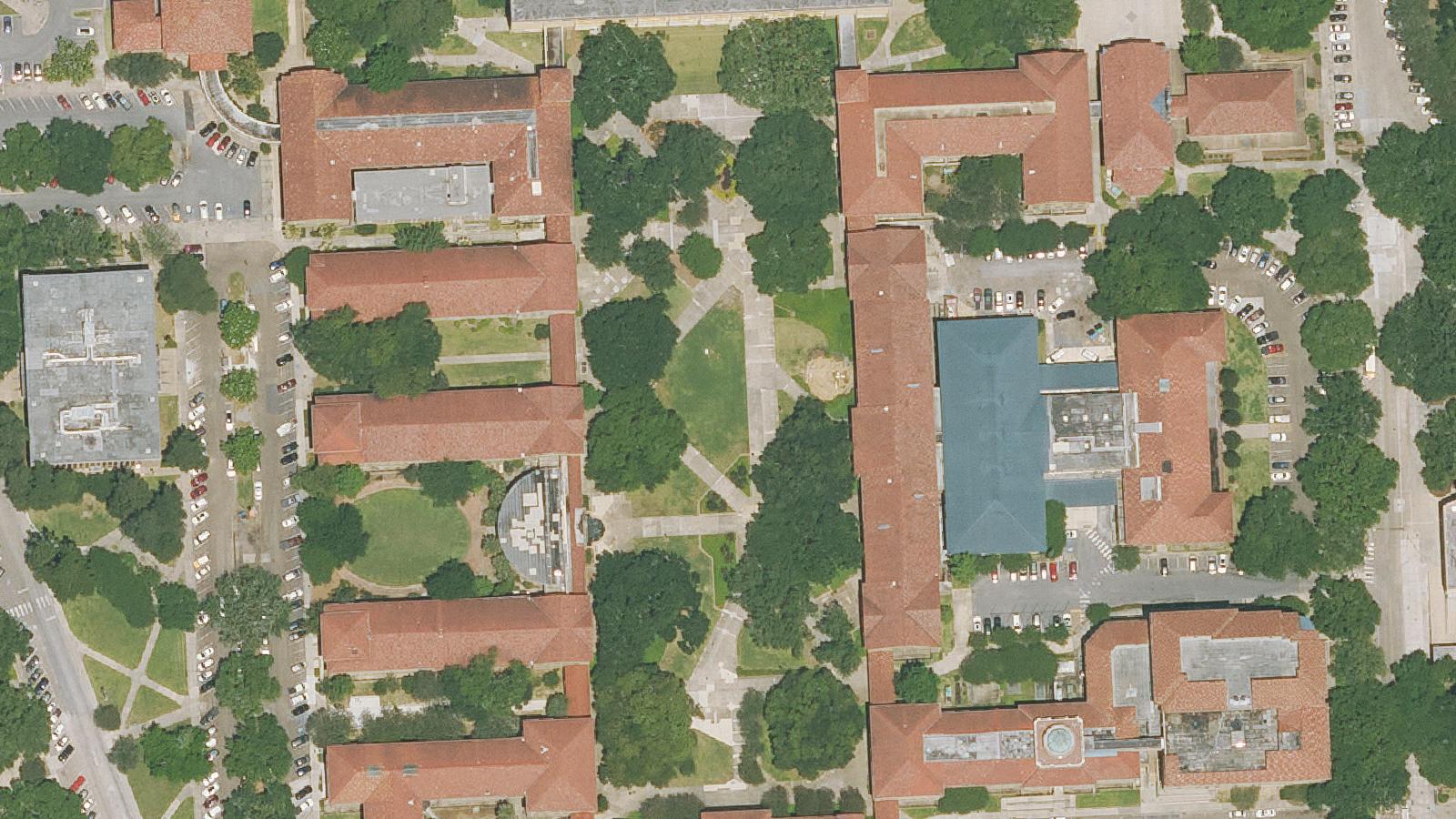
Friley Hall opened at Iowa State University in 1927 and grew through subsequent additions to become the largest residential facility on campus. Located near the center of ISU's grounds, it houses thousands of students each academic year across its interconnected wings and has been a fixture of campus life through generations of Iowa State students.
The building's age and scale — multi-wing, multi-decade construction, with basement corridors connecting sections built at different periods — created the architectural conditions that campus legend has long used to generate haunted-building narratives. Large institutional buildings with sealed or little-used sections are particularly prone to this kind of folklore accumulation.
A section of the basement known in campus lore as the 'Devil's Legion Room' is described in student accounts as sealed off from use, with the reason given varying between fire safety (no egress) and association with a student death. Iowa State Daily reporting has documented the Friley Hall basement legend as one of the more persistent campus ghost stories at ISU.
Sources
- https://iowastatedaily.com/50072/news/haunted-isu-tells-chilling-tales-of-the-universities-past/
- https://www.iowahauntedhouses.com/real-haunt/friley-hall--iowa-state-university.html
- https://frightfind.com/iowa-state-university/
- https://iowastartingline.com/local/culture/tales-that-prove-ames-is-the-most-haunted-town-in-iowa/
Shadow figure of a bearded man in a top hatCold emanations near sealed basement roomDisturbing dreams reported by students near the areaSealed basement room attributed to student death in campus lore
The paranormal legend associated with Friley Hall centers on a room in the building's basement. Campus lore identifies this space as sealed and unusable, with reasons ranging from the practical (no fire egress) to the supernatural. Student accounts circulating for years describe the room as the site of a past death, though this is not confirmed in any documented record.
The shadow figure reported in connection with the room is described with unusual specificity: a bearded man wearing a top hat, appearing as a partial or incomplete manifestation rather than a fully rendered apparition. Witnesses report that the figure is accompanied by a notable drop in temperature and that students who have slept in proximity to the basement area have described recurring disturbing dreams.
The Iowa State Daily documented the Friley Hall legend as part of its coverage of ISU campus haunting traditions. Frightfind.com corroborates the sealed-room account and notes the fire-safety explanation offered by housing staff. The specificity of the shadow figure's described appearance — a top hat, a partial form, a beard — is the detail that distinguishes this account from generalized campus ghost lore, though no historical figure has been identified who connects to those characteristics.