North Georgia Rural Church
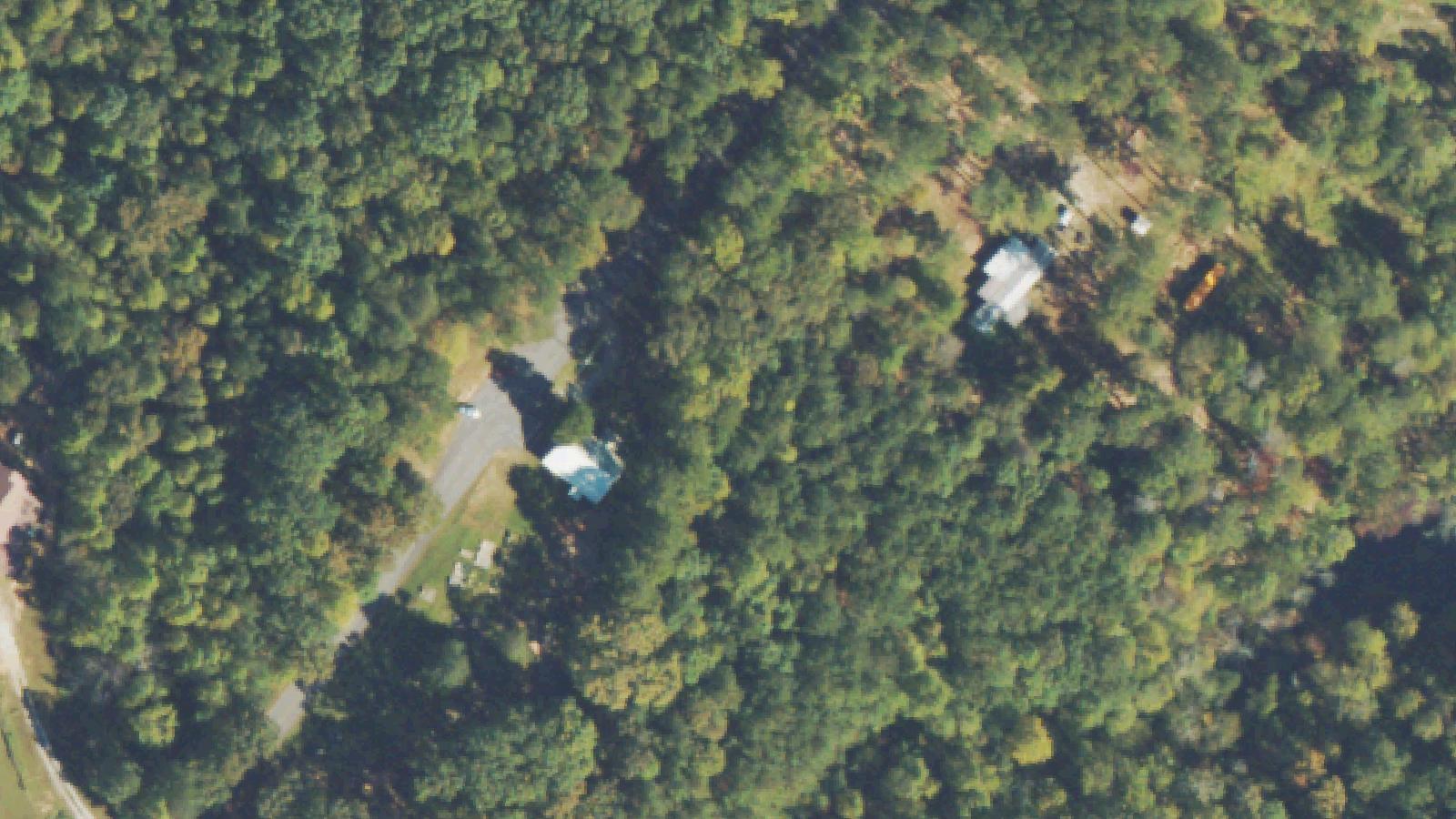
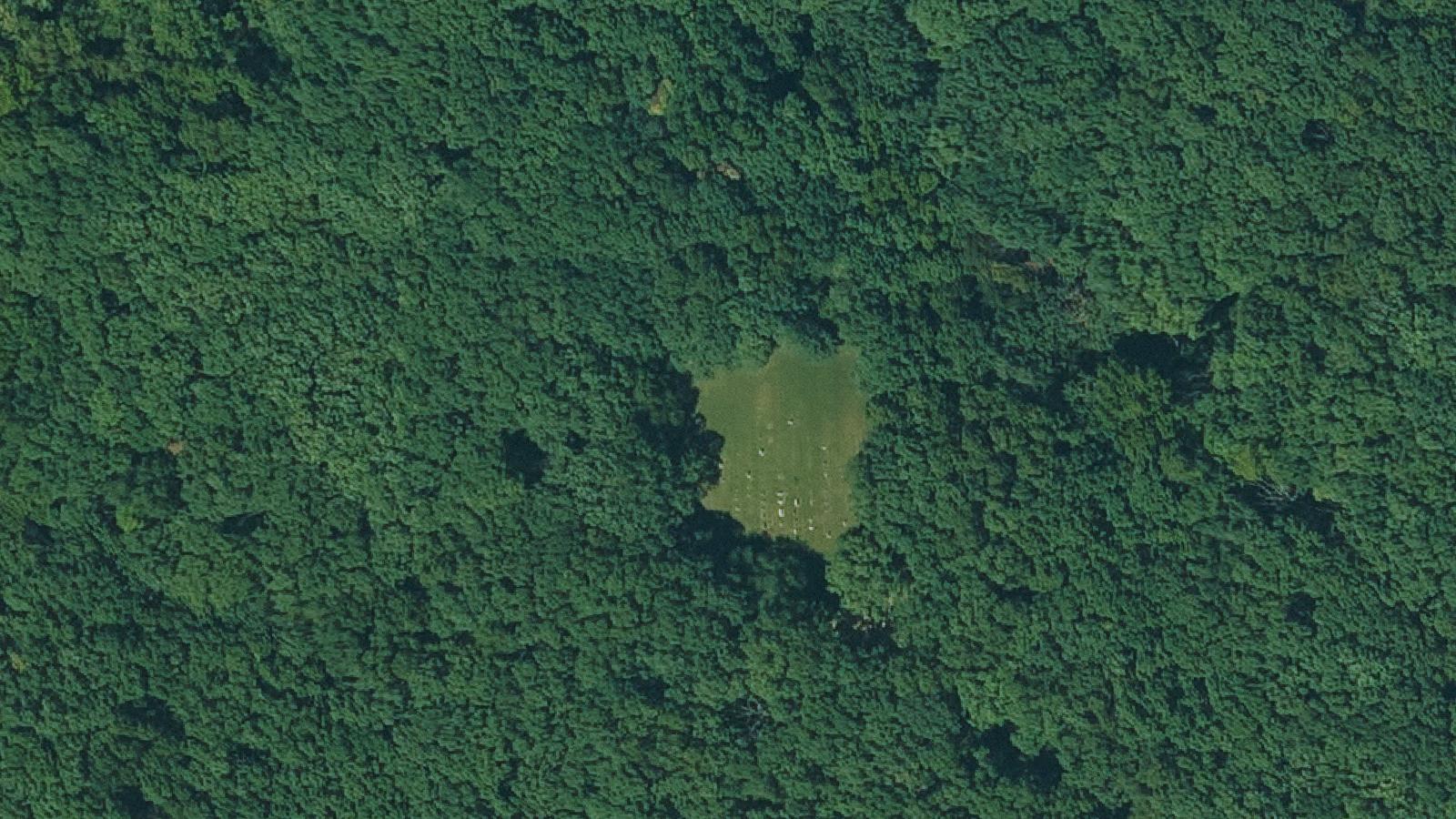
Salem Church and its associated graveyard sit on Salem Church Road, accessible from Kelly Bridge Road in rural Dawson County, Georgia, north of the town of Dawsonville. No National Register of Historic Places listing has been located for this specific church property in standard searches, and detailed documentary history of the congregation is not available through general web research.
The Hauntbound listing identifies the property as private and as the subject of nighttime law-enforcement patrol following recurring trespass incidents tied to the legend material. The original community submission itself warns prospective visitors not to enter the property without explicit permission from the church.
We do not narrate beliefs of the congregation that may use the property, and the listing is retained at the drive-by access level with explicit access restrictions noted.
Sources
- https://www.georgiahauntedhouses.com/halloween-attractions/dawsonville.html
- https://www.findagrave.com/cemetery/36816/salem-united-methodist-church-cemetery
- https://www.dawsonville-ga.gov/publicworks/page/cemetery
- https://georgiagenealogy.org/dawson/dawson-county-georgia-cemeteries.htm
ApparitionsEquipment malfunctionLights flickering
The folklore attached to Salem Church Road in regional Dawson County retellings describes vehicle electrical failures, including engines cutting out and headlights flickering, on the approach to the church property at night. A second strand of the same lore involves figures reportedly visible through the church windows after dark.
The original community submission emphasizes that the property is private and is police-patrolled at night, with explicit instructions that anyone wishing to investigate must obtain permission first. We treat that combination of access restriction and trespass enforcement as the primary practical fact about the site.
No independent paranormal investigation report substantiating the accounts has been located in regional newspaper or paranormal-investigation archives, and no specific named historical incident anchors the folklore. The accounts circulate primarily through 2000s-era community submissions and have not entered the more authoritative Georgia folklore literature.