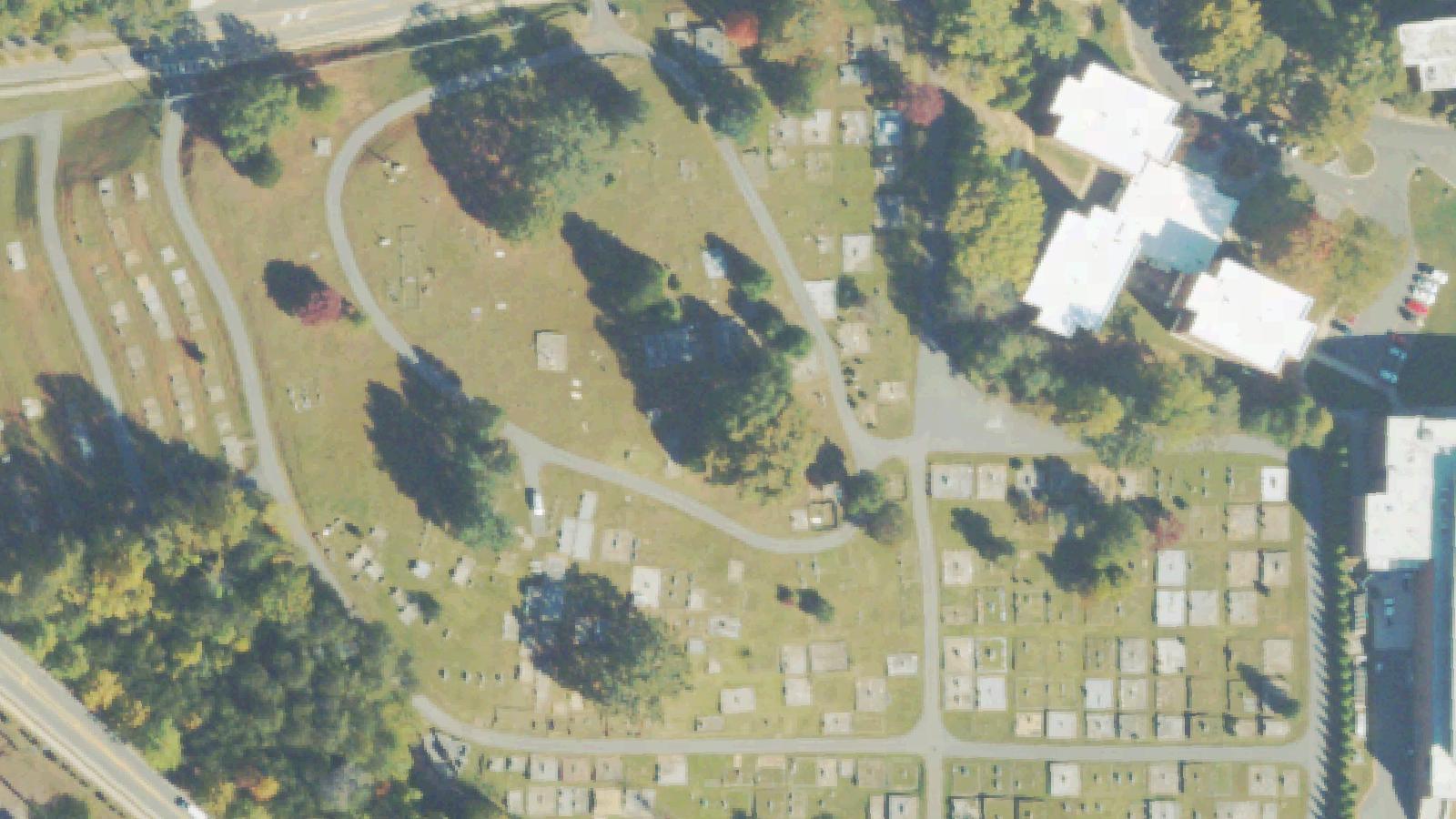
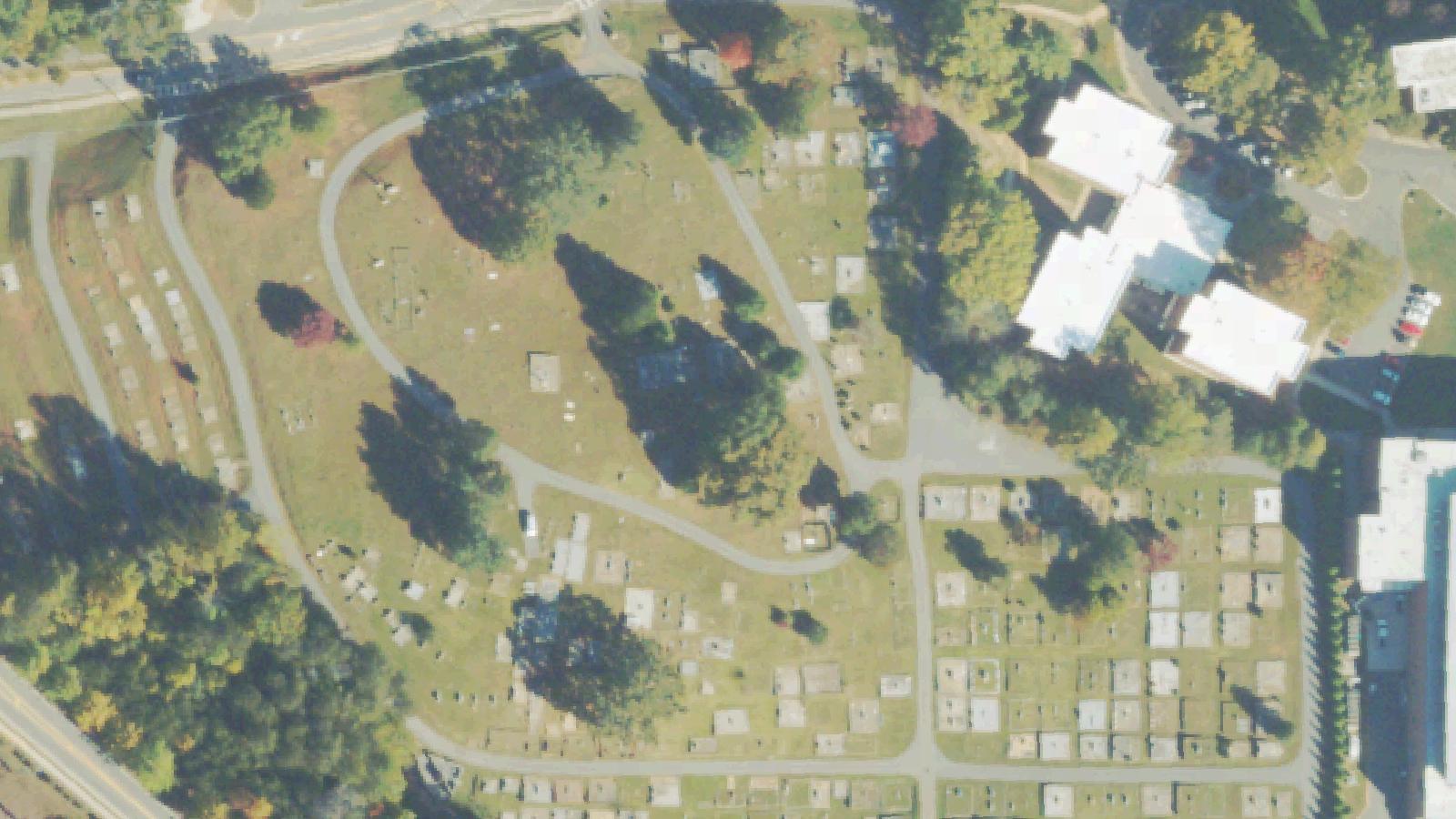
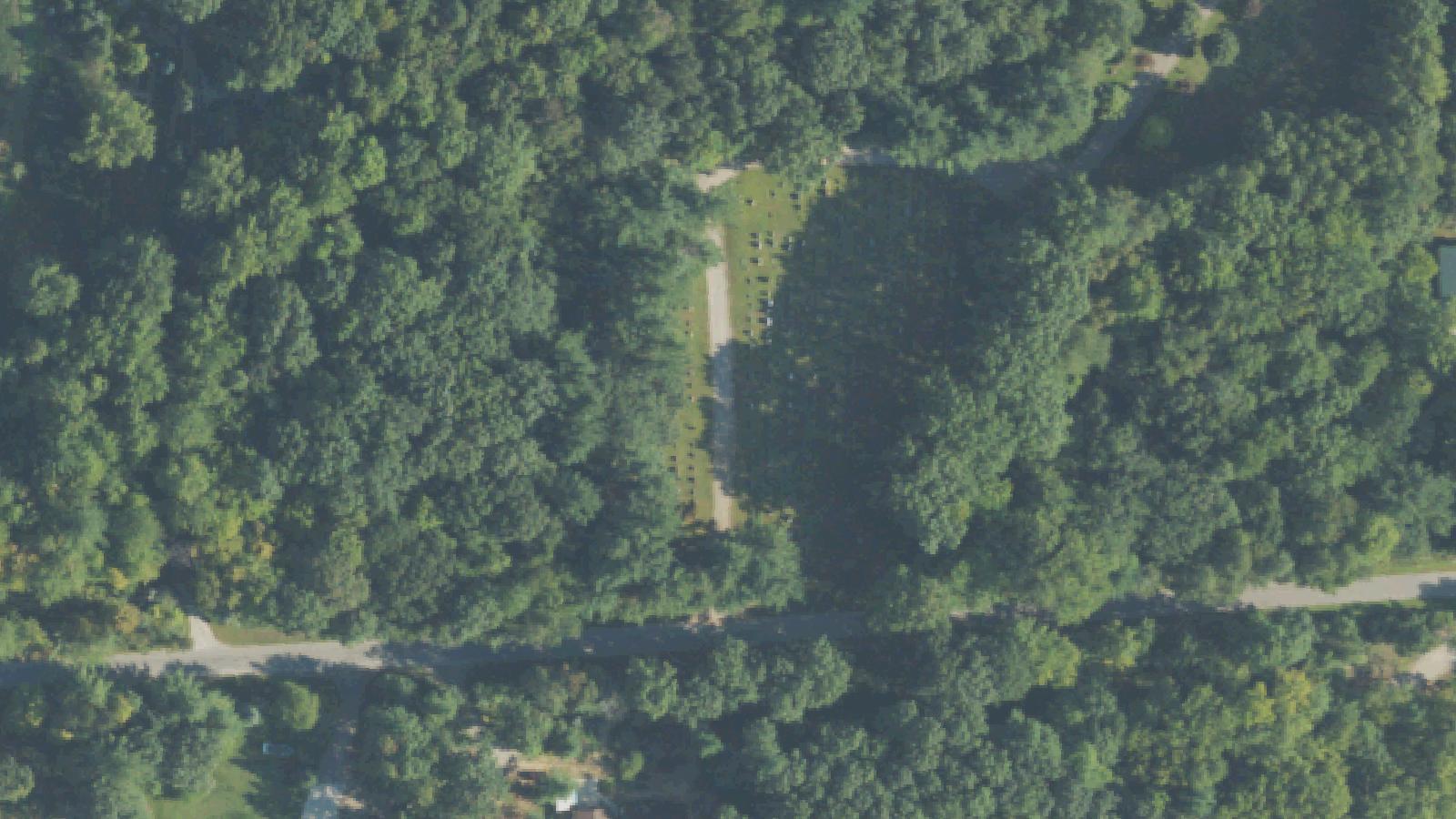
Est. 1833 · Georgia Gold Rush Era · Early Lumpkin County Settlement · Civil War Period Burials
Dahlonega's establishment as a town followed the first major gold rush in U.S. history, beginning in 1828–1829 in the north Georgia mountains. Lumpkin County was created in 1832, and the town of Dahlonega was designated as the county seat. The cemetery on Wimpy Mill Road dates to 1833 — among the earliest organized burial grounds in the county.
The landscape around Wimpy Mill Road lies outside the commercial downtown square area and retains more of the rural character of early Lumpkin County. The cemetery's graves span the mid-19th century, including the Civil War period, when the area saw troop movements and the displacement that accompanied the Confederate and Union campaigns through north Georgia in 1864.
The cemetery has been documented by Explore Georgia and by local history and ghost tourism writers as a recognized heritage site in the Dahlonega area. The Lumpkin County Historical Society and local historical documentation focus primarily on the downtown Mt. Hope Cemetery, making the Wimpy Mill Road property less formally documented in published records — which has contributed to its status as a site of ongoing oral tradition and informal investigation rather than organized heritage programming.
Sources
- https://paigemindsthegap.com/haunted-places-dahlonega-georgia/
- https://www.exploregeorgia.org/blog/ghost-sightings-in-dahlonega-georgia
- https://www.gainesvilletimes.com/life/life-top-stories/tourists-hunt-the-ghostly-haunts-of-dahlonega/
ApparitionsCivil War Soldier FiguresUnexplained Visual Phenomena
The most specific primary account associated with this cemetery belongs to Madeleine Anthony, who served as town librarian and photographed what she described as figures in Civil War-era uniforms in 1953. This pre-dates the wave of ghost tourism that came to Dahlonega decades later and represents an early, named-source documentation of the location's reputation. The photograph itself has not been located in publicly accessible archival collections in the research conducted here.
Recurring sightings described in the local ghost-tourism literature include a hooded female figure and children. A Gainesville-based paranormal society has added the cemetery to its formal investigation roster, characterizing the activity as residual in nature — meaning the accounts tend toward repetitive impressions rather than interactive apparitions.
Note: This property on Wimpy Mill Road is distinct from the downtown Mt. Hope Cemetery property (also in Dahlonega) that holds the Sam Darter burial and the slot-and-tab grave markers. The two should not be conflated.