Self-Guided Visit
Downtown Dalton Exterior Walk
View the Landmark Building's historic facade from Crawford Street. The structure's 1923 rebuild is visible in its street-level architecture.
- Duration:
- 20 min
HauntBound archive · catalog record
Reported phenomena, as catalogued
A Dalton landmark rebuilt after an 1911 fire, where a third-floor tragedy in the 1960s left staff reporting weeping sounds and lights that switch on by themselves.
101 E Crawford Street, Dalton, GA 30720
Research updated September 2026
Age
All Ages
Cost
Free
Building is not currently operating as a public hotel; exterior and lobby access may vary
Access
Accessibility not stated
Multi-story historic building; elevator access unknown for current occupancy
Equipment
Photos OK
Est. 1890 · 1890 original construction · 1911 fire and rebuilding · Hotel Dalton — 1923 reopening · Documented workplace tragedy, late 1960s
The building at 101 E Crawford Street has stood in one form or another since 1890, when it first rose as a commercial structure in downtown Dalton. A fire in 1911 gutted the original and its replacement, completed in 1923, reopened as Hotel Dalton — a name that stuck in local memory even as the building's uses shifted across the decades.
The haunting reputation traces to the late 1960s, when a young woman employed as a carhop died on the third floor under circumstances the community found deeply tragic. Employees who worked the building in subsequent years began reporting sounds — weeping from the upper floors, movement in locked rooms, lights activating in areas confirmed empty. Local ghost-tour operator Connie Hall-Scott, who documented the building's legend in her 2014 writing for Dalton Magazine and in her History Press book Haunted Dalton, Georgia, collected accounts from multiple staff members over years of research.
A 2020 feature in the Sunday Edition / Fetch Your News called the Landmark Building Dalton's most frequently cited haunted site, with specific references to lights switching on and off in the third-floor zone at night. Whether the building currently operates as a hotel or in another commercial capacity is not confirmed in recent sources.
Sources
The reported activity at the Landmark Building clusters on the third floor, where the 1960s tragedy occurred. Multiple employees have described hearing weeping in corridors where no one was present. Lights in the locked upper floors have been observed switching on from outside the building late at night, a detail corroborated across at least two independent local sources.
Connie Hall-Scott, who leads ghost tours in Dalton and wrote Haunted Dalton, Georgia for History Press, describes this building as home to what she calls the Weeping Girl — a figure associated with the third floor. Her documentation draws on staff interviews rather than paranormal investigation equipment, grounding the accounts in workplace testimony. The Landmark Building's reputation as Dalton's most haunted site is consistent across regional coverage from 2014 through 2020.
Notable Entities
Media Appearances
View the Landmark Building's historic facade from Crawford Street. The structure's 1923 rebuild is visible in its street-level architecture.
Some links on this page may earn HauntBound a small commission when you book, at no extra cost to you. Our editorial picks are independent. Full disclosure
Every HauntBound history is researched from documented sources. We clearly separate verified historical fact from paranormal folklore.
Free Guide
11 verified stops, rated for families, mapped in order. Free.
One email to confirm, then the guide link. Unsubscribe anytime.
Gainesville, GA
General James Longstreet, Robert E. Lee's second-in-command during the Civil War, opened the Piedmont Hotel in Gainesville in 1876 and operated it until his death in 1904. After the war, Longstreet moved to Gainesville, converted to Republicanism, and worked as a federal officer — choices that made him a controversial figure in the post-war South. The building now houses the Longstreet Society's museum.
Lubbock, TX
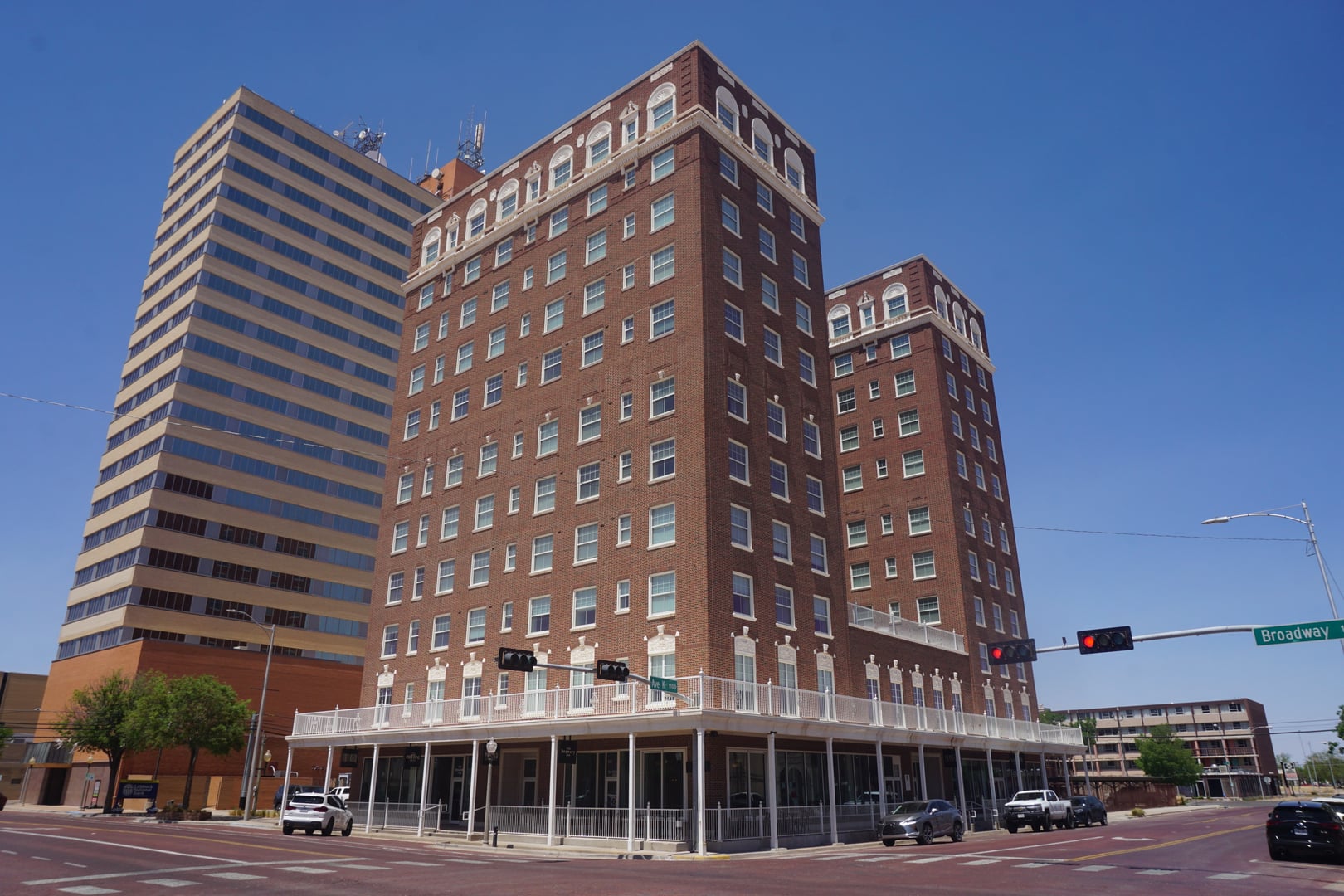
The 11-story Pioneer Building at 1200 Broadway in downtown Lubbock was constructed in 1925 and remains one of very few pre-World War II high-rises still standing in the city. The fourth floor acquired a grim reputation across the mid-20th century from a documented series of deaths, culminating in a 1958 double murder in which a Nebraska couple was found bound to their bed.
Boulder, CO
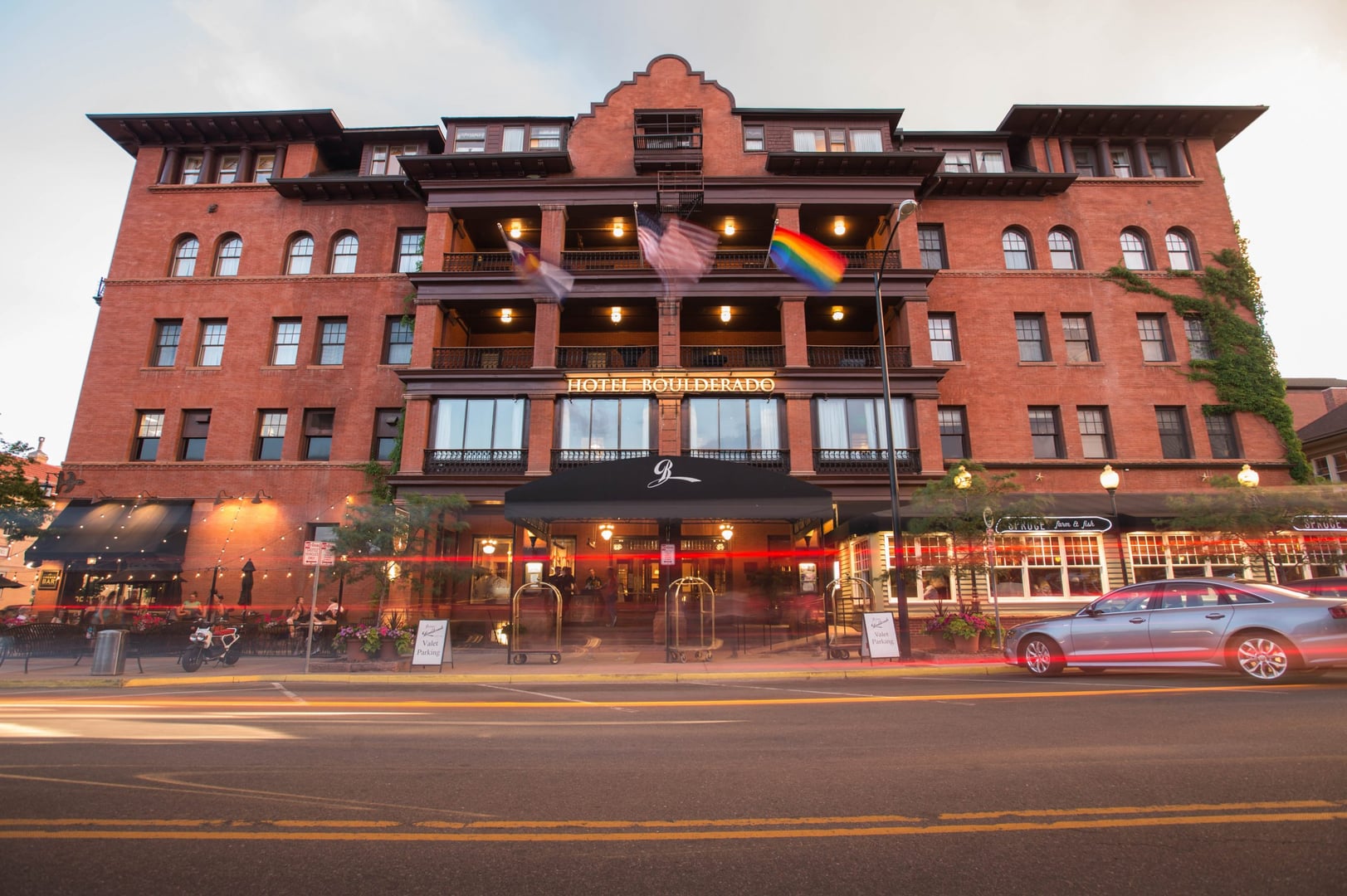
The Hotel Boulderado opened on January 1, 1909, after years of community fundraising. It is listed on the National Register of Historic Places and has been a centerpiece of downtown Boulder's social and commercial life for more than a century.