Atlanta Campaign Adjacent · Douglas County Folklore
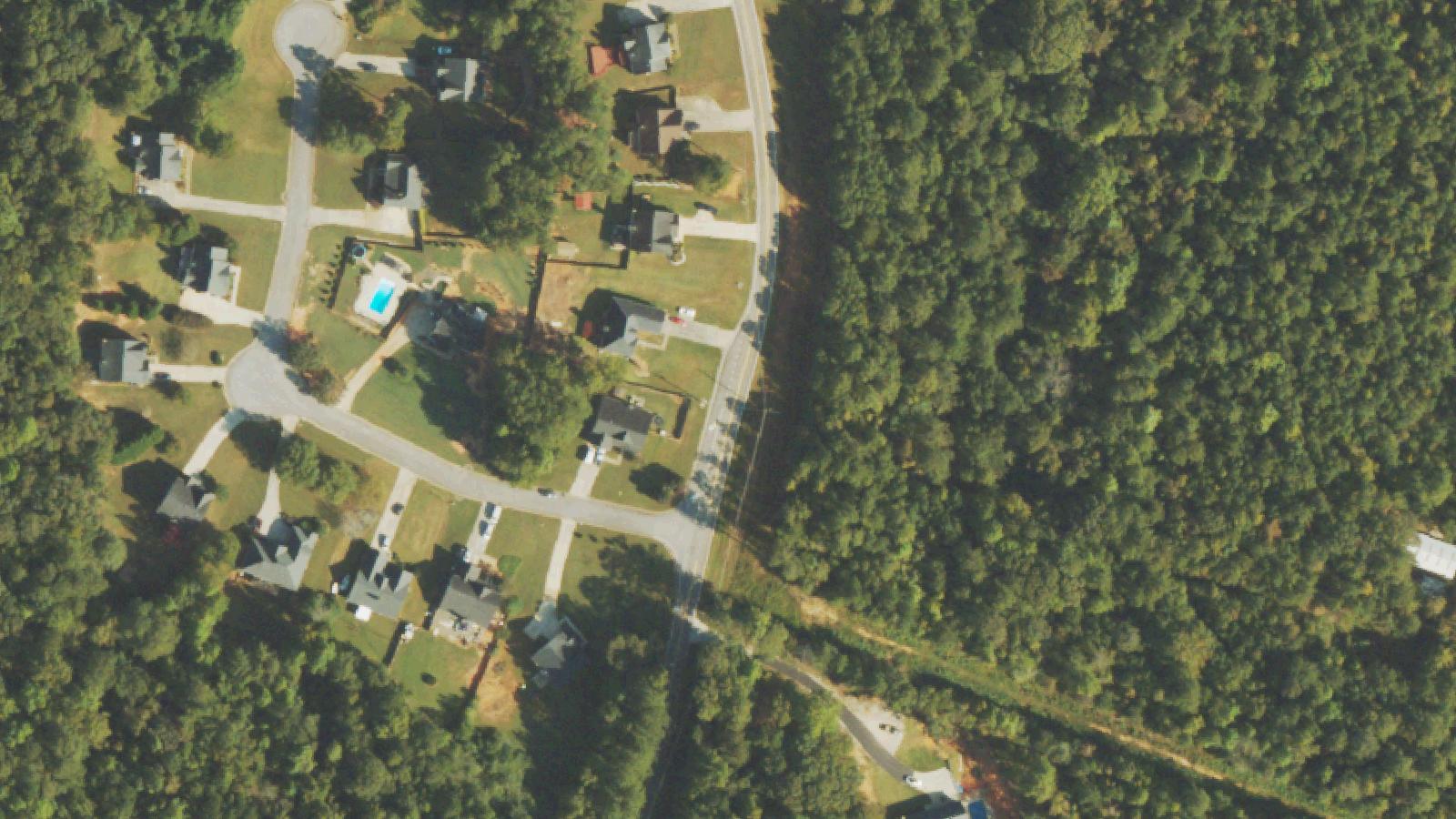
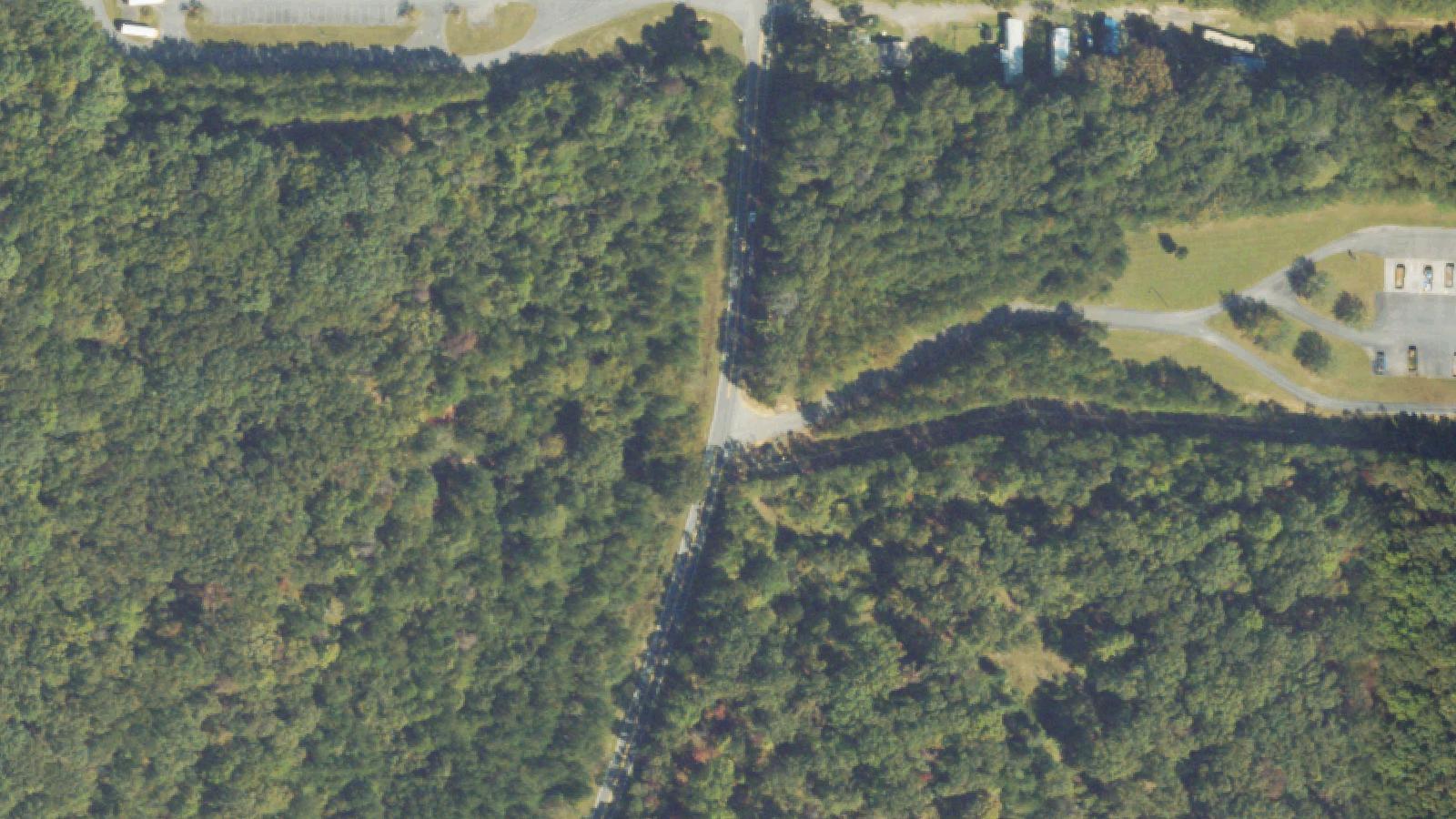
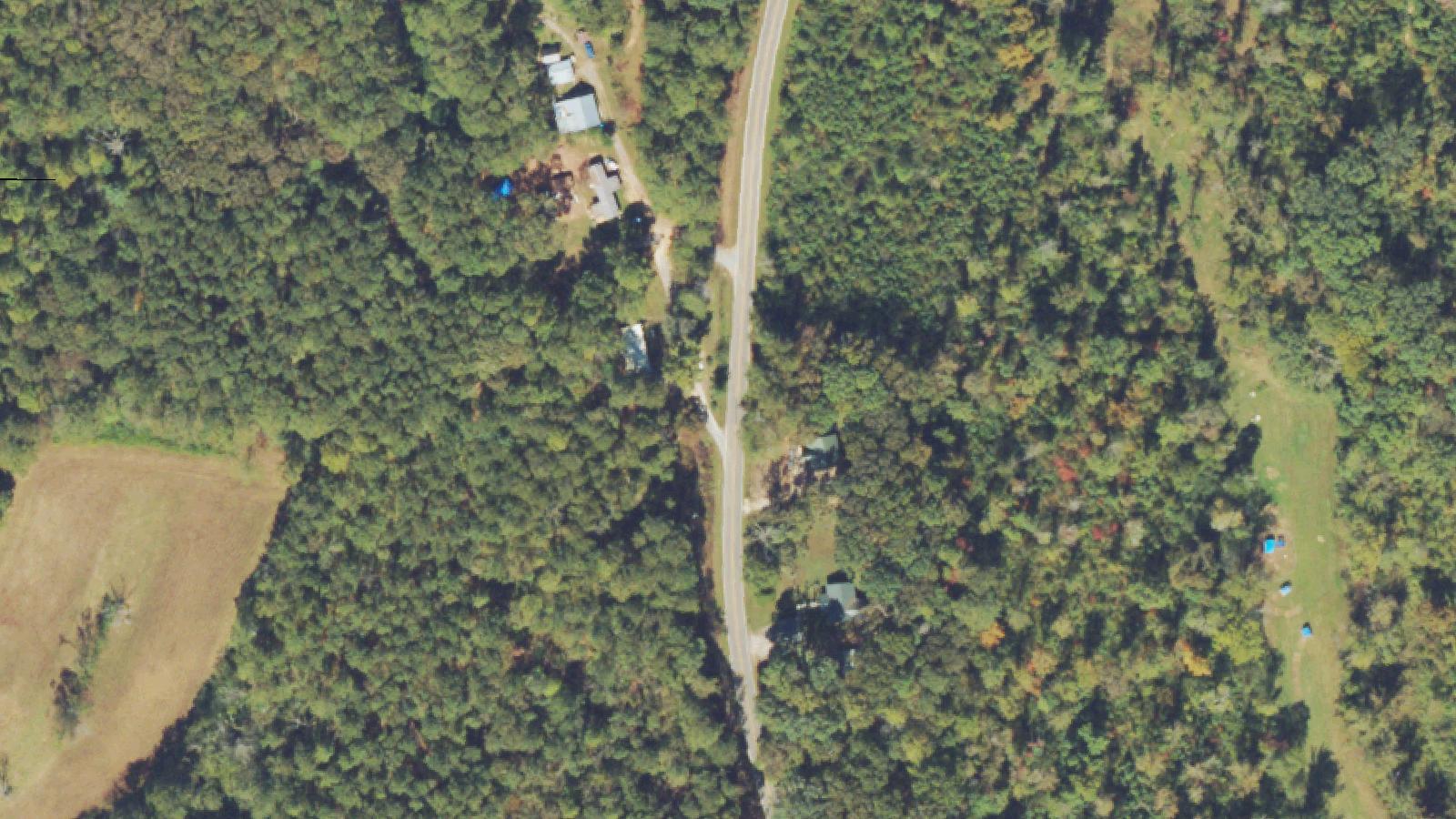
Gray Road runs through rural Douglas County, Georgia, west of Atlanta and northeast of Douglasville's town center. The road is approximately a mile and a half long and largely unimproved. An old barn stands in the woods along the route.
The folklore name attributes the road to a Civil War officer surnamed Gray. No documented officer of that name and a clear connection to this road appears in Civil War regimental records or Douglas County histories available through public sources. The naming may reflect older oral tradition that has lost its historical anchor.
Douglas County and the broader area west of Atlanta saw heavy Civil War activity during the 1864 Atlanta Campaign. The region's antebellum economy depended on enslaved agricultural labor, and the post-Civil War decades that followed Reconstruction were marked by widespread violence against Black residents across northern Georgia. Local folklore at Gray Road has folded this history into a ghost-story frame without specific documented incidents to anchor it.
A bridge referenced in earlier (pre-2005) accounts of the road no longer exists. The road continues to be traveled by curious visitors, primarily at night. The surrounding land outside the public roadway is private.
For context: a 2010s national survey of haunted roads ranked Gray Road forty-fourth on its list of most-feared American roads. The ranking reflects internet folklore traffic rather than any documented body of incident reports.
Sources
- https://patch.com/georgia/douglasville/our-history-the-social-network-along-sweetwater-creek
- https://patch.com/georgia/douglasville/our-history-yankees-sing-dixie-in-douglas_753dc667
- https://www.themoonlitroad.com/grey-house-georgia-haunted-house-story/
ApparitionsPhantom footstepsShadow figures
Local tradition holds that an officer named Colonel Gray rides a horse along the road at night and warns trespassers away from the old barn in the woods. Other elements of the legend describe figures of enslaved people seen walking the road after dark and visible through the barn's old window panes.
The most-replicated visitor experience involves a gravity-hill effect. Drivers who park along a particular section of the road, put the vehicle in neutral, and turn off their lights report the car rolling, sometimes feeling as though it is being rocked. The effect is inconsistent — some accounts describe trying five or six times before any motion — which is consistent with optical and gravitational illusions documented at gravity-hill sites elsewhere in the United States. Footstep sounds near the former bridge location and reports of an oval-shaped black shadow approaching cars are also part of the legend cycle.
The enslaved-figure imagery in the older Shadowlands narrative warrants particular care. Northern Georgia carries a documented history of slavery, post-Reconstruction violence, and racial terror that should be presented with archival distance rather than reframed as ghost-story atmosphere. Where local folklore intersects that history, the actual archival record — court records, lynching documentation by the Equal Justice Initiative, county histories — is the more responsible reading.
The bridge referenced in the older folklore is gone. Visit the road during daylight, stay on the public lane, and respect the private property on both sides.