Est. 1901 · National Register of Historic Places · Newton County Criminal Justice History · Covington Historic District · Film Location History
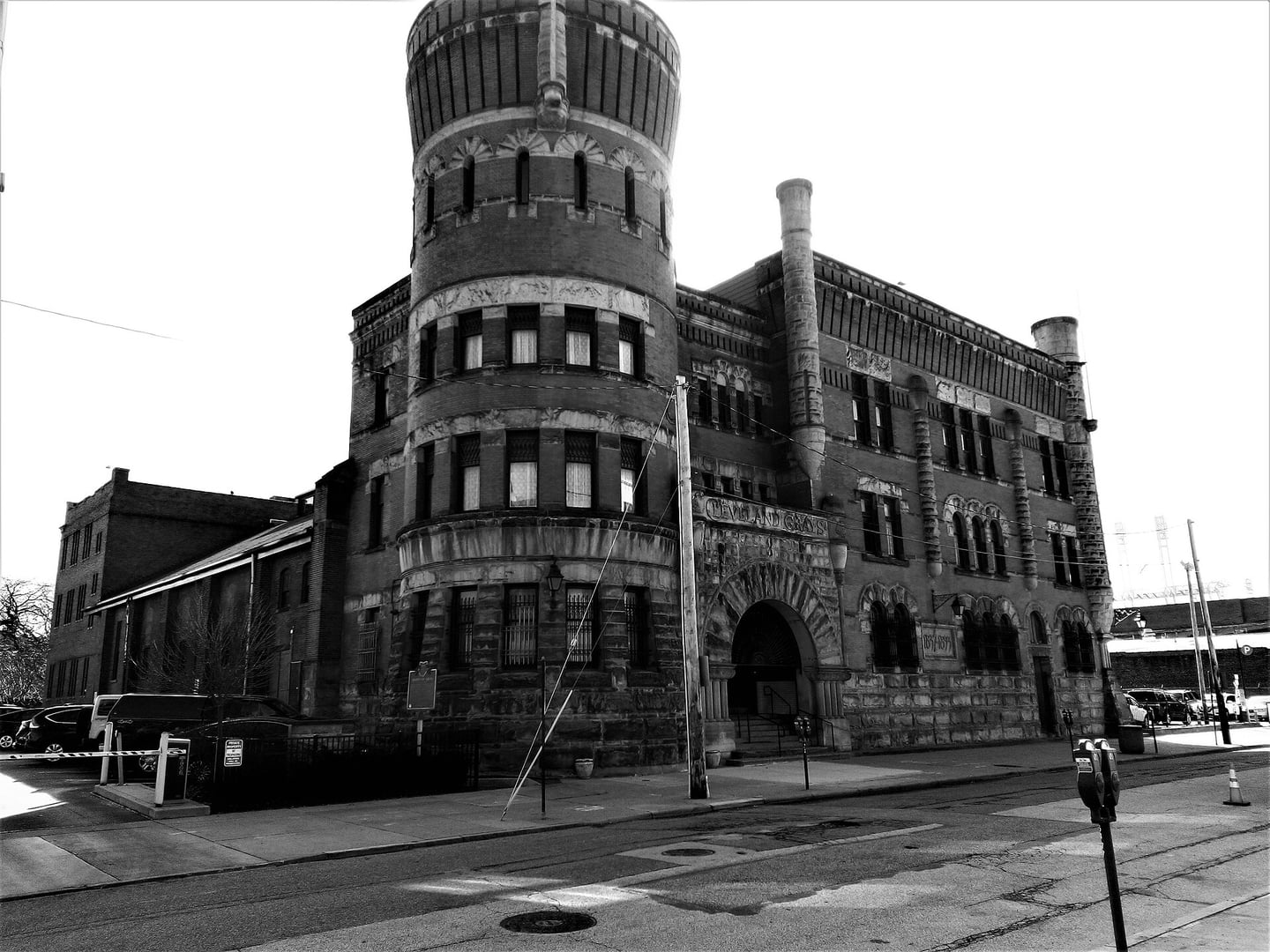
Newton County's 1901 jail was built by the Pauly Jail Building & Manufacturing Co., a St. Louis firm that constructed county jails across the South and Midwest. The property at 1127 Clark Street was created by combining the former graveyard site and part of a parcel belonging to Mrs. N. A. Stallings, deeded to the county specifically for the new facility.
For 82 years, the jail held Newton County criminals within sight of the county courthouse. At times its population far exceeded design capacity — cells built for roughly 20 inmates sometimes held 50. At least one execution by hanging took place in the building. According to jail records reported by the Covington News, the hanging was sufficiently traumatic that the sitting sheriff took a two-week leave immediately afterward and prohibited future executions on the premises.
After the jail closed in 1983, the Newton County Sheriff's Office occupied the building for the Criminal Investigations Division. The structure is listed on the National Register of Historic Places and sits within the Covington Historic District. The area's distinctive 19th-century square earned Covington the informal title 'Little Hollywood' for its popularity with film and television productions, including In the Heat of the Night.
In 2017, Newton County announced plans to restore the building as a history center and museum.
Sources
- https://www.covnews.com/news/phantom-folklore-souls-locked-inside-the-old-jail/
- https://www.hmdb.org/m.asp?m=197763
- https://en.wikipedia.org/wiki/National_Register_of_Historic_Places_listings_in_Newton_County,_Georgia
ApparitionsObject movementPhantom soundsSelf-operating electronics
The jail's paranormal reputation developed primarily from accounts given by law enforcement officers who worked in the building after its conversion to the Criminal Investigations Division. These were not ghost hunters but investigators and sheriff's deputies who occupied the space daily.
Captain Marty Roberts of the NCSO described the atmosphere as one where 'the hairs on the back of your neck would certainly stand up.' Officers reported a consistent pattern: sounds of movement and footsteps when they were alone in the building; objects relocated from one room to another overnight; televisions turning on and changing channels; and the sounds of toilets flushing when the bathrooms were unoccupied.
The most distinctive single account involved a law enforcement officer who reported seeing a translucent figure near the former gallows area — the same spot, consistently, where other officers reported the most frequent disturbances. The connection between the gallows area and the paranormal activity was noted in the Covington News coverage.
The hanging that took place in the building is documented in county records. Prisoners who died in custody — some of them in the overcrowded cells — are cited by paranormal researchers as contributing to the building's reputation. The Covington Ghost Tour, which operates year-round on Fridays and Saturdays, uses the jail as a primary stop on its 90-minute walking route through the historic square.
Where this legend is told